









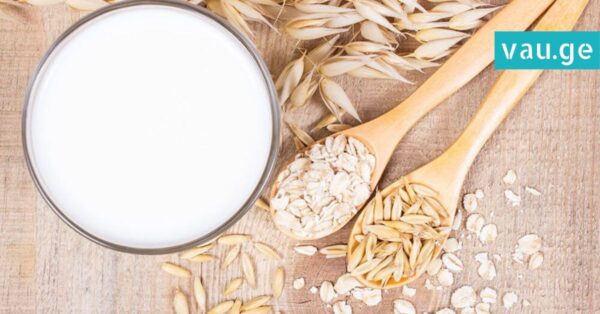
Making healthy and nutritious oat milk at home is not only simple and quick but also highly beneficial for your body. Homemade oat milk has increasingly become a popular alternative to store-bought milk due to its natural ingredients, lack of preservatives, and superior nutritional profile. Oats themselves are a powerhouse of nutrients, providing vitamins, minerals, and essential macronutrients that support overall health. By preparing oat milk at home, you ensure a fresh, wholesome beverage free from added sugars, artificial flavors, and stabilizers commonly found in commercial options.
Nutritional Profile of Oats
Oats are exceptionally rich in nutrients that the body needs for optimal functioning. They contain a substantial amount of proteins, healthy fats, and complex carbohydrates, making them a well-balanced source of energy. In addition to macronutrients, oats are abundant in vitamins essential for numerous metabolic and physiological processes. These include:
B Vitamins: B1 (thiamine), B2 (riboflavin), B4 (adenine), B5 (pantothenic acid), B6 (pyridoxine), B9 (folic acid)
Vitamin E: A powerful antioxidant that protects cells from oxidative stress
Vitamin H (biotin): Important for healthy hair, skin, and nails
Oats are also a significant source of minerals such as potassium, calcium, magnesium, iron, zinc, and manganese. These minerals play vital roles in maintaining cardiovascular health, strengthening bones, supporting enzymatic functions, and enhancing the immune system. Consuming oats in the form of oat milk makes these nutrients more bioavailable and easier for the body to digest, especially for those who are lactose intolerant or prefer plant-based alternatives to dairy.
Health Benefits of Oat Milk
Oat milk offers a wide range of benefits for the body, thanks to its unique composition of vitamins, minerals, and fiber. Here are some of the key advantages:
Supports Digestive Health: Oat milk is particularly beneficial for individuals who experience gastritis, constipation, or other digestive issues. The soluble fiber in oats helps regulate bowel movements and supports a healthy gut microbiome.
Reduces Cholesterol Levels: Regular consumption of oat milk has been shown to help reduce LDL cholesterol, the so-called “bad cholesterol,” which is associated with an increased risk of cardiovascular diseases. By lowering cholesterol, oat milk contributes to heart health and improves blood circulation.
Enhances Metabolism: The combination of vitamins and minerals in oat milk helps regulate metabolism, promoting the efficient breakdown of proteins, fats, and carbohydrates. This makes it an excellent choice for individuals looking to support healthy weight management and energy production.
Eliminates Excess Fluids: Oat milk has mild diuretic properties, which can help the body eliminate excess water and reduce bloating. This contributes to a sense of lightness and can support kidney function.
Supports Liver and Kidney Health: The nutrients in oat milk help protect the liver and kidneys by reducing oxidative stress and supporting detoxification processes. Regular consumption may aid in maintaining these vital organs in good condition.
Improves Skin Health: Thanks to the vitamins, antioxidants, and fatty acids in oats, oat milk contributes to healthier, smoother skin. Its properties help maintain skin elasticity, reduce inflammation, and protect against free radical damage, resulting in a more radiant complexion.
How to Make Oat Milk at Home
Preparing oat milk at home is straightforward, requiring only two main ingredients: oats and water. The following method ensures maximum nutritional benefit while preserving the natural flavor and texture of the milk.
Ingredients:
150 grams of oats
1.5 liters of warm water (preferably boiled and cooled)
Instructions:
Place the oats in a bowl and pour the warm water over them. Allow the oats to soak for approximately 30 minutes. Soaking softens the oats, making them easier to blend and increasing nutrient availability.
After soaking, blend the oats and water together until smooth. A high-speed blender will ensure a creamy texture.
Strain the mixture through a fine sieve, cheesecloth, or nut milk bag to remove the pulp. This step results in smooth, silky oat milk that is ready to drink. The leftover pulp can be used in baking, smoothies, or as a fiber-rich addition to other recipes, reducing waste and increasing nutritional value.
For maximum benefits, consume the oat milk immediately after preparation. If storing in the refrigerator, it can be kept for 3–5 days. Shake well before each use, as natural separation may occur.
Additional Tips for Enhanced Benefits:
Flavoring: While oat milk has a naturally mild and slightly sweet taste, you can enhance its flavor by adding natural ingredients such as cinnamon, vanilla extract, or a small amount of honey. Avoid artificial sweeteners, which may reduce its health benefits.
Nutritional Boost: For added nutrients, consider blending in other plant-based ingredients such as almonds, cashews, or seeds. These additions increase protein content, healthy fats, and minerals.
Daily Consumption: Incorporating oat milk into your daily routine—whether in smoothies, coffee, or cereals—can provide long-term benefits for digestion, heart health, metabolism, and overall vitality.
Why Homemade Oat Milk Is Superior to Store-Bought Options
Unlike commercial oat milk, which often contains added sugars, preservatives, and stabilizers, homemade oat milk is fresh, wholesome, and entirely under your control. You can adjust the thickness and sweetness to your preference, ensuring a product that is both delicious and nutritious. Additionally, homemade oat milk preserves more of the original nutrients from the oats, particularly B vitamins and minerals, which can be diminished during industrial processing.
Conclusion
Homemade oat milk is a simple, affordable, and highly nutritious alternative to dairy or store-bought plant-based milk. Its combination of vitamins, minerals, fiber, and antioxidants supports digestive health, cardiovascular function, metabolism, kidney and liver health, and skin vitality. Preparing oat milk at home ensures a fresh, preservative-free product that can be tailored to your taste and nutritional needs. By incorporating this healthy beverage into your daily routine, you can enjoy its many benefits while contributing to a balanced, wholesome diet.
With its ease of preparation and wide-ranging health benefits, oat milk is more than just a beverage—it is a natural, everyday supplement that enhances overall wellness, energy, and vitality. Whether consumed on its own, in recipes, or as part of breakfast, homemade oat milk is an excellent choice for anyone seeking a healthier, plant-based alternative to conventional milk.