















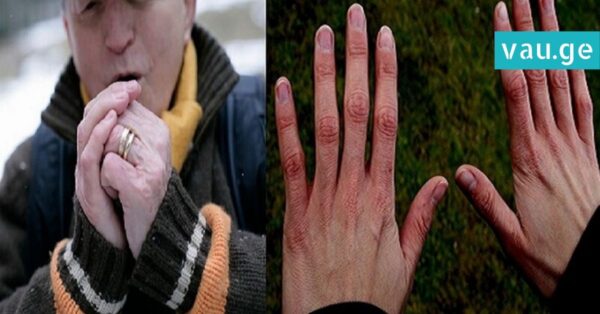
When winter arrives, many people experience cold, rough, and sometimes even numb hands. This is a natural physiological response: the body prioritizes supplying warmth and blood to vital organs such as the heart, lungs, and brain. As a result, the extremities, including hands and feet, often receive less blood and become cold. While cold hands are sometimes just a minor inconvenience, frequent or chronic coldness can indicate underlying health issues that should not be ignored.
1. Anemia
One of the most common causes of cold hands is anemia. Anemia occurs when the number of red blood cells (erythrocytes) or the amount of hemoglobin in the blood is lower than normal. Hemoglobin is responsible for carrying oxygen from the lungs to the rest of the body. Without sufficient hemoglobin, tissues—including those in the hands—receive less oxygen and warmth, causing them to feel cold.
Symptoms of anemia may also include fatigue, weakness, pale skin, dizziness, and shortness of breath. People with anemia often notice that their hands and feet feel unusually cold, even in warm environments. This condition can be caused by iron deficiency, vitamin B12 deficiency, chronic illness, or blood loss.
2. Poor Blood Circulation
Cold hands are frequently associated with circulatory issues. Proper blood circulation is essential for transporting oxygen and nutrients throughout the body. If circulation is impaired, blood flow to the extremities is reduced, leading to cold hands and feet.
Conditions that can affect circulation include peripheral artery disease, atherosclerosis, diabetes, and heart problems. Poor circulation not only causes cold hands but can also lead to numbness, tingling, or even skin discoloration. People with circulation problems may notice that their fingers turn blue or purple when exposed to cold.
3. Low Blood Pressure (Hypotension)
Low arterial blood pressure can also cause frequent cold hands. When blood pressure is low, blood flow to the extremities is insufficient, which results in hands and sometimes feet feeling cold.
In addition to cold hands, low blood pressure can cause chronic fatigue, blurred vision, dizziness, and even fainting. Individuals with hypotension may experience difficulty concentrating, lack of energy, and a general feeling of weakness. Ensuring adequate hydration, salt intake, and monitoring blood pressure regularly can help manage these symptoms.
4. Vitamin B12 Deficiency
Vitamin B12 deficiency is another less obvious but important cause of cold hands. This vitamin is crucial for red blood cell production and nerve health. A deficiency can lead to anemia, which, as mentioned above, reduces oxygen delivery to tissues and causes cold extremities.
Vitamin B12 deficiency is particularly common among vegetarians and vegans, as B12 is primarily found in animal products such as meat, fish, eggs, and dairy. Symptoms of B12 deficiency may include tingling in the hands and feet, fatigue, memory problems, and pale or jaundiced skin. Supplementation or dietary adjustment can significantly improve circulation and reduce cold hands.
5. Smoking
Nicotine, a key component of cigarettes, has a strong effect on blood circulation. It constricts blood vessels, which reduces blood flow to the extremities. As a result, smokers are more likely to experience chronically cold hands.
In addition to cold hands, smoking increases the risk of cardiovascular disease, reduces oxygen levels in the blood, and can exacerbate circulatory problems. Quitting smoking or significantly reducing tobacco use is one of the most effective ways to improve circulation and warmth in the hands.
6. Stress and Anxiety
Stress is widely known to negatively affect the body in many ways, including causing cold hands. When a person experiences stress, the body releases stress hormones such as adrenaline and cortisol. These hormones trigger the “fight or flight” response, which directs blood flow away from the extremities and toward vital organs in preparation for perceived danger.
Chronic stress can therefore lead to persistent cold hands and feet. People under constant stress may also notice other symptoms, including rapid heartbeat, muscle tension, headaches, digestive issues, and sleep disturbances. Practicing stress management techniques such as deep breathing, meditation, yoga, and regular physical activity can improve circulation to the hands and reduce chronic coldness.
7. Hypothyroidism
An underactive thyroid gland (hypothyroidism) slows metabolism and can reduce the body’s ability to generate heat. This often results in cold hands and feet, along with fatigue, dry skin, hair loss, and weight gain. The thyroid plays a critical role in regulating energy levels, metabolism, and circulation, so thyroid imbalances can significantly affect body temperature regulation.
8. Raynaud’s Phenomenon
Raynaud’s phenomenon is a condition in which blood vessels in the fingers and toes overreact to cold or stress. This leads to episodes of vasospasm, which temporarily reduces blood flow and causes the extremities to turn white, blue, or purple. During an episode, affected fingers or toes may feel cold, numb, or painful. Raynaud’s can be primary (without a known cause) or secondary, often associated with autoimmune diseases such as scleroderma or lupus.
9. Diabetes
Diabetes can affect circulation and nerve function, particularly in the extremities. Peripheral neuropathy, a common complication of diabetes, can reduce sensation and make hands feel cold. Additionally, poor blood sugar control may contribute to vascular problems, further decreasing blood flow to the fingers and hands.
10. Lifestyle Factors
Other lifestyle factors can contribute to chronically cold hands, including:
Sedentary behavior: Lack of regular physical activity can reduce circulation and lead to cold hands.
Dietary deficiencies: Insufficient iron, omega-3 fatty acids, or protein intake can affect blood flow and temperature regulation.
Dehydration: Low water intake can reduce blood volume and circulation efficiency.
Tips for Preventing Cold Hands
Stay Active: Regular exercise improves circulation and helps warm the extremities.
Dress Appropriately: Wear gloves, warm clothing, and layers during cold weather.
Improve Diet: Include iron-rich foods, vitamin B12, omega-3s, and plenty of water.
Manage Stress: Use relaxation techniques to reduce chronic stress.
Quit Smoking: Reducing nicotine intake improves blood flow and overall health.
Monitor Health Conditions: Keep track of blood pressure, thyroid function, and blood sugar levels.
Conclusion
Cold hands are not always just a minor discomfort—they can be a signal that something in your body is off balance. Causes range from anemia and poor circulation to vitamin deficiencies, stress, smoking, hypothyroidism, and chronic conditions such as Raynaud’s or diabetes. By understanding the underlying reasons for cold hands, taking preventive measures, and making lifestyle adjustments, you can improve circulation, maintain warmth in your extremities, and support overall health.
Pay attention to how your hands feel, especially in cold weather, and don’t ignore persistent symptoms. Early detection and proper management of underlying conditions can prevent complications and help you feel healthier, warmer, and more comfortable every day.








































