














What Your Face Is Telling You: Hidden Health Warnings You Shouldn’t Ignore
Your face is more than just a reflection in the mirror—it can actually be a map of your internal health. According to experts, certain changes or marks on your face can indicate underlying health conditions, some of which could be serious if left untreated.
If you’ve ever noticed dark circles under your eyes, cracked lips, flushed cheeks, or breakouts on your chin, these could be warning signs from your body. Dietitian Fiona Tak explains what these signs might mean and when you should consider consulting a doctor.
Why Your Face Reflects Your Health
Traditional medicine has long believed that the face can reveal imbalances in the body. Modern research supports this idea, showing that poor nutrition, hormonal imbalances, dehydration, and chronic illnesses often manifest through visible changes on the skin.
Let’s explore the most common facial health signals and what they mean for your well-being.
1. Dark Circles Under the Eyes
Dark circles are one of the most noticeable facial signs, and they’re often associated with lack of sleep. However, that’s not the only cause.
What Do Dark Circles Indicate?
Dehydration: Not drinking enough water can lead to poor circulation and darker under-eye areas.
Poor Diet: Deficiency in iron, vitamins, or antioxidants can contribute to this issue.
Stress and Sleep Problems: Chronic stress and lack of quality sleep are major contributors.
Toxin Build-Up: According to Fiona Tak, dark circles can signal that your body is overloaded with toxins and needs detoxification.
Pro Tip: Make sure to drink plenty of water and eat detoxifying foods.
Other Colors and What They Mean
Blue-Black Eyelids: Could indicate autoimmune disorders.
Yellowish-Brown Circles: May suggest liver or gallbladder issues.
Dark Brown Rings: Linked to metabolic disorders.
Swollen Bags Under the Eyes: Could signal high blood pressure or kidney issues.
Recommended Diet for Dark Circles:
Fresh carrot juice, beetroot juice, and celery juice
Potassium-rich fruits like bananas and avocados
Leafy greens and cold-pressed oils such as flaxseed oil
2. Cracked or Dry Lips
Everyone experiences chapped lips in winter, but if your lips are chronically dry and cracked, it might be a sign of a nutrient deficiency.
Possible Causes
Lack of Vitamin B complex
Deficiency in iron or zinc
Severe dehydration
What to Do
Drink plenty of water
Include fermented foods, lean meats, whole grains, and fatty fish in your diet
Use a natural lip balm to protect the lips from further drying
3. Red or Flushed Cheeks
Red cheeks are often considered a sign of health and vitality, but if your cheeks are constantly flushed or show broken capillaries, it could mean something else.
Potential Health Indicators
Asthma or other respiratory issues
Sinus infections or shallow breathing problems
Hormonal imbalances, especially during menopause
What Helps
Consume more Vitamin C and A
Add chia seeds, coconut oil, fish oil, pineapple, apples, and carrots to your diet
Reduce caffeine and processed foods
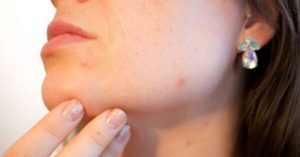
4. Acne on the Chin
Chin breakouts are strongly linked to hormonal imbalances. If you frequently experience acne on your chin, it may indicate:
Polycystic Ovary Syndrome (PCOS) in women
Hormonal fluctuations during menstruation
Dietary Recommendations
Eat more fatty fish like salmon and mackerel
Include pumpkin seeds, chia seeds, and fiber-rich vegetables like broccoli
Drink filtered water to avoid toxins
Add magnesium-rich foods to balance hormones
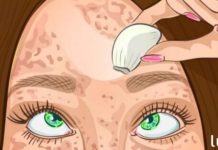
5. Cracked or Wrinkled Forehead
A dry, cracked, or overly wrinkled forehead might not just be an age issue—it can indicate digestive problems or food intolerances.
What It Means
Poor gut health
Lack of dietary fiber
Intolerance to certain foods like gluten or dairy
How to Fix It
Drink filtered water
Eat more fiber-rich foods like whole grains, beans, and vegetables
Include probiotics to support gut health
Face Mapping: The Traditional Approach
In holistic medicine, the face is often divided into zones that correspond to different organs:
Forehead → Digestive system
Cheeks → Lungs and respiratory system
Chin → Reproductive organs and hormones
Eye area → Kidneys and liver
When these zones show discoloration, swelling, or breakouts, it may be a sign that the related organ needs attention.
When to See a Doctor
If these signs persist for weeks or are accompanied by other symptoms like fatigue, weight changes, or chronic pain, consult a healthcare professional. Sometimes these indicators are early warnings of serious conditions, including:
Autoimmune disorders
Hormonal syndromes
High blood pressure
Liver or kidney disease
Practical Tips for a Healthy Face (and Body!)
Stay Hydrated – Drink at least 8 glasses of water daily
Eat a Balanced Diet – Include fresh fruits, vegetables, lean proteins, and healthy fats
Manage Stress – Practice meditation or deep breathing
Get Enough Sleep – Aim for 7–8 hours per night
Limit Processed Foods – Avoid excessive sugar and refined carbs
Exercise Regularly – Improves circulation and skin health
Final Thoughts
Your face is a natural health indicator, reflecting what’s happening inside your body. Paying attention to these subtle changes can help you detect problems early and make the necessary lifestyle adjustments.
Remember: A healthy diet, proper hydration, and regular checkups are your best tools for maintaining both inner health and outer beauty.