













Essential oils have fascinated humanity for centuries due to their powerful aromas, therapeutic properties, and wide range of uses in skincare, health, and emotional well-being. These concentrated plant extracts are often described as the “soul” or “essence” of a plant, as they contain its most active biological compounds. However, despite their natural origin and long history of use, essential oils are not universally safe when used incorrectly. Understanding their uniqueness, proper selection, and correct application is crucial to gaining their benefits without harming the skin or overall health.
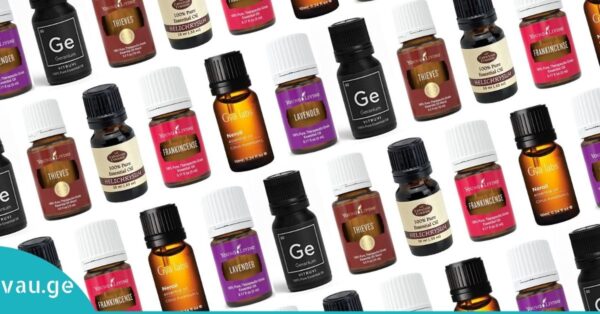
Essential oils help protect, nourish, and restore the skin, but it is important to remember that every skin type requires a specific type of oil. Oils have been used for medicinal and cosmetic purposes since ancient times, yet not every woman is aware that improper use can potentially damage the skin, disrupt its balance, or even worsen existing problems. That is why knowledge and moderation are the key principles in aromatherapy and natural skincare.
General Tips for Choosing Oils
Before incorporating essential oils or natural butters into a skincare routine, it is important to identify your skin type—dry, oily, combination, sensitive, or mature. Carrier oils (also known as base oils) such as olive oil, almond oil, or grapeseed oil are usually used to dilute essential oils, making them safe for topical application. Essential oils are highly concentrated and should almost never be applied directly to the skin without dilution.
Patch testing is another essential step. Applying a small amount of diluted oil to a discreet area of skin can help prevent allergic reactions or irritation. Additionally, quality matters greatly—only pure, high-quality essential oils should be used for therapeutic or cosmetic purposes.
Bay Laurel Essential Oil
Bay laurel essential oil possesses a wide range of therapeutic activities. Its most significant property is its calming and soothing effect on the nervous system. Thanks to its cineole content, it is an effective anti-catarrhal and expectorant remedy, making it especially useful for respiratory conditions such as colds, coughs, and congestion.
Due to its rich chemical composition, bay laurel oil also has antiviral, antibacterial, and antifungal properties. These qualities make it valuable not only for skincare but also for immune system support. When used properly, it can help cleanse the skin, reduce inflammation, and protect against harmful microorganisms.
Natural Butters: Almond, Cocoa, and Shea
Almond butter, cocoa butter, and shea butter are particularly beneficial for women who are breastfeeding, as they help soothe dry, cracked, and sensitive skin. These natural butters deeply nourish the skin, improve elasticity, and create a protective barrier that prevents moisture loss.
Shea butter, in particular, is an effective remedy for bruises and scars because it improves capillary circulation and supports skin regeneration. It is also known for reducing wrinkles and signs of aging. Due to its rich texture and nourishing properties, shea butter is often used as a natural alternative to hair conditioner, leaving hair soft, shiny, and manageable.
Oils for Cellulite and Body Care
A powerful combination for combating cellulite includes grapeseed oil and avocado oil mixed with sea salt and a few drops of grapefruit essential oil. This blend is exceptionally effective due to its high content of antioxidants, vitamins, and minerals. It helps stimulate circulation, improve skin texture, and promote detoxification.
Moreover, this combination is hypoallergenic and suitable for sensitive and oily skin types, making it a versatile option for body care. Regular use, combined with massage, can visibly improve skin firmness and tone.
Jojoba Oil
Jojoba oil is unique because its structure closely resembles the natural sebum produced by human skin. It helps unclog pores, balance oil production, and support collagen synthesis. In addition, jojoba oil restores the skin’s natural pH balance, making it ideal for both oily and acne-prone skin as well as dry and sensitive skin.
Its lightweight texture allows it to absorb quickly without leaving a greasy residue, making it a popular choice in facial skincare products.
Avocado Oil
Avocado oil accelerates the healing of chronic eczema and other skin conditions due to its deep moisturizing and nourishing properties. It penetrates the skin layers effectively, providing intensive hydration that is especially beneficial for dry, rough, or damaged skin.
Rich in vitamins A, D, and E, avocado oil supports skin regeneration, improves elasticity, and protects against environmental stressors. It is often recommended for mature skin and for soothing irritation caused by dryness or sensitivity.
Cocoa Butter
Cocoa butter is highly valued for its ability to slow down skin aging. It softens the skin, relieves irritation, and provides natural protection against sun damage. Its rich antioxidant content helps combat free radicals, which are responsible for premature aging.
Regular use of cocoa butter improves skin texture, enhances elasticity, and leaves the skin smooth and supple. It is particularly beneficial for preventing stretch marks and maintaining skin firmness.
Olive Oil and Grapeseed Oil
Olive oil and grapeseed oil are suitable for all skin types, especially young and sensitive skin. They are commonly used in the treatment of seborrheic dermatitis in children due to their gentle and nourishing properties.
These oils provide essential fatty acids and antioxidants that strengthen the skin barrier, reduce inflammation, and promote overall skin health. Their versatility makes them a staple in natural skincare routines.
Hazelnut Oil
Hazelnut oil is rich in essential fatty acids and vitamin E. It strengthens capillaries, reduces redness, and improves skin tone. Due to its astringent properties, it is particularly useful for oily and combination skin, helping to tighten pores and regulate sebum production.
Its lightweight texture makes it suitable for facial use without clogging pores.
Roman Chamomile Essential Oil
Since ancient times, Roman chamomile has been known for its effectiveness in treating nervous asthma, shortness of breath, and nervous cough. Roman chamomile essential oil possesses anti-inflammatory, antispasmodic, analgesic, and calming properties.
Its action is particularly intense, and its effects appear quickly. Despite its potency, this essential oil is considered absolutely safe and is gentle on the skin and mucous membranes when used correctly and diluted properly.
Wild Pine Essential Oil
The main molecule in wild pine essential oil is pinene. This compound has a positive effect on the mucous membranes of the lungs. At the pulmonary level, it exhibits anti-edematous and antiseptic properties, making it especially beneficial for respiratory health.
Pine essential oil must be diluted in a carrier oil or blended with another essential oil that does not cause irritation. This dilution reduces its concentration by up to 50%, ensuring safe use on the skin and preventing adverse reactions.
Availability and Final Notes
Any essential oil mentioned above can be purchased at pharmacies or specialized health stores. However, consumers should always check for purity, botanical name, and extraction method to ensure quality.
In conclusion, the true secret and uniqueness of essential oils lie in their concentrated natural power and versatility. When chosen wisely and used correctly, they can support skin health, enhance beauty, and promote physical and emotional well-being. At the same time, respect for their potency and adherence to proper usage guidelines are essential to avoid unwanted side effects. Essential oils are not just fragrant substances—they are powerful natural allies that deserve informed and mindful use.