















Vitamin E: The Essential Antioxidant Your Body Cannot Live Without
When it comes to maintaining overall health, vitamins play an irreplaceable role in our diet. Among them, Vitamin E stands out as a powerhouse nutrient that supports numerous physiological functions, protects our cells from damage, and contributes to long-term well-being. Unlike water-soluble vitamins, Vitamin E is fat-soluble, which means it requires dietary fats for proper absorption. This unique characteristic allows it to perform its most vital role: acting as a potent antioxidant that shields our body from oxidative stress and harmful free radicals.
But what exactly makes Vitamin E so special? What are its benefits, how does it function inside the body, and what are the best natural sources to include in your diet? Let’s dive deep into the fascinating world of this essential nutrient and understand why Vitamin E is the unsung hero of your health.
What Is Vitamin E and Why Is It Important?
Vitamin E is not a single compound but rather a group of eight fat-soluble compounds, including tocopherols and tocotrienols. Among these, alpha-tocopherol is the most biologically active form and the one most commonly found in dietary supplements. As a fat-soluble vitamin, Vitamin E dissolves in fat and is stored in the liver and fatty tissues, which makes its availability in the body longer-lasting compared to water-soluble vitamins like Vitamin C.
Its primary function is to act as a physiological antioxidant. This means that it helps neutralize harmful molecules called free radicals—unstable compounds that can damage cells, proteins, and DNA. Free radicals are generated naturally in our bodies through processes such as metabolism, but their levels increase dramatically due to environmental factors like pollution, smoking, poor diet, excessive alcohol intake, and chronic stress.
If left unchecked, free radicals cause oxidative stress, which contributes to aging, inflammation, and the development of chronic diseases such as cardiovascular disorders, neurodegenerative conditions, and even cancer. Vitamin E helps prevent this by stopping free radicals from attacking vital cellular components, thus acting as a protective shield.
The Antioxidant Powerhouse: How Vitamin E Works
To understand Vitamin E’s importance, let’s explore its core function—antioxidant protection.
Cellular Membrane Protection: Our cells are surrounded by membranes composed mainly of fats, making them vulnerable to oxidation. Vitamin E is incorporated into these membranes, where it acts as a bodyguard, protecting the lipids from oxidative damage.
Prevention of LDL Oxidation: LDL cholesterol, often referred to as “bad cholesterol,” tends to accumulate on artery walls, leading to atherosclerosis—a major risk factor for heart disease. When LDL gets oxidized, this process accelerates. Vitamin E prevents LDL oxidation, reducing the risk of cardiovascular problems.
DNA and Protein Protection: Apart from fats, Vitamin E also safeguards proteins and DNA from oxidative harm, which is essential for cellular integrity and long-term health.
In short, Vitamin E acts as your body’s internal antioxidant defense system, reducing the harmful effects of free radicals and slowing down cellular aging.
Beyond Antioxidants: Additional Benefits of Vitamin E
While antioxidant protection is its headline feature, Vitamin E provides numerous other health benefits:
1. Heart Health and Cardioprotection
Vitamin E is considered a cardioprotective nutrient because of its anti-inflammatory properties and ability to inhibit platelet aggregation (blood clots). By reducing oxidative stress and inflammation in the blood vessels, Vitamin E supports better circulation and heart health.
2. Skin Health and Anti-Aging
Vitamin E is widely used in skincare due to its ability to moisturize, repair, and protect the skin. It supports wound healing, reduces UV damage when combined with sunscreen, and minimizes signs of aging by preventing oxidative damage to skin cells.
3. Immune System Support
Vitamin E enhances immune function, especially in older adults. It improves the body’s defense mechanisms against infections by supporting the activity of immune cells.
4. Eye Health
Vitamin E helps protect the eyes from oxidative stress, which can contribute to age-related macular degeneration (AMD)—a leading cause of vision loss.
5. Anti-Inflammatory Properties
Its ability to reduce inflammation makes Vitamin E valuable in preventing chronic inflammatory conditions like arthritis.
What Foods Contain the Most Vitamin E?
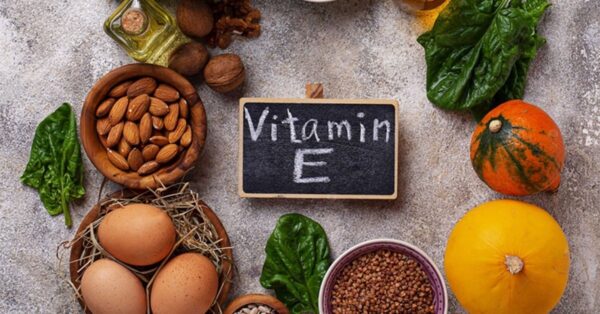
Vitamin E is primarily found in plant-based foods rich in healthy fats, making it relatively easy to obtain from a balanced diet. Here are the top food sources:
Vegetable Oils: Sunflower oil, safflower oil, corn oil, soybean oil, and wheat germ oil are among the richest sources.
Nuts and Seeds: Almonds, hazelnuts, peanuts, sunflower seeds, and walnuts are excellent sources.
Whole Grains and Germs: Wheat germ and whole grains like barley and oats contain moderate amounts.
Green Leafy Vegetables: Spinach, broccoli, and kale contribute small but valuable amounts of Vitamin E.
Fruits: Avocados, kiwis, and mangoes provide a healthy dose of Vitamin E.
Seafood and Fish: While plant-based sources dominate, some fish like salmon and trout contain Vitamin E.
Tip: To maximize absorption of Vitamin E from these foods, consume them with a source of healthy fats, such as olive oil or avocado. Since Vitamin E is fat-soluble, the presence of fat improves its bioavailability.
How Much Vitamin E Do You Need Daily?
The Recommended Dietary Allowance (RDA) for Vitamin E varies by age and gender, but for most adults, it’s around 15 mg (22.4 IU) per day. Pregnant and breastfeeding women may require slightly higher amounts.
Vitamin E Deficiency: Causes and Symptoms
Vitamin E deficiency is rare in healthy adults because it’s abundant in common foods. However, it can occur in individuals with fat-malabsorption disorders, such as Crohn’s disease, cystic fibrosis, or celiac disease. People with liver problems, premature infants, and those on extremely low-fat diets are also at risk.
Symptoms of Deficiency Include:
Muscle weakness and impaired coordination
Neurological issues such as numbness or tingling
Vision problems and retinal damage
Weakened immune response
Skin dryness and premature aging
Can You Get Too Much Vitamin E?
Yes, since it is fat-soluble, excess Vitamin E accumulates in the body, and high doses from supplements can lead to toxicity. Symptoms of overdose include nausea, diarrhea, fatigue, headaches, and even increased risk of bleeding because Vitamin E interferes with blood clotting.
Safe Upper Limit:
For adults, the upper intake level is around 1,000 mg (1,500 IU) per day from supplements. Exceeding this regularly is not recommended without medical supervision.
Tips for Preserving Vitamin E in Foods
Vitamin E is relatively stable during cooking, but it is sensitive to light and oxygen exposure. To retain its potency:
Store oils and nuts in dark, airtight containers.
Avoid leaving oil bottles open or exposed to sunlight.
Refrigerate oils like wheat germ oil for maximum freshness.
Vitamin E and Disease Prevention: What Research Says
Scientific studies suggest Vitamin E may reduce the risk of heart disease and slow down age-related cognitive decline. However, results are mixed when it comes to supplementation. While food-based Vitamin E intake is consistently beneficial, high-dose supplements have not shown significant advantages and can even be harmful if misused.
The bottom line: Get your Vitamin E from natural food sources rather than relying on pills.
Practical Ways to Include Vitamin E in Your Diet
Add a handful of almonds or sunflower seeds to your breakfast cereal or smoothie.
Use olive oil or sunflower oil in your salads and cooking.
Snack on hazelnuts or mix them into yogurt.
Enjoy avocado toast or add avocado slices to your salad.
Incorporate spinach or broccoli into your lunch or dinner.
Final Thoughts: The Vital Role of Vitamin E
Vitamin E is more than just an antioxidant—it is a cornerstone nutrient that supports heart health, skin vitality, brain function, and overall well-being. While deficiency is rare, modern lifestyles often lean toward processed foods that lack essential nutrients, making it important to pay attention to your Vitamin E intake.
The best strategy? Focus on a balanced diet rich in nuts, seeds, healthy oils, whole grains, and vegetables. By doing so, you will naturally maintain optimal Vitamin E levels and protect your body from oxidative damage.
Remember: Your health is in your hands—and sometimes, all it takes is a handful of almonds.








































