














Varicose veins can develop on almost any part of the body, but in most cases they affect the lower limbs. This is mainly because standing and walking increase pressure on the lower part of the body. As a result, blood tends to pool in the veins, causing them to stretch and lose elasticity. Over time, this leads to the appearance of swollen, bulging, twisted veins that become visible on the surface of the skin. Along with the visual changes, many people experience discomfort, heaviness, pain, burning sensations, and fatigue in the legs, especially after long periods of standing or sitting.
Varicose vein disease is a pathological dilation of the veins in which the structure of the venous wall is altered. In particular, the connective tissue becomes weak, the vein wall enlarges, loses tone, sags, and undergoes degenerative changes. The valve system inside the veins, which plays a crucial role in preventing the backward flow of blood, is also damaged. When these valves fail to function properly, blood reflux is impaired, and blood accumulates in the peripheral venous system instead of flowing efficiently back to the heart.
The muscles of the lower legs play an important role in venous circulation. Their regular contraction and relaxation help pump blood upward toward the heart. When muscle activity is insufficient or venous valves are damaged, blood stagnates in the veins, further worsening the condition. Over time, this can lead not only to cosmetic concerns but also to more serious complications, such as chronic venous insufficiency, skin changes, inflammation, and even ulcers.
Do not worry—traditional medicine offers several simple remedies and everyday products that may help relieve symptoms, support circulation, and improve the condition of varicose veins. While these methods do not replace medical treatment, they can be used as supportive measures, especially in the early stages of the disease.
Chili Pepper
Many nutritionists recommend consuming chili pepper because the substances it contains help improve blood circulation. Chili peppers are rich in capsaicin, a compound known to stimulate blood flow, reduce inflammation, and strengthen blood vessel walls. Improved circulation may help reduce the sensation of heaviness and fatigue in the legs.
Including chili pepper in your diet in moderate amounts can support vascular health and enhance overall circulation. However, people with stomach problems or sensitivity to spicy foods should use caution and consult a healthcare professional before increasing their intake.
Garlic
Garlic rightfully takes second place among natural remedies for varicose veins. If, for any reason, you cannot consume chili pepper, garlic should definitely be included in your diet. Garlic is well known for its anti-inflammatory and blood-thinning properties, which help reduce inflammation caused by poor blood circulation in the veins.
Garlic can be consumed raw, cooked, or added to various dishes—how you include it in your meals is entirely up to you. The most important thing is that it enters your body regularly. If you are unable to eat garlic due to its strong taste or digestive discomfort, you can try using it externally. Simply grate garlic finely and apply the resulting paste to the affected areas using a soft brush or cloth. Leave it on briefly, then rinse with lukewarm water. Be careful, as garlic can irritate sensitive skin.
Apple Cider Vinegar
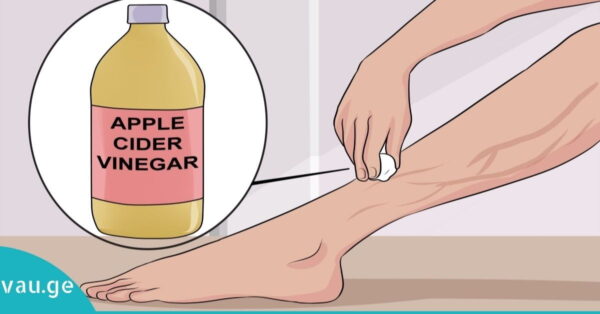
Apple cider vinegar is one of the most popular natural remedies for varicose veins. Soak a clean cotton pad or cloth in apple cider vinegar and place it directly on the affected veins. Leave it on for a few minutes. While doing this, you can gently massage the area, starting from the bottom of the leg and slowly moving upward toward the heart.
This upward motion supports venous blood flow and helps reduce swelling. Regular use of apple cider vinegar may improve skin tone, reduce visible veins, and relieve discomfort. It is recommended to perform this procedure daily or several times a week for better results.
Aloe Vera
Aloe vera has a cooling and soothing effect on the skin. It is widely used in traditional medicine for its anti-inflammatory and healing properties. Applying warm aloe vera ointment or gel to the affected areas may help improve the condition of varicose veins.
For best results, apply aloe vera before bedtime and leave it on overnight. This allows the active compounds to penetrate the skin and provide long-lasting relief. Regular use may reduce swelling, soothe irritation, and improve skin elasticity around the veins.
Homemade Remedies Are Easy to Prepare
One of the advantages of traditional medicine is that many remedies can be prepared easily at home using simple and affordable ingredients. Below are two traditional remedy recipes that are not only effective but also easy to make.
Herbal Infusion Recipe
Lightly boil a small amount of chamomile leaves and bay leaves in 2 liters of water. Add mint leaves to the mixture. Once the water comes to a boil, turn off the heat and let it sit for about 5 minutes. After that, use the liquid to gently massage the problematic areas of your legs.
Alternatively, you can pour the infusion into a basin and soak your feet and lower legs in it. This method helps relax muscles, reduce swelling, and improve circulation. To enhance the effect, you may add a small amount of baking soda to the infusion.
Cream Recipe
Place aloe vera and carrot into a blender, add apple cider vinegar, and blend until the mixture becomes smooth and uniform. Apply the resulting paste to the affected areas and leave it on for about 30 minutes. Then rinse it off with cold water.
This natural cream helps nourish the skin, improve elasticity, and reduce inflammation. Aloe vera soothes and heals, carrot provides vitamins and antioxidants, and apple cider vinegar supports circulation and skin tone.
Additional Lifestyle Tips for Managing Varicose Veins
In addition to using traditional remedies, lifestyle changes play a vital role in managing varicose veins and preventing their progression. Regular physical activity, such as walking, swimming, or gentle leg exercises, helps stimulate blood circulation and strengthen leg muscles. Avoid standing or sitting for long periods without movement, and try to elevate your legs whenever possible to reduce pressure on the veins.
Maintaining a healthy weight is also important, as excess body weight increases pressure on the lower limbs. Wearing comfortable shoes and avoiding tight clothing that restricts blood flow can make a noticeable difference. Compression stockings, recommended by healthcare professionals, may also help support venous circulation.
Conclusion
Varicose veins are a common condition that can significantly affect comfort and quality of life. While they often appear on the lower limbs due to increased pressure and impaired circulation, early care and supportive measures can help manage symptoms and slow progression. Traditional medicine offers a variety of natural remedies—such as chili pepper, garlic, apple cider vinegar, aloe vera, and homemade herbal treatments—that may improve circulation, reduce inflammation, and ease discomfort.
It is important to remember that these remedies should be used as complementary approaches rather than substitutes for professional medical care. If symptoms worsen, pain increases, or complications arise, consulting a healthcare provider is essential. With a combination of proper care, healthy habits, and natural support, it is possible to improve leg health and maintain better overall well-being.








































