















Today, let’s talk about one truly unique product — flax seeds. For me, discovering the benefits of flax seeds felt like a real revelation. There are so many incredible properties packed into these tiny seeds that we could talk about them all day and still not cover everything. But let’s start with the essentials and see why flax truly deserves a special place in our everyday diet and natural medicine cabinet.
A brief history of flax
Flax, much like wheat, is one of the oldest cultivated plants known to humanity. In Georgia, it has been grown since ancient times — archaeological findings show that flax fabrics were used as far back as the Bronze Age. The famous ancient historian Strabo mentioned that Colchis (a region of old Georgia) was rich in flax, while Herodotus noted that, apart from Egypt, Georgia was also widely known for the high quality of its flax fibers. This plant was used in multiple ways: for food, textiles, and especially for its healing properties.
Ancient Georgian medical manuscripts describe the use of flax seeds, oil, juice, and even fabrics in healing. Patients were sometimes advised to wear clothes or use handkerchiefs made from flax linen because it was believed to promote recovery and protect the body. Modern science has confirmed that these traditional beliefs were not far from the truth — flax is indeed a storehouse of nutrients and health-promoting compounds.
Composition and nutrients
Flax seeds are incredibly rich in omega-3 fatty acids, proteins, vitamin A, organic acids, enzymes, fiber, and a plant compound called linamarin glycoside. The combination of these elements gives flax seeds their remarkable healing power.
The mucilage (a natural gel-like substance) found in flax and the glycoside linamarin have a soothing and protective effect on the mucous membranes of the digestive system. Because of this, flax seed infusions are highly effective in treating gastritis, enterocolitis, and other inflammatory conditions of the stomach and intestines. They also help prevent the absorption of toxins from the gut, making them an excellent natural detoxifier.
The fatty acids in flax seeds also possess anti-inflammatory and regenerative properties, promoting tissue healing and helping maintain healthy skin, joints, and internal organs. In addition, flax has a mild laxative effect, making it a gentle remedy for constipation and other digestive issues.
Medical uses of flax
Doctors often recommend flax seed infusions for stomach and duodenal ulcers, esophageal disorders, enteritis, and colitis. They are also effective for atonic constipation and problems with metabolism. Flax seed oil, rich in linoleic acid and other unsaturated fats, is considered anti-sclerotic, meaning it helps prevent the buildup of harmful cholesterol in blood vessels.
However, flax seed oil works best when used consistently over a long period. Its effect is not immediate — it strengthens and heals the body gradually, through continuous nourishment and support. It’s also used externally to treat radiation or thermal burns, due to its ability to soothe inflammation and support tissue regeneration.
The unknown benefits — and a surprising connection
Interestingly, not many people know that flax may also have anti-diabetic properties. Ancient Georgian healers often used it in combination with another plant — chicory (known locally as “vardkatchacha”). Chicory has been used for centuries for similar purposes, both as a food and medicine. Today, two main types of chicory are recognized: one whose leaves are used in salads, especially for people with diabetes, and another whose roots are processed into a natural sweetener that replaces sugar.
This traditional pairing of flax and chicory shows how deeply our ancestors understood the healing power of nature. Both help regulate metabolism, improve digestion, and balance blood sugar levels — making them powerful allies for modern health as well.
Modern scientific view
From a scientific perspective, flax seeds are now being researched around the world for their potential role in preventing heart disease, diabetes, cancer, and inflammation. Their high content of omega-3 fatty acids (especially alpha-linolenic acid) helps maintain healthy cholesterol levels, reduces the risk of blood clots, and supports brain and heart function.
Flax is also a rich source of lignans, which are plant compounds with antioxidant and phytoestrogen properties. These lignans help balance hormones, especially in women, and may protect against certain types of cancer. Moreover, the soluble and insoluble fiber in flax improves digestion, supports healthy gut bacteria, and helps maintain a feeling of fullness — which can aid in weight management.
How to use flax seeds
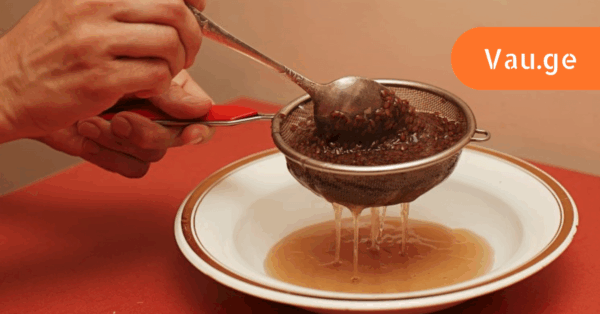
Flax can be used in many different ways. The most common method is to grind the seeds and mix them with warm water, yogurt, or smoothies. Ground flax seeds can also be added to baked goods, soups, or salads. Some people prefer to soak them overnight to release their mucilage, creating a natural gel that’s perfect for soothing the stomach and intestines.
Flax seed oil can be used as a salad dressing or taken by the spoonful in the morning for an internal detox effect. However, it’s important not to heat flax oil, as high temperatures destroy its delicate fatty acids.
A word of caution
Although flax seeds are safe for most people, moderation is key. Too much flax at once can cause bloating or digestive discomfort. Pregnant women and those taking blood-thinning medication should consult a doctor before using flax oil regularly.
Final thoughts
Flax is not just a plant — it’s truly a gift of nature that has stood the test of time. From ancient Georgian healers to modern nutritionists, everyone agrees that flax is one of the most valuable and versatile natural remedies available. Its benefits touch every aspect of our health — from the heart and digestion to skin, hair, and general well-being.
If you enjoyed learning about flax seeds, share your thoughts in the comments!
Our goal is to inspire you to use more natural ingredients in your daily life and discover how simple, home-based remedies can make a huge difference in your health.
Stay healthy, stay positive, and remember — nature always provides the best medicine. 🌱