



Sea buckthorn is a truly unique plant in terms of its biochemical composition and healing potential. For centuries, it has been valued in traditional medicine, and today modern science continues to study and confirm many of its remarkable properties. While the bright orange berries are widely known for their health benefits, the leaves of the plant are equally impressive and, in some aspects, even more concentrated in certain nutrients.
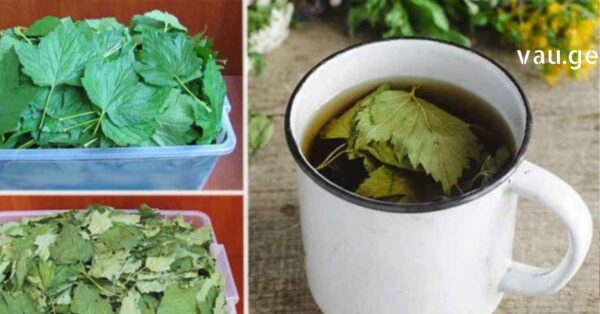
Sea buckthorn berries contain up to 4% organic acids, up to 7% natural sugars, flavonoids, tannins, and up to 5% oil. The seeds are even richer in oil, containing between 8–12%. However, what many people do not realize is that the leaves contain even more vitamin C than the berries themselves. This makes them an exceptional natural source of immune-supporting and antioxidant compounds.
Both traditional and modern medicine, as well as cosmetology, use sea buckthorn fruit in the form of juice, pulp, and oil. The plant is known to accelerate wound healing, support tissue regeneration, stimulate gastric juice secretion, and exhibit natural antibacterial properties. Thanks to its content of unsaturated fatty acids, fat-soluble vitamins (A, K, D, and E), phospholipids, and sterols, sea buckthorn helps prevent the development of atherosclerosis and supports overall cardiovascular health.
However, sea buckthorn leaves deserve special attention. They contain a wide range of biologically active substances beneficial for the human body, including Omega-3, Omega-6, Omega-7, and Omega-9 fatty acids. In addition, they are rich in carotenoids, tocotrienols, tocopherols, phenols, terpenes, glycosides, beta-carotene, oleic acid, linolenic acid, palmitic acid, glycerides of stearic acid, sterols, flavonoids, and coumarins. This complex composition makes the leaves a powerful natural remedy with anti-inflammatory, antioxidant, and immune-supporting properties.
In terms of vitamins, sea buckthorn leaves contain B-group vitamins and three times more vitamin A than carrots. They contain twelve times more vitamin C than oranges and provide the same amount of vitamin E as wheat grains. Such a rich vitamin profile makes sea buckthorn leaf infusion an excellent natural supplement for strengthening the immune system, combating fatigue, and supporting skin and eye health.
The leaves are also rich in important trace elements such as copper, iron, selenium, and manganese. These minerals play a crucial role in blood formation, antioxidant defense, metabolism, and maintaining healthy connective tissue. Selenium, in particular, is known for its role in supporting immune function and protecting cells from oxidative stress.
Dried sea buckthorn leaves are commonly brewed into tea and consumed for hypertension, intestinal disorders, hypovitaminosis, and colds. Fresh leaves can even be used as a culinary herb, sometimes replacing parsley or dill when a dish requires fresh greens. This makes sea buckthorn not only medicinal but also a versatile addition to a healthy diet.
Below are several specific applications of sea buckthorn leaf infusion and decoctions:
Joint Diseases
Sea buckthorn leaf infusion is traditionally used to support joint health and reduce inflammation. To prepare it, take one tablespoon of crushed leaves and boil them for 10 minutes in one glass of water. Strain and drink half a glass twice daily. The anti-inflammatory compounds in the leaves may help relieve discomfort associated with arthritis and other joint conditions.
Hypovitaminosis
Sea buckthorn leaf tea is highly effective in cases of vitamin deficiency. To prepare it, brew 5 grams of dried leaves in one glass of boiling water and let it steep for 10–15 minutes. This infusion provides a concentrated source of vitamins and antioxidants that help restore energy levels and strengthen immunity.
Gastrointestinal Disorders
For digestive disturbances, a decoction made from sea buckthorn leaves and small branches is used. The tannins and bioactive compounds in the plant may help regulate intestinal function, reduce inflammation in the digestive tract, and support gut health.
Skin Diseases
In cases of skin problems, therapeutic baths with an infusion of sea buckthorn branches and leaves are recommended. The anti-inflammatory and antimicrobial properties of the plant may help soothe irritation, support wound healing, and improve overall skin condition.
Prevention of Blood Clots
The leaves and fruits contain coumarins, natural compounds known to help prevent the formation of blood clots in blood vessels. This makes sea buckthorn particularly beneficial for cardiovascular health and circulation support.
Colds and Respiratory Infections
During colds, tea can be prepared using equal parts sea buckthorn leaves and chamomile flowers. This combination enhances anti-inflammatory, soothing, and immune-boosting effects, helping the body recover more quickly from respiratory infections.
Oral Health
Sea buckthorn tea is considered effective in managing stomatitis and periodontitis. Its antimicrobial and anti-inflammatory properties may help reduce gum inflammation, support healing of oral tissues, and maintain oral hygiene when used as a rinse or consumed regularly.
Diabetes and Metabolic Disorders
A decoction of sea buckthorn leaves is traditionally used in cases of diabetes, including vascular complications associated with the condition. It is also used for anemia, stomach ulcers, liver diseases, colds, atherosclerosis, and hypertension. The plant’s antioxidant properties may help reduce oxidative stress and support metabolic balance.
High Cholesterol and Obesity
Sea buckthorn leaves are also used to help manage high cholesterol levels and support weight management. The presence of unsaturated fatty acids and plant sterols may contribute to improved lipid metabolism and cardiovascular health.
Additional Benefits and Considerations
Sea buckthorn leaf infusion can also support detoxification processes in the body. The antioxidants it contains help neutralize free radicals, which are unstable molecules that can damage cells and contribute to aging and chronic diseases. Regular consumption of herbal infusions rich in antioxidants may support longevity and overall vitality.
Moreover, the adaptogenic properties of sea buckthorn leaves may help the body better cope with stress. By supporting immune and nervous system balance, the infusion may promote improved resilience and energy levels.
In cosmetology, sea buckthorn extracts are often used in skincare products due to their ability to nourish, hydrate, and protect the skin. While the oil from the berries is more commonly used externally, leaf extracts can also provide soothing and rejuvenating effects.
Preparation Tips
When preparing sea buckthorn leaf infusion, it is important to use high-quality dried leaves stored in a cool, dry place. Fresh leaves should be thoroughly washed before use. Typically, one teaspoon to one tablespoon of dried leaves per cup of boiling water is sufficient. Let the infusion steep for at least 10 minutes to allow the beneficial compounds to extract fully.
Precautions
Although sea buckthorn is generally considered safe, individuals with specific medical conditions or those taking medications should consult a healthcare professional before using concentrated herbal remedies regularly. People with low blood pressure should be cautious, as sea buckthorn may contribute to lowering blood pressure further.
In conclusion, sea buckthorn leaves are an extraordinary natural resource packed with vitamins, minerals, antioxidants, and beneficial fatty acids. Their infusion supports immune health, cardiovascular function, digestive balance, skin condition, joint health, and overall vitality. Whether consumed as tea, used in decoctions, or applied externally, sea buckthorn leaves offer a wide range of potential health benefits that truly make this plant remarkable.