









Rowan, also known as mountain ash, has been used in traditional medicine for centuries due to its powerful therapeutic properties. It is particularly beneficial for treating conditions related to the stomach, kidneys, and urinary bladder, including kidney and bladder stones. The fruit, seeds, and roots of the rowan plant each possess unique healing qualities that make this plant invaluable in natural medicine.
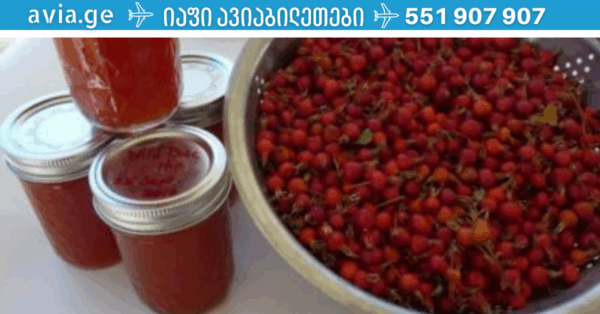
Rowan Fruit Infusion
To prepare a rowan infusion, take 10–15 fresh rowan berries and wash them thoroughly. Place the cleaned berries into a glass container or a thermos. It is important not to add lemon to the mixture, as this may alter the medicinal properties of the rowan. Pour 0.5 liters of hot water over the berries, ensuring that the water temperature does not exceed 60°C (140°F). If possible, seal the container and place it in a warm location. Let the infusion steep for 12 hours before consumption.
This infusion can be consumed to support kidney and urinary bladder health, especially in the treatment of kidney and bladder stones. The berries are rich in bioactive compounds and vitamins, particularly vitamin C, which is crucial for overall immunity and metabolic processes.
Rowan Seed Decoction
Rowan seeds also have significant medicinal value. To prepare a seed decoction, crush 1 teaspoon of the seeds and pour 1 cup of boiling water over them. Simmer on low heat for 15 minutes, then set aside to cool for 2 hours. Strain the mixture before consumption. Take 1/4 cup of this decoction before meals daily to support kidney and bladder health and aid in the treatment of stone-related conditions.
Rowan Root Decoction
Rowan roots are particularly effective for urinary tract inflammation. They also act as an appetite stimulant and a mild astringent, making them useful for treating gastrointestinal disturbances. To prepare a root decoction, crush 2 tablespoons of chopped roots and pour 1 cup of boiling water over them in an enamel pot. Simmer gently for 15 minutes, then allow the mixture to cool for 2 hours before straining. Consume 1/2 cup four times a day before meals.
Nutritional and Medicinal Value
It is important to know that 10–15 rowan berries provide the full recommended daily dose of vitamin C. Do not exceed the suggested amount, as overconsumption may have adverse effects on health. Rowan berries are harvested before the first frosts. Ideally, collect fully matured berries that are firm but already red or orange. At this stage, the berries contain the highest concentration of vitamin C.
The harvested berries should be dried quickly in a well-ventilated attic or storage area. They can also be dried in ovens or dehydrators at temperatures of 80–90°C (176–194°F). Rowan berries are a natural concentrate of vitamins and bioactive compounds. The pulp contains ascorbic acid (vitamin C), riboflavin (vitamin B2), beta-carotene (provitamin A), phylloquinone (vitamin K), and bioflavonoids (vitamin P). The seeds contain tocopherols (vitamin E), carotene, and various organic acids.
Traditional Uses
In traditional medicine, rowan berries are used to support the treatment of various diseases, including scurvy, gastrointestinal disorders, kidney and liver diseases, and gallbladder issues. The seed decoction is particularly used for kidney and bladder stones. Rowan fruits are also employed in medical practice to treat avitaminosis (vitamin deficiency), as a cholagogue to stimulate bile secretion, and more recently, as a supportive remedy in the prevention of sclerosis.
The high content of ascorbic acid in rowan berries helps reduce blood cholesterol levels and supports the body in combating infections and inflammation. Rowan is also traditionally used to treat cholecystitis, hepatitis, and other digestive system disorders.
Important Precautions
While rowan is highly beneficial, certain precautions must be observed. Long-term use of rowan infusions or decoctions is not recommended for individuals with thrombophlebitis, as it may affect blood clotting. It is also crucial to adhere to the recommended dosages and preparation methods to avoid adverse effects. Overconsumption can lead to digestive upset or other health complications.
Preparation and Storage Tips
To maximize the benefits of rowan remedies, proper preparation and storage are essential. Berries should be thoroughly washed to remove dust and impurities. Avoid using metal containers during preparation, as this can reduce the medicinal properties. Glass containers or enamel pots are recommended. Rowan infusions should be stored in a cool, dark place to preserve the vitamins and bioactive compounds. For long-term storage, dried berries should be kept in airtight containers to prevent moisture and mold growth.
Rowan seeds require careful handling. Crushing the seeds releases their beneficial compounds but should be done just before preparation to maintain potency. Decoctions made from the roots should be simmered gently and not boiled vigorously, as excessive heat can degrade some of the active ingredients.
Daily Use Recommendations
Fruit infusion: 0.5 liters of water infused with 10–15 berries, consumed after 12 hours of steeping.
Seed decoction: 1/4 cup before meals to support kidney and bladder health.
Root decoction: 1/2 cup four times daily to reduce inflammation and support gastrointestinal health.
Regular use of these remedies can support kidney function, aid in the elimination of urinary stones, strengthen the immune system, and provide essential vitamins and antioxidants to the body. By incorporating rowan into your daily routine, you harness a natural, effective, and time-tested remedy that has been used for centuries.
Conclusion
Rowan is an invaluable plant in both traditional and modern natural medicine. Its fruits, seeds, and roots are rich in vitamins, minerals, and bioactive compounds that support overall health, particularly in the treatment of kidney, bladder, and digestive system disorders. By following proper preparation techniques and dosage recommendations, rowan can be safely and effectively used to promote wellness, prevent disease, and enhance the body’s natural healing processes. Whether used as a fruit infusion, seed decoction, or root extract, this powerful plant offers a natural and holistic approach to maintaining health and vitality.