






The condition of our blood directly affects the functioning of every organ in the body. When blood becomes thick, it loses its ability to circulate efficiently, which can lead to serious health problems. Thickened blood, or hypercoagulable blood, is unable to perform its vital transport functions properly. It cannot effectively carry oxygen, nutrients, and hormones to tissues and organs, which increases the risk of cardiovascular diseases, stroke, hypertension, and other systemic disorders. Unfortunately, in today’s fast-paced lifestyle, issues with thickened blood have become increasingly common.
Understanding Blood Composition
Blood consists of plasma and formed elements, including red blood cells, white blood cells, and platelets. The ratio of plasma to these cellular elements is called the hematocrit level. When this balance is disrupted and the number of formed elements exceeds that of plasma, blood becomes thicker. High hematocrit levels increase the viscosity of blood, which slows circulation and increases strain on the heart and vascular system. Over time, this can contribute to a range of serious health complications, from arterial blockages to impaired organ function.
Thick blood can also affect oxygen delivery to the tissues, causing fatigue, dizziness, and a feeling of heaviness. In extreme cases, hypercoagulable blood can increase the risk of blood clots, which may lead to life-threatening conditions such as stroke or myocardial infarction.
Folk Medicine Approaches to Thinning Blood
While many people turn to medications like aspirin to thin their blood, it is important to note that these drugs can have significant side effects. Aspirin works by preventing platelets from forming clots, but it can also irritate the stomach lining, leading to ulcers and gastrointestinal bleeding if used long-term. Therefore, traditional and folk medicine offers safer alternatives for promoting healthy blood flow.
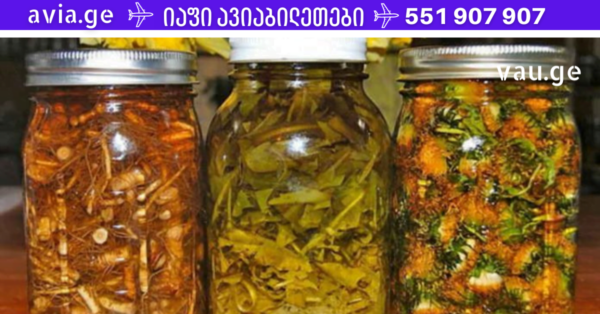
One natural remedy widely used is an infusion of currant and blackcurrant leaves. These leaves contain salicylic acid in natural form, which can gently thin the blood without causing the severe side effects associated with synthetic aspirin. Salicylic acid is also found in various fruits and vegetables, but often in amounts too low to have a significant impact on blood clotting. Regularly consuming such herbal infusions can support cardiovascular health and improve circulation naturally.
Dietary Recommendations for Blood Thinning
Another critical factor in managing blood viscosity is nutrition. Foods rich in vitamin K contribute to blood clotting, so individuals with thick blood should limit their intake of such foods. Vitamin K is abundant in spinach, lettuce, and other leafy greens. While these foods are highly nutritious and essential for general health, excessive consumption may exacerbate blood thickening in people with hypercoagulable blood.
On the other hand, incorporating omega-3 fatty acids from fish oils can be highly beneficial. Omega-3s help not only in thinning the blood but also in breaking down existing blood clots and reducing the buildup of atherosclerotic plaques in the arteries. Medical experts recommend consuming fatty fish such as salmon, mackerel, sardines, or herring at least three to four times per week for optimal cardiovascular benefits. These fatty acids improve vascular elasticity, reduce inflammation, and enhance overall blood flow.
It is also important to include iodine-rich foods in the diet, such as seaweed. Iodine supports vascular tone and helps regulate thyroid function, which is indirectly linked to blood viscosity and overall metabolism. Incorporating a small portion of grated seaweed into your meals on a regular basis can contribute to better circulation and maintain a healthy balance in the blood.
Natural Foods and Supplements to Improve Blood Flow
Certain amino acids, such as taurine, play an important role in normalizing blood pressure and improving circulation. Taurine is abundant in seafood and fish, making these foods particularly beneficial for people with thick blood. In addition, incorporating nuts like walnuts and almonds into the daily diet (about one tablespoon per day) can support vascular health and reduce blood thickness.
Another powerful natural remedy is garlic. Garlic has been used for centuries in traditional medicine to improve blood circulation and reduce blood viscosity. Regular consumption of garlic helps prevent platelet aggregation and improves the elasticity of blood vessels. It can be added raw to salads, cooked in meals, or consumed as a natural extract.
Citrus fruits such as grapefruit, oranges, and lemons, as well as red bell peppers and tomatoes, are excellent for thinning blood. They contain bioflavonoids and vitamin C, which strengthen capillary walls, improve blood flow, and prevent clot formation. Including these foods in the diet on a daily basis provides a natural and effective way to maintain proper blood viscosity.
Practical Tips for Daily Blood Health
Hydration – Adequate water intake is essential. Dehydration increases blood thickness, putting extra strain on the heart. Drink at least 1.5–2 liters of water daily.
Regular Physical Activity – Exercise stimulates circulation, supports heart health, and helps prevent blood stagnation. Walking, swimming, and moderate cardio activities are highly recommended.
Balanced Diet – Emphasize foods that support blood thinning naturally: fatty fish, nuts, garlic, berries, and citrus fruits. Limit vitamin K-rich vegetables if you already have thick blood.
Avoid Smoking and Excess Alcohol – Both smoking and heavy alcohol use increase blood viscosity and negatively affect vascular health.
Herbal Teas and Infusions – Regularly consuming herbal teas such as currant leaf, hawthorn, or ginkgo biloba can support blood circulation and vascular tone.
Summary of Natural Blood-Thinning Foods
Omega-3 fatty acids – fatty fish, flax seeds, chia seeds
Iodine-rich foods – seaweed, seafood
Taurine sources – seafood, fish
Nuts – walnuts, almonds
Garlic – raw or cooked
Citrus fruits – grapefruit, oranges, lemons
Vegetables – tomatoes, red peppers, moderate greens
Herbs – currant leaf, blackcurrant leaf, hawthorn, ginkgo biloba
By following these natural methods, it is possible to restore blood quality and reduce health risks associated with thick blood. Regular use of folk remedies, combined with a balanced diet, physical activity, and adequate hydration, can improve circulation, reduce clot formation, and strengthen the cardiovascular system without the side effects of synthetic drugs.
Maintaining healthy blood consistency is essential for overall well-being. Thick blood can put excessive strain on the heart, arteries, and organs. Using natural approaches such as herbs, dietary adjustments, and lifestyle changes can help restore balance safely and effectively. With consistency and proper care, one can significantly reduce the risks associated with hypercoagulable blood and improve overall quality of life.