













Enterobiasis, also known as pinworm infection, is the most common form of intestinal worm infection worldwide. It primarily affects children, especially those of preschool and school age, though it can also occur in adults. The pinworm, a small, white intestinal parasite, typically measures between 5 and 13 millimeters in length. Despite their tiny size, these worms can cause significant discomfort and disruption to daily life, particularly in children.

Symptoms of Enterobiasis
The symptoms of enterobiasis are primarily caused by the female pinworm. At night, when an infected person sleeps, the female worm travels to the anal area to lay thousands of microscopic eggs in the folds of the skin around the anus. This egg-laying process is what often triggers the characteristic symptoms of the infection. The most common symptoms include:
Intense itching in the anal or vaginal area, particularly at night.
Insomnia, irritability, restlessness, or difficulty concentrating, often resulting from disrupted sleep due to itching.
Periodic abdominal pain, nausea, and sometimes mild digestive discomfort.
Interestingly, many cases of pinworm infection do not present any symptoms at all, making it possible for individuals to carry and transmit the infection without realizing it.
Causes of Enterobiasis
Enterobiasis is caused by the accidental ingestion or inhalation of pinworm eggs. These eggs are microscopic and can be transmitted in several ways. They may be ingested through contaminated food, drink, or hands. Once inside the body, the eggs hatch in the intestines, where the larvae mature into adult pinworms over a few weeks.
Female pinworms move to the anal area to lay eggs, causing itching and discomfort. When a child scratches the affected area, the eggs can adhere to the fingers and under the fingernails. From there, the eggs can easily spread to other surfaces such as toys, bedding, toilet seats, and household items. Contaminated hands can transfer eggs to food, drinks, clothing, and even other people.
Pinworm eggs are remarkably resilient; they can remain viable on surfaces for 2–3 weeks, making hygiene practices and careful sanitation essential for preventing reinfection and further spread. Frequent handwashing, regular cleaning of bedding and clothing, and maintaining overall hygiene are key steps in controlling the infection.
Home Remedies for Pinworm Infection
While medical treatment with antiparasitic medications is often recommended for confirmed infections, certain home remedies have traditionally been used to help combat pinworms. These remedies may support parasite expulsion, soothe symptoms, and complement conventional treatments.
1. Spiced Nut and Coffee Decoction
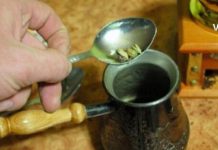
One effective home remedy involves a mixture of spices and ground nuts combined with coffee. To prepare this remedy:
Take 1/4 teaspoon each of walnuts, anise, sweet red pepper, and cardamom.
Add 1/2 teaspoon of salt and a small amount of ground coffee.
Pass the ingredients through a meat grinder or mix thoroughly in a bowl.
Pour 1 cup of boiling water over the mixture and stir well.
Consume one portion in the morning on an empty stomach and another portion in the evening before bed.
This mixture contains natural compounds that are believed to have antiparasitic properties. Combined with regular hygiene practices, it may help reduce the pinworm population in the intestines.
2. Pomegranate Peel Infusion
Another traditional remedy uses pomegranate peel, which is known for its antiparasitic effects. To prepare the infusion:
Take the peel of one pomegranate and pour 150 milliliters of boiling water over it.
Let the mixture steep and divide it into three portions.
Consume the portions on an empty stomach over a 30-minute period.
Following this treatment, it is recommended to take a mild laxative 3–4 hours later. This helps to expel the parasites from the intestines and can make the treatment more effective.
Additional Preventive Measures
In addition to these remedies, strict hygiene and preventive practices are crucial to prevent reinfection and further spread:
Wash hands thoroughly with soap and water, especially after using the toilet and before eating.
Keep fingernails short and clean to minimize the accumulation of eggs under the nails.
Wash bedding, clothing, and towels regularly in hot water.
Clean toys, toilet seats, and frequently touched surfaces to eliminate eggs that may have settled.
The Role of Onion in Pinworm Management
A traditional recommendation involves consuming raw onion daily for a week. Onion contains natural sulfur compounds and other bioactive substances that are thought to have antiparasitic properties. Daily consumption may contribute to the expulsion of worms and support overall intestinal health.
Why Children Are More Susceptible
Children are particularly vulnerable to enterobiasis due to their frequent hand-to-mouth contact, shared toys, and close interactions with peers. Microscopic eggs can easily transfer from one child to another, making infections common in schools and daycare settings. Parents and caregivers should be vigilant in maintaining hygiene and monitoring for signs of infection.
Reinfection and Persistence
One of the challenges with pinworm infections is their high rate of reinfection. Even after successful treatment, eggs that remain in the environment can lead to recurrence. This is why multiple cycles of treatment, along with rigorous cleaning and personal hygiene, are often necessary to fully eliminate the infection.
Conclusion
Enterobiasis is a widespread and common intestinal infection, particularly among young children. While medical treatment remains the most reliable method for eradication, natural remedies and hygiene practices can support recovery and help manage symptoms. Remedies such as spiced nut and coffee decoctions, pomegranate peel infusions, and even the inclusion of raw onions in the diet have been used successfully by many individuals. Coupled with proper sanitation and preventive measures, these approaches can reduce parasite load, relieve symptoms, and prevent further spread within households or communities.
By understanding the lifecycle of the pinworm, recognizing symptoms, and applying a combination of medical and natural interventions, individuals can effectively manage enterobiasis and maintain intestinal health. Regular handwashing, cleaning of bedding and toys, and careful attention to personal hygiene are essential components of this process, helping to break the cycle of infection and promote long-term well-being.








































