











Cherry is one of the most delicious and beloved fruits, widely enjoyed fresh and often used to make jams, compotes, and desserts. Beyond its pleasant taste and aroma, cherry has long attracted attention for its medicinal properties. People skilled in herbal and folk medicine have used not only the fruit but also the leaves of the cherry tree for centuries. Cherry leaves, in particular, hold a special place in natural healing traditions because they contain valuable nutrients and compounds that can support and strengthen the body in many ways.
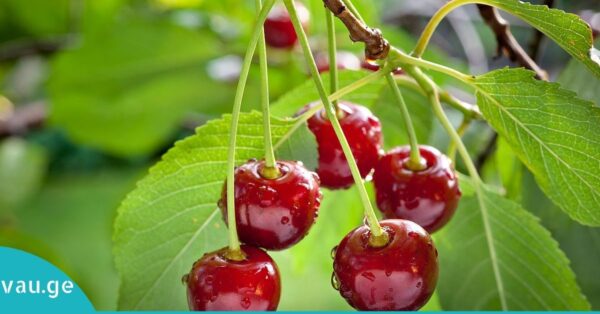
The nutritional composition of cherry leaves is surprisingly rich. The plant contains a complex of vitamins, especially vitamin A groups, organic acids, natural sugars, various types of carbohydrates, and a wide range of minerals such as magnesium, sodium, boron, and iodine. These are not the only minerals present—cherry leaves contain many other trace elements that contribute to their healing power. However, it is important to remember one notable contraindication: cherry and its leaves are not recommended for individuals who have increased stomach acidity or gastritis, as the organic acids may irritate the stomach lining.
What Are the Benefits of Cherry Leaves?
The healing properties of cherry leaves are truly remarkable. They offer several health benefits and can be used in many different remedies. Here are some important uses and recipes based on cherry leaves that can help the body cope with various ailments.
Cherry leaves are usually harvested in May, during the period when they contain the highest concentration of beneficial compounds. Fresh leaves are ideal, but dried leaves do not lose their healing properties. Even when dried and stored for months, they remain rich in vitamins and minerals and can be used to prepare teas, infusions, and healing decoctions.
Cherry Leaves for Jaundice
Jaundice — a form of hepatitis — is an extremely unpleasant illness caused by a disruption in liver function. Once a person has had jaundice, they develop immunity to the virus, but despite recovering, they can no longer serve as blood donors. Folk healers have long used cherry leaves to support liver health during and after recovery. A decoction of cherry leaves prepared with milk is considered especially helpful for individuals who have experienced jaundice.
Recipe for the Milk Infusion:
Take 2 tablespoons of cherry leaves
Add half a cup of milk
Boil the mixture on low heat for about 10 minutes
The remedy is ready once it cools slightly. It should be taken in small portions throughout the day. This soothing mixture is believed to support liver function, reduce inflammation, and assist the body in its recovery process.
Vitamin Tea from Cherry Leaves
A lack of vitamins is especially common during autumn and winter, when fresh fruits and vegetables may be less available. Cherry leaf tea is an excellent natural source of vitamins and antioxidants. It helps replenish the body’s nutrient stores, boosts immunity, and supports general well-being.
Cherry Leaf Tea for High Blood Pressure and Nosebleeds
For people who suffer from high blood pressure, nosebleeds may occur frequently. Cherry leaf tea can help stabilize the condition and reduce the likelihood of bleeding. In addition to drinking the tea, cotton pads soaked in the infusion can be placed inside the nostrils to help stop nosebleeds quickly.
How to prepare the infusion:
Use 10 grams of dried, crushed cherry leaves
Pour 1 cup of boiling water over them
Let it steep for about 30 minutes
Strain the mixture before using
This infusion has mild astringent properties and strengthens blood vessels, making it useful for managing nosebleeds and supporting cardiovascular health.
Diuretic Effect of Cherry Leaves
Cherry leaves also have a natural diuretic effect, which means they help remove excess fluids from the body. This can be beneficial for people with swelling, water retention, or kidney-related issues. The same recipe used for high blood pressure and nosebleeds can be used as a mild diuretic.
Simply take the prepared decoction in small portions throughout the day to support kidney function and promote healthy fluid balance.
Additional Benefits and Uses of Cherry Leaves
Over time, herbalists and traditional healers have developed hundreds of different infusions and remedies using cherry leaves. These preparations are believed to help with a wide variety of health issues. Here are some additional ways cherry leaves may support health:
Anti-inflammatory properties: Cherry leaves contain natural compounds that help reduce inflammation in the body, which can be beneficial for joint pain, sore muscles, or chronic conditions.
Antibacterial effects: They may help fight harmful bacteria and support wound healing, especially when used externally as a wash or compress.
Immune system support: The antioxidants and vitamins in cherry leaves help strengthen the immune system and protect the body from infections.
Improved digestion: Mild tea preparations can soothe the digestive system, reduce bloating, and support stomach function.
Respiratory health: Certain decoctions made from cherry leaves can help soothe coughing and mild respiratory irritation.
Skin benefits: Cherry leaf infusions can be used to wash the face, treat minor skin irritations, or refresh tired skin due to their soothing and toning effects.
Heart health: The minerals and natural compounds in cherry leaves may help support overall cardiovascular function.
Conclusion
Today, there are hundreds of known ways to prepare cherry leaf infusions and decoctions. Each recipe focuses on a specific health purpose, and together they offer a rich toolkit for those who prefer natural remedies. Whether used fresh or dried, cherry leaves remain a powerful and versatile plant-based medicine that can help the body cope with many conditions.
Cherry leaves are simple, accessible, and incredibly beneficial. Adding them to your herbal practice or daily routine can be an excellent way to naturally support your health — gently, safely, and effectively.