






There are nearly 500 different microorganisms living inside the human body. These microorganisms are generally divided into three groups: obligate (essential), facultative or conditionally pathogenic, and transient microorganisms that enter the body accidentally and do not permanently reside there. Among all of these, the most important representatives of the intestinal flora are bifidobacteria and lactobacilli. These beneficial bacteria perform a wide range of vital functions and serve as one of the body’s primary protective systems.
First and foremost, they ensure the stable microbial composition of the intestines. Healthy bacteria produce digestive enzymes that support proper digestion and absorption. They assist in absorbing essential nutrients such as vitamin D, iron, and calcium. They also synthesize vitamins of the B group, as well as vitamins C and K, in addition to producing nicotinic and folic acids. Through the production of antibacterial substances, beneficial bacteria inhibit the growth of harmful microbes and strengthen the immune system. In short, the presence of these microorganisms is fundamental to maintaining internal balance, resilience, and general well-being.
However, as soon as the quantity of beneficial microorganisms begins to decrease, harmful bacteria find the opportunity to reproduce freely. These pathogenic bacteria release toxins, negatively affecting the body and weakening its natural defenses. When this imbalance develops, the condition known as dysbacteriosis occurs — meaning the disruption of the body’s microbial equilibrium. Dysbacteriosis can manifest with various signs such as digestive discomfort, bloating, irregular stools, decreased immunity, fatigue, skin problems, and susceptibility to infections.
Many internal and external factors influence the condition of the gastrointestinal tract’s microflora, from the oral cavity all the way to the large intestine. Internal factors include gastric secretions, intestinal enzymes, and the natural interactions that occur among microorganisms inside the intestinal lumen. External factors include diet, prolonged or excessive use of antibiotics and other medications, environmental influences, chronic stress, poor sleep, and even lifestyle habits such as smoking or alcohol consumption. Any of these can disrupt the delicate microbial balance.
Dysbacteriosis may develop in the stomach, the small intestine, or the large intestine individually, although it is more common for the entire gastrointestinal system to be affected simultaneously. Restoring this balance can sometimes be challenging, and many modern treatments include probiotics, prebiotics, special diets, and medications aimed at reducing harmful bacteria. However, not all patients respond the same way, and some require long-term support.
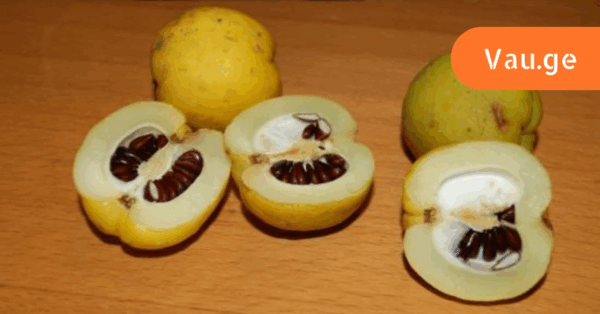
Until recently, I had no idea that quince was used in folk medicine to treat such conditions. When my child was diagnosed with dysbacteriosis, we were prescribed many medications. The treatment helped temporarily, but the symptoms returned after only a few weeks. It was a stressful cycle of improvement and relapse. At some point, I decided to explore natural or traditional remedies in addition to the medication prescribed by the doctor. I began searching for folk recipes and, to my surprise, discovered that quince seeds were widely recommended in traditional healing practices.
The remedy I found was simple, natural, and surprisingly effective. Many generations had used it to soothe the gastrointestinal tract, reduce inflammation, support the mucous membranes, and restore microbial balance. I decided to try it for my child, especially since quince seeds are known for their mucilaginous properties — they produce a gentle, soothing gel when soaked or boiled. This gel can help protect and heal the irritated intestinal lining, making it easier for beneficial bacteria to restore themselves naturally.
Here is the recipe and method of preparation:
Take 2 teaspoons of quince seeds and pour 2 cups of boiling water over them. Place the mixture on low heat for 10 minutes. After gently simmering, strain it well and then let the liquid sit for about 6 hours to allow the soothing components of the seeds to fully infuse the water. Once the infusion is ready, drink half a cup three times a day, approximately 30 minutes before meals.
My child began taking this infusion after completing a course of medication. From that point on, the condition never flared up again. The symptoms disappeared, digestion normalized, and there was no longer a need for additional medication. The remedy was gentle, natural, and free of side effects — something that brought great relief to both me and my child.
Over time, I learned that quince seed infusion is also well-known for its benefits in treating coughs, hoarseness, throat irritation, and conditions involving dryness or inflammation of the mucous membranes. Its natural soothing effect helps coat the tissues, reducing irritation and supporting healing.
For anyone struggling with dysbacteriosis — whether mild or recurring — I sincerely recommend trying this recipe. It is easy to prepare, inexpensive, and completely natural. Of course, it should not replace necessary medical treatment when needed, but it can be an excellent complementary remedy that supports the intestines, calms the digestive system, and creates favorable conditions for beneficial bacteria to restore themselves.
Natural remedies such as this one have been used for centuries and often remain relevant because of their simplicity and effectiveness. Modern medicine acknowledges that plant-based mucilage, like that found in quince seeds, can protect the gastrointestinal lining and reduce inflammation. Combined with a healthy diet, proper hydration, and, when necessary, probiotics, traditional remedies may help restore digestive balance even more effectively.
Today, as interest in natural healing grows, many people are rediscovering these time-tested methods. Quince seeds, though small and often overlooked, carry surprising healing properties. They serve as a reminder that nature often provides gentle, accessible solutions that can complement modern medicine beautifully.
For all those facing digestive imbalance, discomfort, or recurring dysbacteriosis, this remedy is worth considering. Sometimes relief can come from the simplest of sources — even from a small seed hidden inside an autumn fruit that many of us pass by without noticing. If this recipe helps even one more person the way it helped my child, then sharing it has been worthwhile.