














The Ecology of Health: Turmeric – India’s Most Popular Spice and a Secret of Beauty and Wellbeing
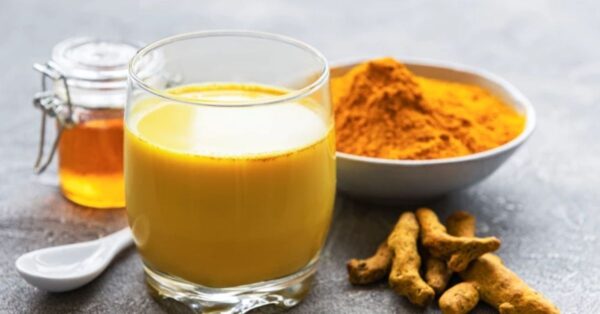
India, a country long admired for its rich traditions, vibrant culture, and profound natural knowledge, has given the world countless remedies and ingredients that promote beauty and health. Among these, turmeric holds a truly special place. This golden-yellow spice, often called “the golden healer”, has been used for thousands of years not only as a culinary staple but also as a natural medicine and a beauty enhancer. The healing qualities of turmeric are often described as magical because they act on the skin, the immune system, and a wide range of diseases.
Today, turmeric is one of the most popular spices in the world. Its unique aroma and flavor enrich food, while its medicinal properties continue to amaze both traditional healers and modern scientists. Turmeric is widely appreciated in India, a land often referred to as “a treasure house of beauty and health secrets,” and its influence has now spread across all continents.
In this extended guide, we will look at turmeric from multiple perspectives: its health-promoting benefits, the special qualities of turmeric essential oil, practical ways to use it both internally and externally, and even a simple recipe for preparing your own homemade turmeric oil at home.
Why Turmeric Is So Special
Turmeric, scientifically known as Curcuma longa, belongs to the ginger family. Its bright yellow color comes from curcumin, the main active compound responsible for most of its healing powers. Curcumin has been studied extensively and is known for its anti-inflammatory, antioxidant, antimicrobial, and even anticancer properties.
For centuries, Indian households have included turmeric in their daily diet, not only for flavor but also as a natural defense against infections and chronic diseases. Ayurveda, India’s ancient medical system, recommends turmeric for almost every health issue—from digestive problems and skin diseases to joint pain and respiratory conditions.
Turmeric Essential Oil – A Concentrated Healing Elixir
While most people are familiar with turmeric powder, fewer know about turmeric essential oil, which is made from the roots of the turmeric plant. Unlike the powdered form used in cooking, the oil contains a highly concentrated amount of turmeric’s beneficial compounds, including ar-turmerone, alpha-turmerone, and beta-turmerone.
Turmeric essential oil is prized for its therapeutic, cosmetic, and aromatic uses. It can be applied externally for skin and joint care, inhaled to support the respiratory system, or even used as an ingredient in homemade beauty products.
Benefits of Turmeric Essential Oil
1. Skin Care
One of the most popular uses of turmeric oil is in skin care. A few drops of diluted oil can be massaged gently into the skin to:
Reduce acne and pimples thanks to its antibacterial action
Minimize the appearance of blackheads and scars
Improve skin tone and make the skin softer and more radiant
Promote faster healing of minor wounds and blemishes
Regular use of turmeric oil in massages or added to bathwater can gradually eliminate imperfections and give the skin a natural, youthful glow.
2. Antibacterial Properties
Turmeric oil is a natural antiseptic. It can be applied topically to help treat:
Mosquito bites and insect stings
Minor skin infections
Cuts, scratches, and other superficial wounds
Its natural antibacterial qualities help prevent infections, making it an excellent natural alternative to chemical ointments.
3. Anti-Inflammatory Power
Turmeric is famous worldwide as a natural anti-inflammatory agent. The essential oil can relieve:
Joint pain caused by arthritis
Muscle aches after exercise
Cramps and stiffness due to overexertion
Swelling in injured tissues
Because inflammation is linked to many chronic conditions, regular use of turmeric oil may support long-term joint and muscle health.
4. Relief During Colds and Respiratory Issues
Another traditional use of turmeric oil is in the treatment of colds. When added to hot water and inhaled as steam, or when used in a humidifier, turmeric oil:
Clears nasal congestion
Helps eliminate harmful microbes in the respiratory tract
Soothes throat irritation
Speeds up recovery from colds and flu
Inhaling turmeric vapors is especially useful during seasonal flu outbreaks, as it provides a natural line of defense against infection.
How to Prepare Homemade Turmeric Essential Oil
While commercial turmeric essential oil can be purchased, making your own version at home is possible and surprisingly easy. The homemade method creates an infused oil rather than a distilled essential oil, but it still retains many beneficial compounds of turmeric.
Ingredients:
2 cups of coconut oil (or any high-quality carrier oil such as olive oil, almond oil, or jojoba oil)
Fresh turmeric roots (at least 2 tablespoons, grated into a paste)
Preparation Steps:
Create the turmeric paste:
Wash and peel the fresh turmeric roots, then grind or crush them with a small amount of water until a smooth paste forms.
Heat the oil:
Place the coconut oil into a small pot or saucepan and heat gently over low flame.
Add the paste:
Stir in the turmeric paste and allow the mixture to simmer for about 1 minute. Be very careful not to let the turmeric burn, as overheating destroys its healing qualities.
Cool down:
Remove the mixture from the heat and let it cool naturally to room temperature.
Strain and store:
Pour the oil into a clean, dry glass bottle, making sure no moisture remains, as this could spoil the oil.
Your homemade turmeric oil is now ready to use! Store it in a cool, dark place, and use it for massages, skin treatments, or even as a natural remedy for colds.
Additional Uses and Practical Tips
For Foot Swelling:
Add a few drops of turmeric oil into warm water and soak your feet. This helps reduce inflammation, swelling, and fatigue.
For Hair Health:
When mixed with coconut or castor oil, turmeric oil can help strengthen hair roots, fight dandruff, and improve scalp health.
As a Relaxation Aid:
Used in aromatherapy, turmeric oil can calm the nervous system, reduce stress, and improve mood.
As an Immunity Booster:
A gentle chest massage with diluted turmeric oil can strengthen the body’s natural defenses.
The Science Behind Turmeric’s Healing Power
Modern studies support many of the traditional uses of turmeric. Research has shown that curcumin and turmerone compounds in turmeric oil:
Reduce oxidative stress by neutralizing harmful free radicals
Support cardiovascular health by improving blood circulation
Protect brain cells and may reduce the risk of neurodegenerative diseases such as Alzheimer’s
Enhance liver function by promoting detoxification
Exhibit anticancer properties by inhibiting the growth of certain cancer cells
These findings explain why turmeric has been valued not only in folk medicine but also in modern scientific research.
Conclusion
Turmeric, the golden spice of India, truly lives up to its reputation as a symbol of health, beauty, and healing. Whether used in daily meals, as a skin-care remedy, or as a therapeutic essential oil, it offers countless benefits.
By learning how to make turmeric oil at home, anyone can enjoy the powerful effects of this ancient plant in a natural and affordable way. From reducing acne and scars to easing joint pain and colds, turmeric oil is a gift of nature that supports health on every level.
If you are searching for a natural remedy that combines tradition, science, and beauty, turmeric deserves a permanent place in your home.








































