












I have heard many things about the healing properties of sage. At one point, my curiosity grew so strong that I decided to study its effects thoroughly and learn more about this remarkable plant. What I discovered truly impressed me. Sage has been valued for centuries in traditional medicine, and after exploring its characteristics and trying several remedies myself, I better understood why it has earned such a respected place in natural healing practices.
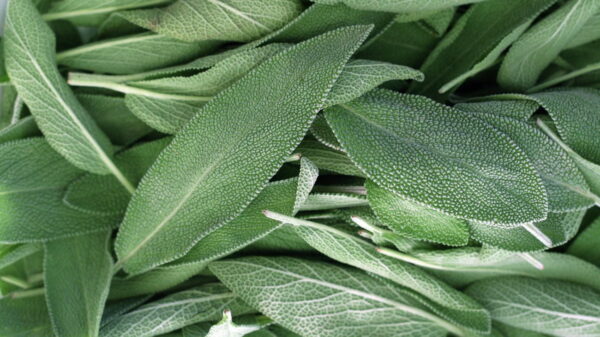
Sage is a small semi-shrub that grows up to about 50 centimeters in height. It has strong, well-developed roots and produces beautiful flowers that can be bluish-purple, pink, or white. The plant is widely distributed in the Caucasus region and other parts of the world with suitable climates. For medicinal purposes, its leaves are primarily used. These leaves contain a variety of biologically active compounds that give sage its powerful properties.
Sage is known for its bactericidal (antibacterial), anti-inflammatory, hemostatic (bleeding-stopping), expectorant, and calming effects. Because of this wide range of actions, it is used in many different conditions, from respiratory infections to digestive disorders and oral health problems. Traditional healers have long relied on sage to support the body during illness, and even today, many households keep dried sage leaves as part of their home remedy collection.
Not long ago, my son went swimming in a river. Unfortunately, he did not dry his hair properly afterward. By the evening, when he returned home, he had started to feel chilled and soon developed a cough. I wrapped him warmly in bed and began thinking about what I could use to help him recover. Suddenly, I remembered that I had sage at home.
I prepared an infusion of sage leaves for him. Within just two or three days, there was no trace of the cold left. His cough disappeared, his strength returned, and he felt completely healthy again. That experience strengthened my confidence in the effectiveness of this plant.
On another occasion, my husband’s gastritis worsened. He was suffering from stomach pain and uncomfortable bloating. Once again, I turned to sage. I prepared an infusion and gave it to him regularly. After several days, his pain decreased significantly, and the bloating subsided. These personal experiences convinced me that sage truly deserves attention as a reliable natural remedy.
I would like to share with you the recipes that I have personally tried and found helpful.
For colds:
Take 1 teaspoon of crushed sage leaves and pour 0.5 liters of boiling water over them. Bring the mixture briefly to a boil, then remove it from the heat. Let it steep for 30 minutes, then strain. Drink it warm, half a cup at a time, 3–4 times a day, about 30 minutes before meals. Continue drinking until full recovery. Sage’s anti-inflammatory and antibacterial properties help soothe the throat, reduce coughing, and support the immune system.
For bronchitis and pneumonia (in addition to medication prescribed by a doctor):
Take 1 tablespoon of crushed sage leaves and pour 1 cup of milk over them. Bring to a boil, remove from heat, let it steep for 10 minutes, and strain. Drink it hot before bedtime. The treatment course lasts 10–14 days. Sage combined with warm milk may help calm irritated airways, ease coughing, and promote better sleep during respiratory illness.
For gastritis with low acidity and flatulence:
Take 2 tablespoons of crushed sage leaves and pour 1 cup of boiling water over them. Let it steep for 1 hour and strain. Take 2 tablespoons of the infusion 3 times a day, 15–20 minutes before meals. The treatment course lasts 10–14 days. Sage can help regulate digestion, reduce inflammation in the stomach lining, and relieve bloating.
During menopause and heavy bleeding:
Take 1 tablespoon of crushed sage leaves and pour 1 cup of boiling water over them. Bring to a boil, remove from heat, let it steep for 2 hours, and strain. Take one-quarter cup 4 times a day, 30 minutes before meals. Sage has traditionally been used to support hormonal balance and reduce excessive sweating and bleeding.
For periodontitis, stomatitis, gingivitis, tonsillitis, laryngitis, and pharyngitis (in addition to medication prescribed by a doctor):
Take 1 teaspoon of crushed sage leaves and pour 1 cup of boiling water over them. Let it steep for 30 minutes and strain. Use the warm infusion to rinse the mouth or gargle 3–4 times a day. Sage’s antibacterial and anti-inflammatory properties make it especially useful for oral and throat infections.
These remedies are based on the book “2000 Herbal Healing Recipes.” This collection gathers traditional knowledge and practical advice that has been passed down through generations. Such books remind us that natural medicine has deep historical roots and has supported human health long before modern pharmaceuticals were developed.
Beyond the specific uses listed above, sage is often valued for its general strengthening and calming effects. Many people drink sage tea simply to relax after a stressful day. Its mild sedative properties can help ease nervous tension and improve sleep quality. At the same time, sage contains antioxidants that protect cells from damage caused by free radicals, contributing to overall well-being.
It is important to note that while sage is a powerful medicinal plant, it should be used responsibly. High doses or prolonged use without breaks may not be suitable for everyone, especially for pregnant or breastfeeding women or individuals with certain medical conditions. Consulting a healthcare professional before starting any herbal treatment is always a wise decision, particularly when dealing with chronic or serious illnesses.
Nevertheless, sage remains one of the most versatile and respected plants in folk medicine. Its ability to address respiratory issues, digestive discomfort, hormonal imbalances, oral infections, and inflammatory conditions makes it an invaluable natural remedy. The fact that it grows widely and can be easily dried and stored adds to its practicality.
In today’s world, where many people rely heavily on synthetic medications, it is comforting to remember that nature offers its own solutions. Simple plants like sage, which can often be found in gardens or local markets, may provide effective support for common health concerns. Of course, herbal remedies should complement—not replace—professional medical care when necessary. However, for mild conditions and early symptoms, sage can be a gentle yet powerful ally.
Must See: The Best Folk Recipes Against Bronchitis – Try Them and You Won’t Regret It.
By sharing these experiences and recipes, I hope to encourage others to rediscover the value of traditional herbal knowledge. Sometimes, the most effective remedies are the ones that have been quietly used for generations. Sage, with its remarkable healing properties, is a wonderful example of how nature can support our health in simple, accessible, and affordable ways.