






Cocoa butter is a natural fat obtained from the beans of the chocolate tree, known scientifically as Theobroma cacao. For centuries, it has been valued not only in food production but also in traditional medicine and cosmetology. Thanks to its unique composition and physical properties, cocoa butter is considered a multifunctional natural product with nourishing, protective, and restorative qualities.
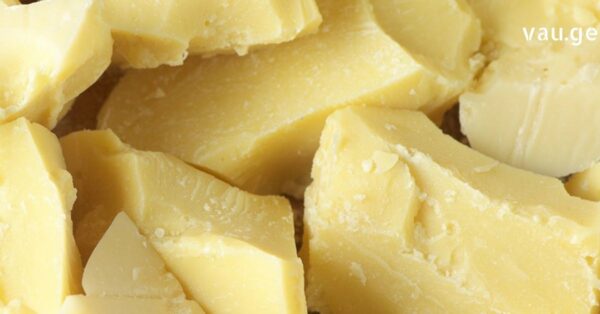
At temperatures between 16–18°C (60–64°F), cocoa butter remains solid and brittle. However, at body temperature (33–36°C / 91–97°F), it melts easily and turns into a smooth liquid. This characteristic makes it extremely convenient for cosmetic and therapeutic use, as it melts directly upon contact with the skin, allowing for deep absorption and easy application.
Cocoa butter has a pleasant chocolate aroma, and its color ranges from light yellow to light brown. It is widely used in medicine, cosmetology, confectionery production, and the food industry. Beyond its culinary uses, its therapeutic potential has drawn increasing attention.
Chemical Composition of Cocoa Butter
One hundred grams of cocoa butter contains approximately 884 calories, as it is a concentrated fat source. However, its value lies not only in its caloric density but in its rich chemical profile.
Vitamins:
Vitamin D
Vitamin A
Vitamin E
Macro- and Microelements:
Copper
Magnesium
Potassium
Calcium
Iron
Phosphorus
Zinc
Manganese
Fatty Acids:
Saturated fats
Monounsaturated fats
Polyunsaturated fats
Cocoa butter contains stearic acid, oleic acid, palmitic acid, and linoleic acid. Among these, oleic acid makes up nearly half of its composition. Oleic acid is especially beneficial because it may help reduce LDL (“bad”) cholesterol levels and support cardiovascular health.
In addition to fatty acids, cocoa butter contains small amounts of caffeine, as well as significant quantities of tannins and xanthines. These biologically active compounds contribute to its antioxidant, anti-inflammatory, and skin-protective effects. These properties explain why cocoa butter is highly valued in skincare, haircare, and nail care products.
Beneficial Properties of Cocoa Butter
The rich chemical composition of cocoa butter and the therapeutic qualities of its components are sufficient for it to be considered a healing product in traditional wellness practices.
When included in the diet in moderate amounts, cocoa butter may help reduce the risk of cardiovascular conditions such as stroke and atherosclerosis. Its oleic acid content supports healthy lipid balance and blood vessel elasticity.
Cocoa butter is also believed to assist the body in coping with respiratory infections and chronic inflammatory conditions affecting the lungs and airways.
Its antioxidant components help neutralize free radicals, which play a role in aging and chronic disease development. Vitamin E, in particular, contributes to skin protection and cellular regeneration.
Cocoa Butter in Cosmetology
Cocoa butter is widely and successfully used in cosmetology. It delivers excellent results when treating dry and brittle hair. It deeply nourishes hair strands, restores shine, and improves elasticity. Many people notice improvement from the very first applications.
It is also highly effective in restoring dry, cracked, irritated, or wrinkled skin. Thanks to its emollient properties, cocoa butter forms a protective barrier on the skin, locking in moisture while allowing it to breathe.
Additionally, it is used to strengthen nails, restore their healthy appearance, and prevent brittleness.
Conditions Cocoa Butter May Help Prevent or Relieve
Cocoa butter is traditionally used to support prevention or symptom relief for:
Stroke
Atherosclerosis
Cough
Pneumonia
Bronchitis
Asthma
Hemorrhoids
Eczema
Cracked skin on nipples, heels, and fingers
Skin itching and irritation
Dry skin
Chapped lips caused by wind
Wrinkles and premature aging
Sagging and exhausted skin
Pigmentation spots
Capillary spider veins
Brittle and dry hair
It tones, tightens, and improves skin elasticity while slowing visible signs of aging.
Recipes and Methods of Use
For Pneumonia, Cough, Bronchitis, and Asthma – External Use
Massage cocoa butter onto the chest and upper back of the patient. This may stimulate blood circulation in the lungs and improve respiratory function. Increased blood flow may help support the capillary system of the lungs and bronchi and assist the body in eliminating toxins and infections.
For Pneumonia, Cough, Bronchitis, and Asthma – Internal Use
Dissolve ½ teaspoon of cocoa butter in one cup of hot milk. Allow the mixture to cool slightly before drinking. This soothing beverage may help ease throat irritation and coughing.
For Hemorrhoids
During flare-ups, after proper hygiene, insert approximately one teaspoon of solid cocoa butter into the rectum. Continue the procedure until improvement occurs. Cocoa butter’s lubricating and anti-inflammatory properties may reduce discomfort.
For Atherosclerosis
Take ½ teaspoon of cocoa butter twice daily, 30 minutes before meals. Continue until improvement is observed.
Face Care
Cocoa butter may help reduce pigmentation spots and the appearance of spider veins. It expresses its healing properties effectively during cosmetic treatments.
Face Mask Recipe
Melt 1 teaspoon of cocoa butter in a water bath. Mix it with 1 teaspoon of milk and 1 teaspoon of fruit or vegetable juice. Apply the mixture to the face and leave it on for 10–15 minutes. Rinse with lukewarm water.
This mask is suitable for all skin types and provides nourishment, hydration, and improved complexion.
Hair Treatment
Cocoa butter’s therapeutic effect on hair is highly valued.
Hair Mask Recipe
Melt 2–3 tablespoons of cocoa butter in a water bath. Mix it in a 1:1 ratio with burdock oil. Add 5 drops each of vitamins A and E, and 3 drops of grapefruit essential oil. Distribute the mixture evenly throughout the hair and leave it on for 1.5–2 hours. Rinse thoroughly.
Repeat the procedure 1–2 times per week. A full course consists of 12–14 treatments.
This mask strengthens hair follicles, restores shine, reduces breakage, and improves overall scalp health.
Anti-Aging and Skin Firming Effects
Regular topical application of cocoa butter may improve skin tone and elasticity. It stimulates natural regeneration processes and enhances collagen support, which helps reduce the appearance of fine lines.
Because it melts at body temperature, cocoa butter penetrates effectively into the upper skin layers, providing long-lasting hydration without clogging pores when used appropriately.
Additional Benefits
Cocoa butter is often used to soothe sun-exposed skin, protect against windburn, and support recovery from minor skin damage. It may also reduce stretch marks when used consistently during pregnancy or weight changes.
Its calming chocolate aroma can provide mild mood-enhancing effects, contributing to relaxation during massage or skincare routines.
Warnings and Precautions
Individual intolerance or allergy to cocoa products may occur.
Avoid taking cocoa butter internally in the evening, as its mild stimulant components (such as caffeine and xanthines) may cause excitability.
If any side effects occur, discontinue use and consult a healthcare professional.
Cocoa butter should be used in moderation, particularly for internal consumption, due to its high caloric content.
Conclusion
Cocoa butter is far more than just an ingredient in chocolate. Extracted from the beans of Theobroma cacao, it possesses a rich composition of fatty acids, vitamins, antioxidants, and beneficial minerals. These elements contribute to its moisturizing, anti-inflammatory, cardiovascular-supportive, and regenerative properties.
Whether used internally in small amounts or applied externally to skin and hair, cocoa butter remains a versatile natural remedy in both traditional medicine and modern cosmetology. Its ability to nourish, protect, and restore makes it a valuable addition to many wellness routines.
However, as with any natural remedy, it should be used responsibly and with awareness of individual sensitivities. When applied correctly, cocoa butter can be a powerful ally in maintaining skin health, respiratory comfort, and overall well-being.