












There are certain symptoms that many women commonly experience but often overlook. Busy schedules, family responsibilities, work obligations, and the habit of prioritizing others’ needs frequently cause women to ignore warning signs from their own bodies. However, some symptoms should never be dismissed, as early detection of serious conditions can significantly improve treatment outcomes and overall health.
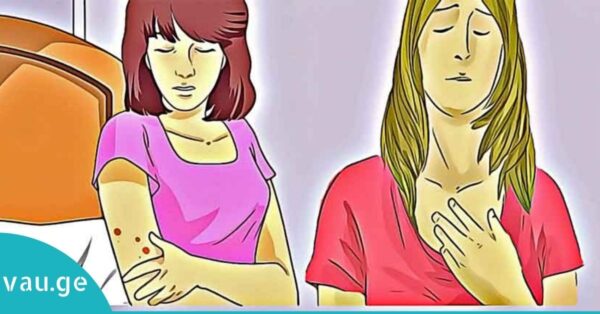
Below are important symptoms that require attention and, when necessary, medical consultation.
Chronic Cough and Shortness of Breath
A persistent cough that lasts for weeks, especially if accompanied by shortness of breath, chest discomfort, or unexplained fatigue, should never be ignored. While these symptoms may result from common conditions such as allergies, asthma, or respiratory infections, they can sometimes indicate more serious illnesses, including lung disease or, in rare cases, lung cancer.
If a cough does not improve over time or worsens despite treatment, it is essential to seek medical evaluation. Early diagnosis is critical for effective management of respiratory conditions.
Changes in the Breast
Breast changes are one of the most important warning signs for women. If you notice firmness, lumps, thickening, skin dimpling, nipple discharge, or changes in breast shape or size, consult a healthcare professional immediately. While many breast lumps are benign (non-cancerous), some may be early signs of breast cancer.
Regular self-examinations and routine screenings such as mammograms play a crucial role in early detection. Women should become familiar with the normal appearance and texture of their breasts so they can quickly identify any unusual changes.
Skin Changes
If you observe changes in the shape, color, or size of moles or other skin spots, it is important to seek medical advice. Sudden darkening, irregular borders, bleeding, or itching may indicate skin disorders, including skin cancer. Early evaluation by a dermatologist can prevent serious complications.
Skin changes are not limited to moles. Persistent rashes, unexplained discoloration, or sores that do not heal may also require medical attention.
Heart Problems
Many women underestimate heart-related symptoms. Chronic stress, unhealthy eating habits, smoking, and alcohol consumption significantly increase the risk of cardiovascular disease. Women may experience heart problems differently than men. Symptoms such as fatigue, nausea, jaw pain, shortness of breath, or back discomfort may be early signs of heart issues.
Because heart disease remains one of the leading causes of death among women worldwide, it is essential to take cardiovascular health seriously. Managing stress, maintaining a balanced diet, exercising regularly, and avoiding excessive alcohol consumption can help reduce risk.
Weakness and Chronic Fatigue
Persistent weakness and chronic fatigue are often dismissed as the result of a busy lifestyle. However, ongoing exhaustion that does not improve with rest may indicate anemia, thyroid disorders, autoimmune conditions, depression, or even more serious illnesses.
If you consistently feel drained, lack energy, or struggle to complete everyday tasks, consult a doctor for proper testing and evaluation.
Changes in the Mouth
Unusual spots, sores, or patches in the mouth should not be ignored. White or red patches, persistent ulcers, or lumps may sometimes signal infections or, in rare cases, oral cancer. If such changes last longer than two weeks, medical evaluation is recommended.
Good oral hygiene and regular dental check-ups are essential for early detection of oral health issues.
Heavy Menstrual Bleeding
If you experience unusually heavy menstrual bleeding, prolonged periods, or bleeding between cycles, it is important to seek medical advice. Excessive bleeding may indicate hormonal imbalances, uterine fibroids, endometriosis, or other reproductive health conditions.
Ignoring abnormal menstrual patterns can lead to complications such as anemia and long-term reproductive problems. Monitoring cycle regularity and discussing changes with a healthcare provider ensures early diagnosis and treatment.
Changes in the Nails
Dark streaks, unusual spots, thickening, or separation of the nail from the nail bed may signal underlying health conditions. In rare cases, dark lines under the nail may indicate melanoma (a type of skin cancer). Although nail changes are often harmless, persistent abnormalities should be evaluated by a specialist.
Depression and Chronic Stress
Mental health is just as important as physical health. Persistent sadness, loss of interest in daily activities, sleep disturbances, anxiety, or overwhelming stress should not be ignored. Untreated depression and chronic stress can lead to serious physical and emotional consequences, including cardiovascular disease, weakened immunity, and decreased quality of life.
Seeking professional support from a doctor or mental health specialist can significantly improve outcomes and restore balance.
Fever
A prolonged or unexplained fever may indicate infection, inflammatory disorders, or, in rare cases, blood-related conditions such as leukemia. If fever persists without an obvious cause, especially when accompanied by night sweats, weight loss, or weakness, medical evaluation is necessary.
Unexplained Weight Loss
Losing weight without trying—especially when not following a diet or increasing physical activity—may signal underlying health problems. Conditions such as thyroid disorders, digestive diseases, diabetes, or certain cancers can cause unintended weight loss.
If you notice significant weight reduction without explanation, consult a healthcare provider to determine the cause.
The Importance of Preventive Care
The key message is simple: listen to your body. Many serious illnesses begin with subtle symptoms. Early detection greatly increases the chances of successful treatment and recovery.
Women often prioritize family and work responsibilities over personal health, but regular medical check-ups, screenings, and self-awareness are essential for long-term well-being.
About Natural Health Advice
Many public groups and online platforms focus on sharing advice about natural health remedies and self-care practices. These spaces provide information on improving overall wellness through lifestyle adjustments, nutrition, and home-based care methods.
The goal of such platforms is to offer practical guidance that helps individuals improve their health, enhance beauty, and simplify daily life using accessible and affordable methods. Many natural remedies and household solutions can support well-being when used responsibly.
However, it is important to remember that natural advice should complement—not replace—professional medical care. Before trying any therapeutic recipe or treatment, consulting a healthcare professional is recommended, especially if symptoms are persistent or severe.
Final Thoughts
Your health is your most valuable asset. Symptoms such as chronic cough, breast changes, skin abnormalities, heart discomfort, fatigue, heavy bleeding, nail changes, depression, fever, and unexplained weight loss should never be ignored.
Awareness, prevention, and early medical consultation can save lives. Taking care of yourself is not selfish—it is necessary. By paying attention to warning signs and seeking help when needed, women can protect their health and ensure a better quality of life for themselves and their loved ones.
We wish you good health and well-being.