













Many people have a cat, a dog, or even several furry pets at home. Although pet owners often buy special beds or resting areas for their animals, pets frequently choose not to sleep in their designated spaces. Instead, they curl up next to their owners in bed. Most people have heard that sleeping with pets may be unhygienic or even harmful to health. However, what is the real issue? What potential risks can animal fur actually pose? And is the situation entirely negative, or are there possible benefits as well?

This topic has attracted attention from psychologists, neuroscientists, and sleep researchers for decades. The relationship between humans and animals is deeply emotional, but when it comes to sleep quality and health, scientific considerations become important.
Brain Activity During Sleep
More than half a century ago, the German psychiatrist Hans Berger studied the electrical activity of the human brain and discovered that even during sleep, the brain continues to produce electrical oscillations. His work laid the foundation for electroencephalography (EEG), a method that records brainwave patterns.
Later, in the twentieth century, American researchers such as James Cohen and Gray Walter not only identified the rhythm and frequency of brainwaves but also classified them into types based on frequency. They discovered that during deep sleep, the human brain produces delta waves, which are slow, high-amplitude brainwaves associated with physical restoration and healing. In contrast, when a person closes their eyes and begins drifting toward sleep but is not yet fully asleep, alpha rhythms are observed. These waves have a different frequency and appear as longer, smooth sinusoidal oscillations on an EEG machine.
Interestingly, research has suggested that alpha rhythms are uniquely developed in humans and are not as prominent in even the largest primates. At the beginning of sleep, scientists believe that the human brain performs a type of “scanning” process—filtering mental images, sensory impressions, and electrical impulses before transitioning into deeper restorative stages.
Insomnia and Disrupted Sleep Phases
American biophysicists, along with European and other international researchers, have found that once a person successfully transitions through the alpha phase into deeper sleep, the body begins true physical restoration. During this stage, delta waves dominate brain activity. This is when muscles relax, tissues repair, immune function strengthens, and the body fully recovers from daily stress.
However, neuroscientists at the University of Wisconsin–Madison studied individuals suffering from insomnia and found that many of them remain stuck in the alpha rhythm stage throughout the night. In other words, they stay in a semi-sleep condition for hours and fail to reach deep restorative sleep. As a result, they wake up feeling tired, mentally foggy, and physically unrested.
Researchers began to explore why this incomplete transition occurs. One hypothesis drew attention to the work of American electrical engineer and biologist Vicky Warren, who suggested that animals—particularly cats—may be attracted to areas of electromagnetic field distortion. According to her theory, animals can sense subtle electromagnetic changes in their environment.
This may explain why cats often choose to sleep near their owner’s head or even rest directly on the forehead or back of the head. If animals are sensitive to electromagnetic impulses, they may respond to the brain’s electrical activity. Some speculative theories suggest that a pet’s own biological rhythms could subtly interfere with or influence the owner’s brainwave patterns. If this interference prevents the brain from smoothly transitioning from alpha to delta waves, it could potentially contribute to fragmented sleep.
To examine these assumptions, neuroscientists conducted observational studies on individuals seeking treatment for insomnia. Among men and women aged 35 to 65 experiencing chronic sleep disturbances, a large percentage were cat owners. Interestingly, only about half admitted that their pets slept in the bed with them at night. While this correlation does not prove causation, it raises important questions about environmental factors that may affect sleep quality.
Hygiene and Allergic Concerns
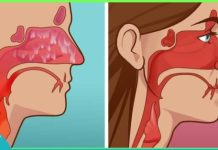
Beyond brainwave theories, there are more practical health considerations. Pets shed fur and dander, which can accumulate in bedding. Animal dander is a common allergen and may trigger allergic reactions in sensitive individuals. Symptoms can include sneezing, nasal congestion, itchy eyes, coughing, or even asthma flare-ups.
Additionally, pets can carry dirt, bacteria, or parasites from outside environments into the bed. Even indoor cats and dogs may bring microscopic organisms into close contact with their owners. For individuals with weakened immune systems, chronic respiratory issues, or severe allergies, sharing a bed with pets may increase health risks.
Another factor is sleep fragmentation. Pets may move frequently during the night, scratch, stretch, snore, or wake up earlier than their owners. These movements can disrupt sleep cycles and prevent the human brain from completing full restorative stages.
Emotional and Psychological Benefits
However, the issue is not entirely negative. Many pet owners report improved emotional well-being when sleeping near their animals. Physical contact with pets can increase the release of oxytocin, sometimes called the “bonding hormone,” which promotes feelings of safety and relaxation. For individuals who struggle with anxiety, loneliness, or stress, the presence of a pet can provide comfort and emotional security.
Some studies suggest that the rhythmic breathing of a pet and the warmth of its body may help certain individuals fall asleep more easily. Dogs, in particular, may provide a sense of protection that enhances psychological calmness at night.
For people living alone, elderly individuals, or those experiencing emotional distress, the companionship of a pet can reduce feelings of isolation. In such cases, the psychological benefits may outweigh potential minor sleep disturbances.
Balancing Risks and Benefits
The impact of sleeping with pets varies from person to person. For healthy individuals without allergies and with stable sleep patterns, allowing a pet to sleep nearby may not cause significant harm. However, for people prone to insomnia, allergies, asthma, or weakened immunity, keeping pets out of the bed may improve sleep quality and overall health.
Experts often recommend compromise solutions. For example:
Allowing pets to sleep in the bedroom but on their own bed.
Washing bedding frequently to reduce allergens.
Grooming pets regularly to minimize shedding.
Establishing consistent sleep routines for both owner and pet.
It is also important to observe personal sleep quality. If someone wakes up feeling unrested, experiences frequent awakenings, or develops allergy symptoms, adjusting sleeping arrangements may be beneficial.
Conclusion
Sleeping with pets is neither entirely good nor entirely bad for health. Scientifically, deep sleep requires proper brainwave transitions, and environmental disturbances—including movement, noise, or even subtle stimuli—may affect this process. Hygiene and allergic risks are real considerations, particularly for sensitive individuals. However, emotional comfort, reduced anxiety, and companionship are meaningful psychological benefits that cannot be ignored.
Ultimately, the decision should depend on individual health conditions, sleep quality, and personal comfort. For some, sharing a bed with a beloved pet strengthens emotional well-being and promotes relaxation. For others, it may contribute to insomnia or allergic discomfort. Understanding both the physiological and psychological aspects allows pet owners to make informed choices that support both their health and their bond with their animals.