















In our modern world, many of us spend long hours sitting at work every day. Prolonged sitting can lead to discomfort and swelling in the limbs, particularly in the ankles and feet. Swollen limbs, or edema, are not only uncomfortable but can sometimes indicate underlying health issues. While it is always important to consult a doctor to rule out serious conditions, there are numerous natural methods that can help reduce swelling caused by travel, extended periods of sitting, or even pregnancy. By trying some of these simple strategies, you can experience relief and improve circulation in your legs and feet.
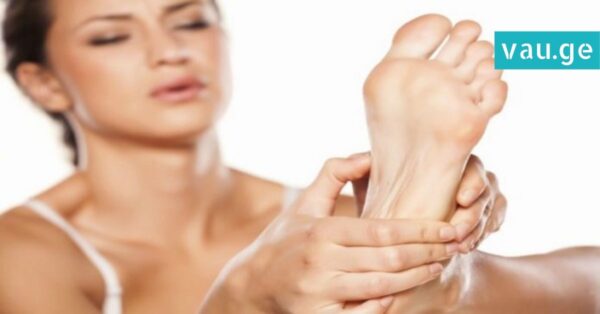
Here are six highly effective natural methods to alleviate swelling in your limbs:
1) Elevate Your Feet
One of the simplest yet most effective ways to reduce swelling is to elevate your feet. Positioning your legs above the level of your heart for about 30 minutes every day allows gravity to assist in draining excess fluid from the lower limbs. This practice reduces pressure in the veins, helps prevent fluid accumulation, and relieves discomfort. It is particularly beneficial after a long day of standing or sitting, as it encourages proper blood flow and reduces fatigue in the feet and ankles. You can lie down on a sofa or bed and place your feet on a stack of pillows or a footrest to achieve the proper elevation. Regularly elevating your feet can gradually improve circulation and prevent future swelling.
2) Drink Plenty of Water
Although it may seem counterintuitive, drinking sufficient water is essential to reduce swelling. When your body is dehydrated, it tends to retain water, which can worsen edema. Drinking plenty of water flushes out excess salts and toxins from the body, helping to balance fluid levels. In addition to preventing swelling, proper hydration supports kidney function, improves digestion, and boosts overall energy levels. Experts recommend drinking at least eight glasses of water daily, but the exact amount may vary depending on your activity level, climate, and individual health needs. Herbal teas and water-rich fruits and vegetables can also contribute to maintaining optimal hydration.
3) Soak Your Feet in Saltwater
Soaking your feet in a warm saltwater solution is another effective way to relieve swelling. Salt has properties that help reduce inflammation and draw excess fluid out of tissues. To prepare a foot soak, dissolve a generous amount of salt in warm water and immerse your feet for 15–20 minutes. This practice not only eases swelling but also relaxes tired muscles, improves circulation, and provides a soothing effect. You can enhance the experience by adding a few drops of essential oils such as lavender or peppermint, which provide additional relaxation and promote blood flow. Regular foot soaks can be especially helpful after long periods of standing, walking, or traveling.
4) Include Magnesium in Your Diet
Magnesium is a vital mineral that is often overlooked but plays a crucial role in maintaining fluid balance in the body. It helps regulate blood pressure, supports heart health, strengthens the immune system, and reduces inflammation. A deficiency in magnesium can contribute to water retention and swelling. Foods rich in magnesium include whole grains, legumes, nuts, eggs, yogurt, moderately fatty milk, dark leafy greens, fish, lean meats, and poultry. Ensuring adequate magnesium intake through diet or supplements can help minimize swelling, improve overall wellness, and support the body’s natural anti-inflammatory processes.
5) Use Apple Cider Vinegar
Apple cider vinegar is a natural remedy that has been used for centuries for its therapeutic properties. One of its benefits is its ability to help reduce fluid retention. When consumed or applied topically, apple cider vinegar can help your body eliminate excess fluids, which eases swelling and discomfort. To use it externally, dilute apple cider vinegar in water and gently massage it onto the affected area. This can help stimulate circulation, reduce fluid buildup, and provide relief from the heaviness and stiffness associated with swollen limbs. Drinking a small amount of diluted apple cider vinegar daily may also support overall fluid balance and enhance kidney function.
6) Exercise Regularly
Movement is one of the most important methods to prevent and reduce swelling in the legs and feet. Regular physical activity encourages blood circulation and prevents fluids from pooling in the lower limbs. Cardiovascular exercises such as walking, jogging, swimming, and cycling are particularly effective at promoting circulation. Yoga and stretching exercises also help improve blood flow and flexibility while reducing tension in the muscles. Even gentle daily movement, like short walks during breaks or light stretching, can prevent swelling caused by prolonged sitting or standing. Avoid remaining in one position for too long and try to incorporate movement throughout your day to support healthy circulation.
Additional Tips for Preventing Swelling
In addition to the six primary methods mentioned above, there are several other lifestyle adjustments that can help reduce edema. Wearing compression socks can support circulation in the legs and minimize fluid retention. Reducing the consumption of salty foods helps prevent water retention, while maintaining a balanced diet with plenty of fruits and vegetables provides essential nutrients and antioxidants that improve vascular health. Elevating the legs while sleeping and avoiding tight clothing around the calves and ankles can also help reduce pressure and swelling.
Conclusion
Swollen limbs can cause significant discomfort and affect daily life, but natural remedies provide simple, effective, and accessible solutions. By elevating your feet, staying hydrated, soaking your feet in saltwater, ensuring adequate magnesium intake, using apple cider vinegar, and exercising regularly, you can significantly reduce swelling and improve circulation. These practices not only relieve immediate discomfort but also contribute to long-term vascular and overall health.
Have you tried any of these methods? Share your experience with us and let us know which technique helped you alleviate swelling and improve your comfort. Regular attention to your circulation and fluid balance can make a noticeable difference in your energy, mobility, and overall quality of life. By incorporating these simple, natural strategies into your daily routine, you can take control of your health and enjoy the freedom of pain-free, energized limbs.








































