











Simple Exercises to Improve Blood Circulation and Protect Your Health
Poor blood circulation is a common yet often overlooked health issue that can affect both men and women of all ages. While it may seem like a minor inconvenience at first, poor circulation can lead to serious health complications if left unaddressed. Many people experience symptoms such as constant fatigue, cold hands and feet even in warm weather, frequent mood swings, and an unexplainable feeling of hunger. These signals from the body are often dismissed, but they are strong indicators that your circulatory system may not be functioning properly.
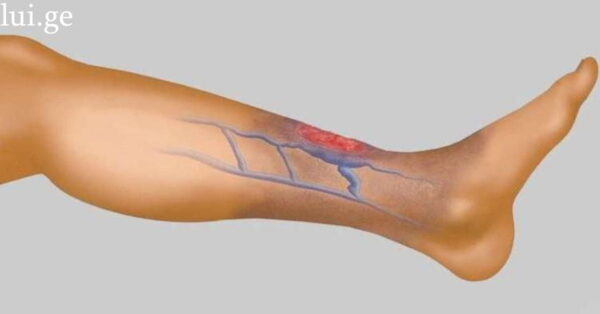
The causes of poor blood circulation are varied, but the most significant contributors remain unhealthy dietary habits and a sedentary lifestyle. Lack of physical activity, combined with processed, nutrient-poor foods, sets the stage for circulatory problems that can escalate into dangerous conditions, including atherosclerosis (the buildup of fatty plaques in arteries). When blood flow is obstructed by these plaques, the risk of heart attack, stroke, varicose veins, ulcers, and even limb amputation dramatically increases.
The good news is that you can take proactive steps to support your circulatory system. With simple lifestyle adjustments and targeted exercises, you can dramatically improve blood flow, boost energy, and prevent long-term complications.
Why Circulation Matters
Your circulatory system is the lifeline of your body. It delivers oxygen and nutrients to your cells while removing carbon dioxide and other waste products. When circulation is strong, your organs, muscles, and tissues function at their best. But when it is weak, the consequences can be widespread, ranging from fatigue and cold extremities to life-threatening cardiovascular disease.
Healthy blood flow also supports your immune system, skin health, brain function, and even digestion. Therefore, maintaining circulation is not only about avoiding serious illnesses but also about improving overall quality of life.
Symptoms of Poor Circulation
Recognizing the early warning signs of poor circulation allows you to act before more serious conditions develop. Common symptoms include:
Constant tiredness and lack of energy
Cold hands and feet, even during warm weather
Tingling, numbness, or cramps in the extremities
Mood swings and irritability
Persistent feelings of hunger
Slow healing of wounds
Varicose veins or swelling in the legs
If you experience several of these symptoms regularly, it may be time to adopt healthier habits and exercises to promote better circulation.
Simple Exercises to Improve Circulation
You don’t need expensive gym memberships or complicated workout routines to improve your circulation. The following exercises can be done at home, require little to no equipment, and only take a few minutes each day.
1. Neck Exercises
Neck stiffness often restricts blood flow to the brain and upper body. Gentle movements can release tension and improve circulation:
Slowly turn your head to the left and hold the position for a few seconds.
Return to the center and then turn your head to the right, holding again.
Repeat this sequence ten times.
Afterward, gently tilt your head up and down in a slow, controlled manner. Repeat ten times.
These simple movements enhance blood supply to the brain, reduce stiffness, and help prevent headaches caused by poor circulation.
2. Stretching
Stretching should always be the foundation of your exercise routine. It stimulates blood flow, warms up the muscles, and reduces the risk of injury during more intense activities. Focus on stretching your arms, legs, back, and shoulders. Even five minutes of gentle stretching in the morning can prepare your body for the day and ensure better oxygen delivery to your muscles.
3. Push-Ups
Push-ups are an excellent way to engage multiple muscle groups and promote circulation in the arms and chest.
Perform ten push-ups in the morning before breakfast.
If traditional push-ups are too difficult, start with modified push-ups on your knees.
This exercise strengthens muscles, raises the heart rate, and encourages blood flow throughout the upper body.
4. Hand and Finger Movements
Simple hand exercises can prevent stiffness, cramps, and poor circulation in the fingers:
Slowly clench your hand into a fist and release it.
Repeat this movement ten times with each hand.
This exercise is especially helpful for people who spend long hours typing or working with their hands. It improves mobility, prevents cramps, and boosts circulation in small vessels.
5. Walking and Hiking
Walking is one of the most effective and accessible exercises to support circulation. It strengthens leg muscles, reduces arterial stiffness, and improves blood flow, especially in the lower extremities.
Aim to walk briskly at least three times a week.
Even short 15–20-minute walks around your neighborhood can significantly improve circulation.
Walking outdoors also reduces stress, strengthens the lungs, and provides mental clarity.
6. Dancing
Dance is not only fun but also an excellent full-body workout. Whether it’s salsa, ballroom, hip hop, or simply moving to your favorite music at home, dancing raises the heart rate, enhances circulation, and releases endorphins that reduce stress.
Just 30 minutes of dancing per day can greatly improve your health and mood.
The beauty of dance is its versatility—any style counts, and you don’t need formal training to enjoy the benefits.
Lifestyle Tips for Healthy Circulation
Exercise alone is not enough; your lifestyle choices play a crucial role in circulation as well. Here are additional tips:
Eat a balanced diet: Focus on fruits, vegetables, whole grains, lean proteins, and healthy fats. Avoid processed foods, excessive sugar, and trans fats that contribute to arterial plaque.
Stay hydrated: Water helps keep blood volume adequate and supports efficient circulation.
Quit smoking: Smoking damages blood vessels, reduces oxygen in the blood, and restricts circulation.
Manage stress: Chronic stress increases blood pressure and restricts circulation. Relaxation practices such as yoga, meditation, or deep breathing exercises can help.
Wear comfortable clothing: Avoid tight clothing that restricts blood flow to the arms or legs.
Elevate your legs: If you spend long hours sitting, elevate your legs for 15 minutes a day to improve circulation and reduce swelling.
Preventing Serious Complications
Improving circulation isn’t just about feeling more energetic or keeping your hands warm. It is a vital step in preventing severe health conditions. Poor circulation can lead to:
Atherosclerosis: Hardening of the arteries due to plaque buildup
Heart attack and stroke: Blockages caused by restricted blood flow
Varicose veins and ulcers: Painful and difficult-to-heal leg conditions
Amputation: Severe circulation problems can sometimes result in limb loss
By taking action early through exercise and lifestyle changes, you significantly reduce the risk of these complications.
Conclusion
Poor circulation is a silent problem that can have serious consequences if ignored. However, with just a few minutes of simple exercises each day—such as neck stretches, push-ups, hand movements, walking, and dancing—you can improve blood flow, energize your body, and protect your long-term health.
Coupled with a balanced diet and healthy lifestyle choices, these exercises are your natural defense against cardiovascular disease, fatigue, and other circulation-related problems. Remember: small daily habits can make a big difference in your health. Start today, and your body will thank you for years to come.