














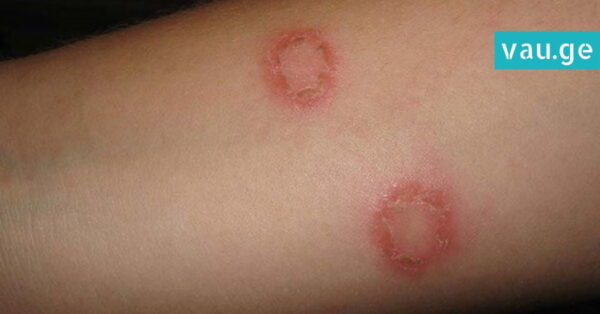
What you see in this photo is ringworm, also known as tinea corporis. Ringworm is a contagious skin condition caused by a parasitic fungus of the Trichophyton species. This fungal infection is not caused by a worm, as the name might suggest, but by dermatophyte fungi that thrive on keratin found in the skin, hair, and nails.
Symptoms and Signs of Ringworm
When ringworm appears on the skin, it is usually characterized by round, red, and inflamed patches that may be slightly raised. The edges of these patches can be scaly and may develop small blisters. Ringworm often causes itching, discomfort, and irritation in the affected area. One of the main concerns about ringworm is its contagious nature. It can be transmitted from person to person through direct contact or indirectly via contaminated objects such as clothing, towels, bedding, or hairbrushes. Children and people with weakened immune systems are particularly susceptible to contracting this infection.
Causes of Ringworm
The infection occurs when the parasitic fungus, Trichophyton, comes into contact with the skin and begins to multiply. Several factors increase susceptibility to ringworm:
Sharing clothing, towels, or bedding with an infected person.
Poor hygiene or excessive moisture on the skin.
Contact with contaminated surfaces in gyms, locker rooms, or swimming pools.
Close contact with infected animals, such as cats, dogs, or livestock.
Weakened immunity due to illness, stress, or chronic conditions.
It is important to recognize that ringworm can affect anyone, regardless of age, gender, or background. Left untreated, the infection can spread to other areas of the body or to other individuals in the household.
Conventional and Natural Treatment Options
While conventional treatment for ringworm typically involves antifungal creams, ointments, or oral medications, there are also natural remedies that can be effective in managing and treating the condition. These natural methods can complement medical treatments or serve as preventive measures for mild infections. Here are some of the most widely used natural remedies:
1. Garlic
Garlic is well-known for its strong antibacterial and antifungal properties. To use garlic for ringworm:
Crush fresh garlic cloves into a paste.
Apply the paste directly to the affected area.
Leave it on for a few hours or overnight, then wash off gently.
Garlic contains allicin, a compound with powerful antimicrobial effects that can help inhibit fungal growth and speed up healing. Regular application can reduce inflammation and itching.
2. Apple Cider Vinegar
Apple cider vinegar (ACV) is a versatile natural remedy that has been used for centuries to combat bacterial and fungal infections. For ringworm:
Soak a cotton ball in raw apple cider vinegar.
Apply it directly to the infected skin.
Repeat this process 2–3 times a day.
ACV has acidic properties that create an environment hostile to the fungus, slowing its growth and helping the skin recover.
3. Tea Tree Oil
Tea tree oil is another effective antifungal agent. To use:
Mix equal parts of tea tree oil and water.
Apply the mixture to the affected area using a cotton swab.
Tea tree oil has been shown in studies to combat dermatophyte fungi and reduce the symptoms of itching, redness, and inflammation associated with ringworm. Regular use can prevent the infection from spreading to other parts of the body.
4. Aloe Vera
Aloe vera is famous for its soothing and healing properties. It contains vitamin E and other compounds that help repair skin damage and reduce inflammation. To use aloe for ringworm:
Apply fresh aloe vera gel directly to the affected area.
Leave it on for at least 30 minutes before rinsing.
Repeat 2–3 times daily.
Aloe vera not only helps treat the infection but also prevents scarring and promotes overall skin health.
5. Coconut Oil
Coconut oil contains medium-chain fatty acids, such as lauric acid, which have antifungal properties. For ringworm treatment:
Apply a thin layer of coconut oil to the infected skin.
Massage gently 2–3 times a day.
Coconut oil helps moisturize the skin while simultaneously inhibiting fungal growth. Its natural antibacterial properties can also help prevent secondary infections.
6. Lavender Oil
Lavender essential oil is known for its calming, anti-inflammatory, and antifungal effects. To use lavender oil:
Apply 2 drops of lavender oil directly to the affected area.
Massage gently into the skin.
Repeat daily.
Lavender oil helps reduce itching and redness, promoting faster recovery while soothing irritated skin.
7. Fenugreek Seeds
Fenugreek seeds have natural antifungal and antimicrobial properties. To use them for ringworm:
Soak 1 tablespoon of fenugreek seeds in water for 30 minutes.
Grind the seeds into a paste.
Apply the paste to the infected skin and leave it on until dry.
Fenugreek helps fight the fungal infection while also reducing inflammation and supporting the healing process.
8. Oregano Oil
Oregano oil is a potent natural remedy for skin infections due to its high carvacrol content, which exhibits strong antifungal effects. To use:
Apply diluted oregano oil to the affected area using a cotton swab.
Repeat several times daily for best results.
Oregano oil can help treat fungal infections that cause rashes, itching, and skin irritation.
9. Camphor Oil
Camphor oil has long been recognized for its medicinal properties, particularly in treating fungal skin infections like ringworm. To use:
Apply camphor oil to the affected area 2–3 times daily.
Massage gently to enhance absorption.
Camphor oil’s antifungal and cooling properties help reduce inflammation, itching, and redness, accelerating the healing process.
Additional Tips for Preventing Ringworm
Maintain good personal hygiene and wash your hands regularly.
Avoid sharing towels, clothing, and bedding with others.
Keep skin clean and dry, as fungi thrive in warm, moist environments.
Wear breathable fabrics, especially in areas prone to sweating.
Disinfect surfaces such as gym equipment, mats, and floors to reduce the risk of spreading fungi.
Monitor pets for signs of fungal infections and treat them promptly if needed.
Conclusion
Ringworm is a common yet treatable fungal skin infection. While conventional antifungal medications are effective, natural remedies can provide additional support, reduce inflammation, soothe itching, and promote skin healing. Garlic, apple cider vinegar, tea tree oil, aloe vera, coconut oil, lavender oil, fenugreek seeds, oregano oil, and camphor oil all have proven antifungal properties and can be incorporated into a treatment routine.
Consistency is key when using natural remedies, as fungal infections require sustained treatment to ensure complete eradication. Additionally, practicing good hygiene and avoiding contaminated items can prevent reinfection or the spread of ringworm to others. Combining natural remedies with proper medical guidance can help achieve faster and more effective results while promoting overall skin health.
Remember, while natural remedies are generally safe, it is always advisable to consult a healthcare professional before starting treatment, especially in cases of severe infection, large affected areas, or underlying health conditions. By taking a holistic approach to care, you can manage and treat ringworm effectively, restore healthy skin, and prevent future infections.








































