









Psyllium (Plantain): One of Nature’s Most Powerful Healing Plants
Introduction
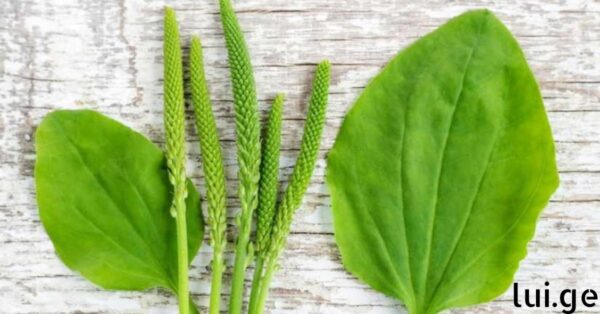
In the world of natural medicine, there are certain plants that have stood the test of time, earning a reputation for their ability to heal, restore, and support human health in profound ways. Among these is Psyllium, also known in many traditions as Plantain (Plantago major) or in Georgian folk medicine as “მრავალძარღვა”. While often dismissed as nothing more than a stubborn weed that grows in gardens, fields, or even between cracks in sidewalks, this plant is in fact a powerhouse of nutrition and natural healing compounds.
For centuries, plantain has been used across cultures for a wide range of health concerns—from wound healing and digestive balance to respiratory problems and women’s health issues. Traditional healers considered it one of nature’s great gifts, a plant that could be used both topically and internally to treat countless ailments. Modern herbalists and scientific research now confirm what ancient traditions have long known: plantain is far more than just a weed—it is one of the strongest natural medicines available.
This article explores the five major reasons why psyllium (plantain) is considered one of the most powerful herbal medicines, its nutritional profile, historical uses, scientific evidence, and practical ways you can incorporate it into your daily life.
A Brief History of Plantain in Herbal Medicine
Plantain is native to Europe and Asia, but over centuries it spread worldwide, adapting to different climates and soils. Indigenous peoples in North America quickly recognized its healing power and referred to it as the “white man’s footprint” because it appeared wherever European settlers traveled. In medieval Europe, it was one of the nine sacred herbs recommended by Anglo-Saxon herbalists and was even praised by Hippocrates, the father of modern medicine.
The leaves, seeds, and roots of plantain have been used in teas, tinctures, poultices, and extracts. Its versatility made it a staple in homes where professional medicine was unavailable. Whether treating wounds in battlefields, soothing stomach ailments, or relieving coughs, plantain was always within reach.
Nutritional Profile: Why Plantain Is So Effective
Plantain is packed with beneficial compounds that give it both nutritional and medicinal value. Its primary components include:
Vitamins: A, C, K, and several B vitamins that support immune and skin health.
Minerals: Calcium, magnesium, potassium, silica, and zinc, which are vital for bone strength, tissue repair, and overall balance.
Phytochemicals: Flavonoids, iridoid glycosides (like aucubin), tannins, and mucilage—all contributing to its antibacterial, anti-inflammatory, and wound-healing properties.
Fiber: Especially in the seeds (psyllium husks), which act as a gentle bulk-forming laxative and digestive regulator.
These compounds explain why plantain works across multiple systems in the body, from digestion to circulation.
Five Major Healing Benefits of Psyllium (Plantain)
1. A Natural Wound Healer
One of the most famous traditional uses of plantain is for wound care. The fresh leaves, when crushed or chewed, release natural juices rich in aucubin and tannins. These compounds act as natural antimicrobials, helping prevent infection, and also accelerate tissue repair.
How it works: Aucubin has been shown to draw out toxins and neutralize venoms from insect bites or stings. Tannins tighten tissue and stop bleeding, while mucilage soothes inflamed skin.
Traditional method: In many rural areas, people would simply pick a plantain leaf, chew it, and place it directly on a cut, insect bite, or bee sting. Within minutes, pain and swelling were reduced.
Even today, herbal first-aid kits often recommend dried or fresh plantain for outdoor injuries.
2. Aids Healthy Digestion and Gut Healing
Modern lifestyles, antibiotic use, and exposure to pesticides often disrupt the digestive system. Plantain offers a natural solution. Both its leaves and seeds are known to:
Reduce intestinal inflammation
Calm irritation from food allergies
Support recovery from antibiotic-induced dysbiosis
Help repair the intestinal lining damaged by toxins or conditions like leaky gut
When steeped in water, the leaves release mucilage, a soothing gel-like substance that coats the digestive tract and promotes healing. The seeds, particularly psyllium husks, are widely used today in supplements to support bowel regularity and treat constipation.
Practical use: Drinking plantain tea or adding psyllium husks to water daily can improve digestion, ease bloating, and promote healthy elimination.
3. Supports Respiratory Health and Reduces Inflammation
Plantain is rich in silica and mucilage, making it a powerful expectorant and soothing agent for the respiratory system. Traditionally, it was used to relieve:
Chronic coughs
Bronchitis
Asthma symptoms
Seasonal allergies
By thinning mucus and reducing irritation, plantain helps clear the airways and ease breathing. Unlike many pharmaceutical expectorants, it is gentle enough for children and long-term use.
Herbal remedy: Plantain tea combined with honey has long been used as a cough syrup in folk medicine.
4. Effective Remedy for Hemorrhoids and Urinary Health
The astringent properties of plantain make it an excellent topical remedy for hemorrhoids. When applied as a poultice or included in ointments, it reduces swelling, bleeding, and pain.
Plantain also benefits urinary health, particularly in cases of cystitis (bladder inflammation with bleeding). By tightening tissues and soothing inflammation, it helps the bladder heal more quickly.
Practical application: Plantain-based creams or sitz baths are recommended for hemorrhoids, while plantain tea can aid urinary discomfort.
5. A Broad-Spectrum Healer for Blood and Systemic Diseases
Perhaps the most impressive aspect of plantain is its wide-ranging impact on systemic diseases. Traditional healers believed it could treat “almost everything,” and modern studies support many of these claims.
Blood purification: Plantain is believed to help detoxify the blood and improve circulation.
Arthritis relief: Its anti-inflammatory compounds reduce joint pain and swelling.
Women’s health: Used for regulating menstrual cycles, easing cramps, and addressing reproductive system issues.
Skin conditions: Effective against rashes, eczema, acne, and chronic wounds.
Heavy metal detoxification: Folk medicine recommends it for mercury poisoning and other toxic exposures.
Dr. John R. Christopher, a famous American herbalist, once described plantain as a “panacea for human health,” emphasizing that its versatility made it invaluable for both acute and chronic conditions.
Scientific Evidence Supporting Plantain’s Benefits
Modern research is beginning to validate what traditional healers have known for centuries. Some notable findings include:
Antimicrobial action: Extracts of plantain show strong antibacterial effects against pathogens like Staphylococcus aureus and Escherichia coli.
Anti-inflammatory activity: Studies confirm plantain reduces pro-inflammatory markers, helping in conditions like arthritis and colitis.
Wound healing: Laboratory studies demonstrate accelerated tissue repair and reduced infection risk in plantain-treated wounds.
Respiratory relief: Clinical studies have shown plantain-based syrups improve cough severity and mucus clearance in patients with chronic bronchitis.
These findings highlight plantain’s importance as a scientifically relevant herbal medicine.
How to Use Psyllium (Plantain) Safely
Fresh Leaves: Chew and apply directly to insect bites, stings, or wounds.
Tea or Infusion: Steep dried leaves in hot water for 10–15 minutes to soothe digestion or respiratory problems.
Psyllium Husk: Mix one tablespoon in a glass of water, stir quickly, and drink immediately for digestive support.
Poultice or Creams: Apply externally for hemorrhoids, skin rashes, or inflammation.
Tinctures: Alcohol-based extracts provide concentrated benefits, particularly for systemic conditions.
Precautions
While generally safe, plantain should be used with care:
Drink plenty of water with psyllium husks to avoid intestinal blockage.
People with severe food allergies should test small doses first.
Pregnant or breastfeeding women should consult a healthcare provider before taking concentrated forms.
Conclusion
What may appear as a humble roadside weed is, in fact, a multifunctional healing plant with extraordinary benefits. From wound healing and digestive balance to respiratory support, urinary health, and systemic disease treatment, plantain has earned its reputation as a near-panacea. Its combination of nutrients, fibers, and bioactive compounds make it both a food and medicine—one that bridges the gap between folk wisdom and modern science.
Incorporating plantain into your daily life—whether through teas, fresh leaves, psyllium husks, or topical applications—offers a simple, natural, and cost-effective way to support your health. As history, tradition, and research all confirm, psyllium (plantain) truly deserves its place among the strongest natural medicines known to humanity.








































