















Leek (Allium porrum) is a perennial herbaceous plant that belongs to the Allium family, the same group as garlic and onion. It consists of white, thin, fleshy layers and has a mild, pleasant flavor that makes it popular in many cuisines around the world. The stalk of the leek is rich in carbohydrates, protein, and vitamin C, while its leaves contain vitamins C, B1, B2, PP, and carotene. Leek is a cold-resistant plant, propagated both by seeds and seedlings, which makes it easy to cultivate in different climatic conditions.
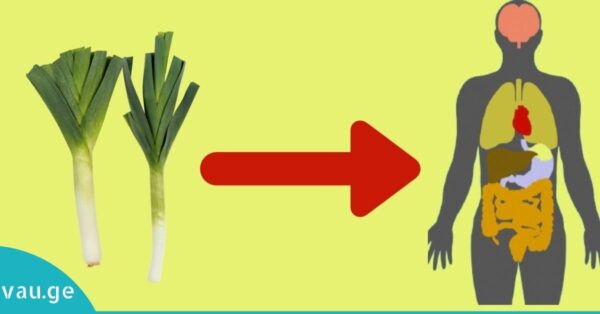
Nutritional Value and Composition
One of the main advantages of leek is its impressive nutritional profile. This vegetable contains up to 80% water, which makes it light, hydrating, and easy to digest. At the same time, it provides slowly absorbed carbohydrates that help maintain stable energy levels throughout the day. In addition to carbohydrates, leek is rich in essential vitamins such as vitamin C, vitamin K, vitamin E, and folic acid, all of which play an important role in maintaining overall health.
Leek is widely used in cooking, both raw and pickled. Its leaves and stalk are used in soups, salads, stews, side dishes, and even as a seasoning. Thanks to its delicate taste, leek enhances dishes without overpowering other ingredients.
Nutritional Content per 100 Grams of Leek
Carbohydrates: 11.2 g
Dietary fiber: 1.3 g
Protein: 2.2 g
Lipids (fats): 0.3 g
Calcium: 52 mg
Phosphorus: 50 mg
Sodium: 5 mg
Vitamin A
Vitamin C
Trace amounts of healthy fats
This combination of nutrients makes leek a valuable addition to a balanced diet, especially for those who want to eat healthily without consuming excessive calories.
Leek as a Natural Antibiotic
According to scientific research, leek contains allicin, a sulfur-containing compound known for its powerful antibacterial properties. Allicin is also found in garlic and is responsible for many of the health benefits associated with Allium vegetables. This compound helps the body fight harmful bacteria that can cause mucus buildup and skin infections, as well as disrupt the gastrointestinal tract.
Because of these antibacterial effects, leek is often considered a natural antibiotic. Regular consumption may help strengthen the immune system and reduce the risk of infections, especially during colder seasons when colds and flu are more common.
Proven Health Benefits
Clinical studies have confirmed that leek has a wide range of positive effects on the body. It helps regulate metabolism and stimulates the secretory functions of the digestive glands, which improves digestion and nutrient absorption. Leek also has diuretic and choleretic properties, meaning it helps the body eliminate excess fluids and supports bile production, which is essential for fat digestion.
Additionally, leek improves liver function, increases appetite, and has anti-sclerotic properties, helping to reduce the buildup of harmful cholesterol in blood vessels. Because of these effects, its consumption is recommended for people suffering from atherosclerosis, obesity, rheumatism, and gout.
Benefits for Blood and Circulatory Health
Leek plays an important role in blood purification and helps regulate hemoglobin levels. Thanks to its mineral content, especially iron-related compounds and vitamin C (which improves iron absorption), leek supports healthy blood formation and circulation. This makes it beneficial for people who experience fatigue, weakness, or mild anemia.
Its positive effects on blood vessels and circulation also contribute to improved cardiovascular health. Regular consumption may help reduce the risk of heart-related diseases by supporting healthy cholesterol levels and improving blood flow.
Respiratory and Immune System Support
Leek has long been used in traditional medicine to support respiratory health. It helps improve the function of the respiratory system and is effective in fighting diseases of the nose and throat. Its antibacterial and anti-inflammatory properties make it useful for relieving symptoms of colds, sore throat, sinus issues, and mild respiratory infections.
By strengthening the immune system, leek helps the body better defend itself against viruses and bacteria. This is particularly important during seasonal changes, when the immune system is more vulnerable.
Digestive Health and Detoxification
Thanks to its fiber content, leek supports healthy digestion and promotes regular bowel movements. Fiber helps cleanse the intestines, remove toxins, and maintain a healthy gut environment. Leek also supports beneficial gut bacteria, which play a crucial role in overall health, immunity, and even mental well-being.
Its detoxifying properties help the body eliminate harmful substances, making leek an excellent choice for people looking to cleanse their system naturally.
Leek in Weight Management
Because leek is low in calories and high in water and fiber, it is ideal for people who want to lose or maintain weight. It provides a feeling of fullness, reduces overeating, and supports a healthy metabolism. The slow absorption of carbohydrates helps prevent sudden spikes in blood sugar levels, which is especially beneficial for people with insulin sensitivity issues.
Culinary and Everyday Use
Leek is extremely versatile in the kitchen. It can be consumed raw in salads, lightly sautéed, added to soups, or used as a base for sauces and stews. Pickled leek is also popular and retains many of its beneficial properties. When cooked properly, leek maintains its nutritional value while becoming softer and easier to digest.
Natural Health Philosophy by Vau.ge
Vau.ge is a platform that offers advice on health, self-care, and everyday life. Our goal is to provide information about natural remedies and recipes that help you improve your health, enhance your beauty, and simplify daily tasks. Most importantly, all of this can be done at home, with pleasure and without unnecessary expenses.
Much of the information you find on our website can easily become part of your daily routine. By sharing your experience with friends and family, you help make life easier and healthier for even more people. Vau.ge aims to show that you do not need expensive procedures or products to be healthy, beautiful, and confident in your daily life.
With simple, natural ingredients that can often be found in your kitchen or garden, you can achieve impressive results. Leek is a perfect example of how an affordable, accessible vegetable can offer powerful health benefits and support your well-being naturally.