













Powerful Home Remedies for Cracked Heels: Simple, Fast, and Highly Effective
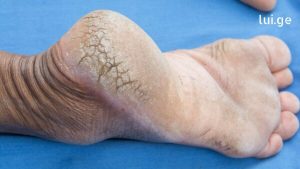
Cracked heels are not just a cosmetic concern—they can cause serious discomfort, pain, and long-term complications if ignored. This common foot problem affects millions of people worldwide, especially during dry seasons or in individuals who wear open shoes for long periods. The good news? You can heal cracked heels naturally at home with easy-to-make remedies that deliver amazing results in a short amount of time.
In this detailed guide, you’ll learn:
What causes cracked heels?
Why cracked heels should never be ignored
The role of mechanical and biochemical factors
Four highly effective natural remedies
Preventive measures for long-term foot health
Let’s dive in!
What Are Cracked Heels and Why Do They Happen?
Cracked heels, also known as heel fissures, occur when the skin on the bottom of the feet becomes dry, thick, and less elastic. Over time, this dryness leads to small splits in the skin, which can deepen into painful cracks. For many people, it starts as a minor cosmetic issue, but if untreated, it can progress to severe pain, infections, and mobility problems.
What Does It Feel Like?
Persistent burning sensation in the heels
Sharp, stabbing pain when walking or standing
Feeling as if you are walking on hot sand
Thick, rough, and hard skin on the heels
Visible fissures—first small and superficial, later deep and bleeding in severe cases
The Hidden Causes of Cracked Heels
Before jumping into remedies, it’s important to understand why heels crack. There are two main categories of causes: mechanical factors and biochemical factors.
1. Mechanical Factors
These are external physical factors that damage the skin surface or affect pressure distribution on the feet:
Wearing tight, uncomfortable shoes that restrict circulation or rub against the skin
Synthetic socks that do not allow the skin to breathe
Foot deformities, such as flat feet, which put extra stress on certain areas
Excessive dryness, often caused by:
Exposure to cold weather or dry indoor air
Standing for long hours on hard surfaces
Hot showers and harsh soaps that strip natural oils
When the outer layer of the skin becomes too dry, small cracks appear. These cracks can act as gateways for bacteria and fungi, leading to infections.
2. Biochemical Factors
Sometimes cracked heels indicate internal health issues. These include:
Protein and amino acid metabolism disorders
Reduced enzyme activity responsible for skin regeneration
Vitamin deficiencies, especially Vitamin A and Vitamin E
Hormonal imbalances, such as:
Thyroid disorders
Diabetes mellitus
Other endocrine-related conditions
If you experience chronic cracked heels that do not heal with home remedies, it’s important to consult a doctor to rule out underlying health conditions.
Top 4 Natural Remedies for Cracked Heels
Now that we’ve covered the causes, let’s move on to practical solutions. The best part? These remedies are easy to make, use simple ingredients, and work quickly.
1. Potato Compress for Healing and Softening
Why It Works:
Potatoes have a soothing, anti-inflammatory effect and help retain moisture in the skin. They also promote healing by improving skin elasticity.
You’ll Need:
2 medium-sized potatoes
Paper towels or clean cotton cloth
Calendula or St. John’s Wort oil (optional for extra nourishment)
How to Prepare:
Wash the potatoes thoroughly and grate them into a fine paste.
Spread the grated potato mixture on a paper towel or a piece of cotton cloth.
Place the compress on your heels and secure it.
Leave it for 2–3 hours.
After removing the compress, gently scrub your heels to remove dead skin.
Massage a few drops of calendula oil or St. John’s Wort oil into your heels for additional healing.
How Often to Apply:
Once a day for 5–7 consecutive days for best results.
2. Overnight Healing Mask with Fish Oil, Onion, and Aloe Vera
Why It Works:
Fish oil: Rich in omega fatty acids that restore skin elasticity
Onion juice: Natural antiseptic and promotes circulation
Aloe vera: Deeply hydrates and accelerates skin repair
Flour: Helps bind the mixture and improve adherence to the skin
You’ll Need:
3 tablespoons of fish oil
3 tablespoons of fresh onion juice
3 tablespoons of aloe vera gel or juice
A small amount of flour
How to Prepare:
Mix fish oil, onion juice, and aloe vera in a clean bowl.
Add enough flour to make a thick paste.
Apply the paste generously to your heels.
Cover with gauze or cotton socks and leave overnight.
In the morning, remove the mask and rinse your feet with an herbal decoction (such as chamomile or calendula tea).
How Often to Apply:
3–4 times per week until visible improvement.
3. Carrot and Honey Night Mask
Why It Works:
Carrots: Rich in beta-carotene and Vitamin A, which rejuvenate skin
Honey: A natural humectant and antibacterial agent, keeping skin soft and infection-free
You’ll Need:
1 medium carrot
1 tablespoon of honey
How to Prepare:
Grate the carrot into fine shreds.
Mix with honey in a 1:1 ratio.
Apply the mixture to your heels.
Cover with a soft cloth or wrap in cling film.
Leave it overnight.
Wash off in the morning with lukewarm water.
How Often to Apply:
3–4 times a week for soft, crack-free heels.
4. Herbal Foot Bath for Soothing and Healing
Why It Works:
Herbal decoctions soften callused skin, reduce inflammation, and promote healing.
Ingredients:
1 part Comfrey root (known for its wound-healing properties)
2 parts Sage leaves (antimicrobial, soothing)
3 parts Plantain leaves (anti-inflammatory and regenerative)
1 liter of water
How to Prepare:
Mix the herbs in the given ratio.
Take 1 teaspoon of the blend and pour 1 liter of boiling water over it.
Simmer on low heat for 10 minutes.
Let it cool to a comfortable temperature.
Soak your feet in the herbal bath for 15–20 minutes.
Repeat 2–3 times daily for severe cracks.
Bonus Remedy: Hot Sand Therapy
If you have access to clean sea sand, this old method can help:
Heat the sand in an oven.
Place it in a cloth bag (about 4 kg per bag).
Apply the warm sand to your heels for 10–15 minutes.
This therapy works because the heat improves blood circulation, and the minerals in the sand nourish the skin.
Essential Tips for Maximum Results
Consistency is key: Natural remedies take time—don’t stop after one application.
Moisturize daily: Use a good-quality foot cream or natural oil (like coconut or almond oil).
Wear breathable socks: Avoid synthetic materials.
Stay hydrated: Internal hydration matters as much as external care.
Check for underlying issues: If cracks keep returning, consult a doctor.
Prevention: Keep Cracked Heels Away for Good
Once your heels are healed, prevent recurrence by:
Exfoliating once a week with a pumice stone or foot scrub
Wearing comfortable shoes that fit properly
Avoiding walking barefoot on hard surfaces
Including Vitamin A and E-rich foods (like carrots, nuts, and leafy greens) in your diet
Final Thoughts
Cracked heels may seem like a small problem, but if ignored, they can lead to severe pain and infections. Luckily, nature offers safe and effective solutions—right in your kitchen and garden.
By following these simple yet powerful remedies, you can:
Heal cracks quickly
Relieve pain and burning
Restore softness and smoothness to your feet
So why wait? Start these treatments today and give your heels the care they deserve!