












Blood circulation in the body refers to the continuous movement of blood through the blood vessels, which is primarily ensured by the heart and the network of arteries, veins, and capillaries. The human circulatory system consists of three main types of blood vessels: arteries, veins, and capillaries. Arteries carry oxygen-rich blood away from the heart to the rest of the body. Veins return deoxygenated blood back to the heart, and the tiniest blood vessels, capillaries, deliver essential nutrients and oxygen to every single cell in the body.
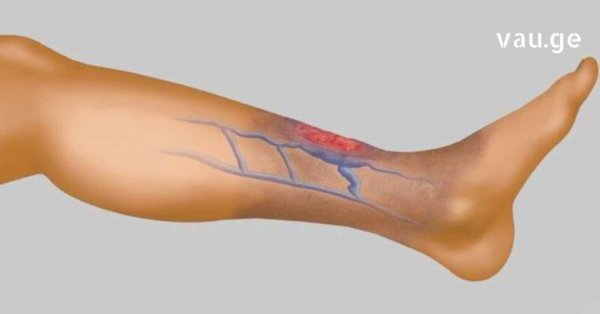
The walls of an artery are made up of three layers: the innermost layer , the middle layer , and the outer layer . Each layer plays a crucial role in maintaining the elasticity and strength of the vessel, allowing it to withstand the pressure generated by the pumping heart.
Maintaining good blood circulation is vital for overall health. Without it, the body cannot efficiently transport oxygen and nutrients to the tissues, nor can it remove waste products effectively. Unfortunately, many people regularly experience problems with their blood circulation, which can result in poor circulation. Poor blood flow can cause cold hands and feet, fatigue, dizziness, and in more severe cases, it may lead to cardiovascular issues or complications in other organs.
Fortunately, there are several natural and effective ways to improve blood circulation and restore warmth to the extremities. Below are some recommendations to help you boost circulation and support cardiovascular health.
Water
Adequate water intake is essential for a healthy body. Water helps maintain proper hydration, which in turn improves blood flow at the cellular level. When the body is dehydrated, blood becomes thicker, making it harder for the heart to pump it through the vessels efficiently. This can lead to reduced oxygen delivery to the tissues and a feeling of coldness in the hands and feet. Adults should aim to drink approximately 1.5 to 2 liters of water per day, depending on activity level and climate. Regular hydration not only supports circulation but also helps the body eliminate toxins, maintain skin health, and regulate body temperature.
Garlic
Garlic is an extraordinary vegetable with countless health benefits. It is widely recognized for its ability to enhance blood flow and reduce stress on the circulatory system. Numerous studies have confirmed that garlic is highly beneficial for cardiovascular health. It helps relax blood vessels, promotes the dilation of arteries, and prevents excessive clotting, which can reduce the risk of atherosclerosis—the buildup of fatty deposits in the arteries. Garlic also contains allicin, a compound that has anti-inflammatory and antioxidant properties, further supporting the health of the heart and blood vessels. Regular consumption of garlic, whether raw or cooked, can have long-term benefits for maintaining proper circulation and overall cardiovascular wellness.
Ginger
Ginger is another remarkable root with potent medicinal properties. It helps prevent the formation of blood clots in the body, reducing the risk of cardiovascular diseases. Ginger contains bioactive compounds such as gingerol and zingerone, which have a warming effect on the body. This thermogenic effect stimulates blood flow and helps deliver oxygen and nutrients more efficiently to tissues, particularly in the extremities. Including ginger in your diet, whether in teas, juices, or as part of meals, can significantly improve circulation and help combat the feeling of cold hands and feet.
Essential Oils: Ginger, Cinnamon, and Rosemary
Essential oils derived from ginger, cinnamon, and rosemary are known for their ability to expand blood vessels and improve surface-level blood flow. When applied topically in small amounts, these oils can create a mild warming effect on the skin, stimulating circulation. The thermogenic effect helps enhance the movement of blood through the capillaries, supporting tissue health and alleviating discomfort associated with poor circulation. However, it is important to follow instructions carefully when using essential oils to avoid irritation or adverse reactions. Dilution with a carrier oil is usually recommended before applying to the skin.
Cayenne Pepper
Cayenne pepper contains a compound called capsaicin, which activates blood flow throughout the body and organs. Capsaicin promotes vasodilation—the widening of blood vessels—allowing blood to move more freely and efficiently. It also helps relieve side effects associated with poor circulation, such as cold feet, numbness, or tingling in the extremities. Incorporating cayenne pepper into your diet, whether as a spice in meals or in herbal teas, can help boost circulation naturally and improve warmth in the hands and feet.
Additional Tips for Improving Circulation
While the above natural remedies are highly effective, combining them with lifestyle adjustments can further enhance circulation. Regular physical activity, even light exercises such as walking, stretching, or yoga, stimulates blood flow and strengthens the cardiovascular system. Avoiding prolonged periods of sitting or standing still can also help prevent stagnation of blood in the extremities.
Maintaining a balanced diet rich in fruits, vegetables, whole grains, and healthy fats supports vascular health. Foods high in antioxidants, such as berries and leafy greens, protect blood vessels from damage caused by free radicals, while omega-3 fatty acids found in fish or flaxseeds help reduce inflammation and improve arterial flexibility.
Stress management is another important factor. Chronic stress can negatively affect blood circulation by causing vasoconstriction—narrowing of blood vessels—and increasing blood pressure. Practices such as meditation, deep breathing exercises, and mindfulness can help maintain a healthy circulatory system.
Conclusion
In summary, maintaining healthy blood circulation is crucial for overall well-being. Poor circulation can lead to cold hands and feet, fatigue, and more serious cardiovascular problems. Natural remedies such as adequate hydration, garlic, ginger, essential oils, and cayenne pepper can significantly improve blood flow and warmth in the extremities. Combined with regular exercise, a nutritious diet, and stress management, these methods provide a comprehensive approach to enhancing circulation naturally.
By incorporating these practices into your daily routine, you can strengthen your circulatory system, support heart health, and maintain a more energetic, warm, and healthy body. Prioritizing natural ingredients and lifestyle changes is a safe and effective way to address circulation problems while promoting long-term well-being.