










When it comes to influenza (the flu), prevention is always better than cure. In modern healthcare, we essentially have two approaches: vaccination and natural prevention methods. While vaccination remains a widely promoted option, many families prefer to support their immune systems through natural means. In this article, we will focus on the latter—building a strong and resilient body that can resist not only influenza but also a wide variety of other pathogens.

Why Consider Natural Prevention?
The flu vaccine is a personal choice—every individual and family must decide whether or not to receive it. In my household, we prefer to avoid vaccination and instead rely on strengthening natural immunity. The beauty of this approach is that it does not protect against one specific virus alone but enhances the body’s defenses against many harmful microorganisms—viruses, bacteria, and even fungi.
Interestingly, most of the strategies that help prevent influenza are also the same ones used to reduce its severity if infection occurs. By applying these methods regularly, we create an environment in which illness is less likely to take hold in the first place.
Food as Medicine: Everyday Habits for Flu Prevention
Nutrition is the cornerstone of natural immunity. The food we eat directly influences the strength of our immune defenses, our energy levels, and even the health of our microbiome. Below are some of the most effective dietary strategies for preventing flu naturally.
1. Incorporate Immune-Boosting Foods Daily
Simple kitchen ingredients can serve as powerful shields against infection:
Onion and Garlic: These pungent vegetables contain sulfur compounds with strong antimicrobial properties. Regular consumption supports respiratory health and helps prevent the spread of viral infections.
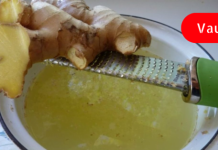
Spices: Turmeric, ginger, cloves, and black pepper stimulate circulation, reduce inflammation, and improve immune resilience.
Broths: Nutrient-rich broths made from vegetables, chicken, or beef bones provide minerals and amino acids that soothe the digestive system and strengthen the immune response.
Herbal Teas: Ginger tea, echinacea tea, and teas blended with cinnamon or licorice root provide warmth, antioxidants, and immune-enhancing compounds.
Colorful Fruits and Vegetables: A diet rich in natural pigments (red, orange, green, purple) supplies a wide range of vitamins, minerals, and phytonutrients that work together to keep immunity strong.
2. Avoid Excess Sugar
Sugar is one of the most harmful dietary components when it comes to immunity. Pathogenic bacteria and fungi thrive in a sugar-rich environment, especially within the gut. A diet high in sweets, desserts, sugary drinks, and fruit juices disrupts the balance of intestinal microflora and weakens natural defenses.
It is also important to note that refined flour and processed grains quickly convert into sugar once digested, producing the same negative effects. Replacing these foods with whole grains and fiber-rich carbohydrates can significantly improve immune strength.
3. Prioritize Protein in Every Meal
Proteins are essential building blocks for the immune system. Antibodies, enzymes, and immune cells are all made of protein. Without enough protein, the body cannot mount an effective defense.
Suitable protein sources include:
Animal-based proteins: lean beef, poultry, fish, eggs, dairy
Plant-based proteins: legumes, beans, lentils, seeds, and nuts
Including protein with each meal ensures the body has a steady supply of amino acids necessary for immune activity and detoxification.
4. Vitamin C – The Timeless Defender
Vitamin C remains one of the most effective and trusted immune boosters. It enhances the activity of white blood cells, accelerates healing, and acts as a powerful antioxidant.
Recommended daily intake for prevention: 1–2 grams per day (preferably in buffered form to protect the stomach).
Natural food sources: citrus fruits, kiwi, bell peppers, strawberries, and cruciferous vegetables such as broccoli.
Unlike some nutrients, vitamin C is water-soluble and easily eliminated from the body, so daily replenishment is essential.
5. Support Gut Health with Probiotics
A healthy gut is central to a strong immune system. The intestinal microbiome acts as a barrier against harmful pathogens and plays a crucial role in regulating immune responses.
A quality probiotic supplement should contain at least 5–10 billion live bacteria per capsule.
Recommended intake: 1 capsule, 2–3 times daily before meals.
For those who cannot afford supplements, fermented vegetables—such as sauerkraut, kimchi, or homemade pickles—provide natural probiotics that support gut flora balance.
6. Zinc – The Essential Immune Mineral
Zinc is a critical nutrient for immune function. It shortens the duration of colds, makes it harder for influenza viruses to replicate, and supports wound healing.
Recommended dose: 30–50 mg of zinc citrate daily.
Food sources rich in zinc: oysters, red meat (especially beef), pumpkin seeds, and legumes.
Consistent zinc intake during flu season can make a noticeable difference in resistance and recovery.
7. The Importance of Vitamin D – The Flu Season Game-Changer
Perhaps the most important nutrient in the fight against influenza is Vitamin D. Research increasingly shows that seasonal flu epidemics are closely tied to widespread vitamin D deficiency rather than the virus itself.
Vitamin D enhances the body’s ability to produce antimicrobial peptides, compounds that kill bacteria, viruses, and fungi.
Supplementation during winter is often necessary because sunlight exposure is limited.
The optimal prevention strategy is to maintain healthy vitamin D levels year-round.
To prevent possible toxicity, vitamin D is best taken together with Vitamin K2, which directs calcium to the bones and prevents buildup in soft tissues. Many high-quality supplements now combine these vitamins for safety and effectiveness.
Traditional Wisdom Meets Modern Knowledge
It is fascinating to realize that what our grandparents practiced intuitively is now being confirmed by modern science. For example, the “old-fashioned” tradition of giving children cod liver oil was, in reality, an effective way to ensure adequate vitamin D intake.
Similarly, the use of garlic, onion, and fermented foods has long been a part of folk medicine, and today these same foods are recognized as vital immune protectors. By combining the best of traditional remedies with modern nutritional understanding, we can create a well-rounded prevention plan.
Practical Daily Routine for Flu Prevention
Here’s how a typical day might look if you want to apply these strategies:
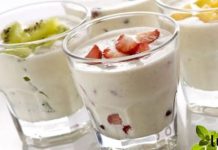
Morning: Warm water with lemon juice; a protein-rich breakfast (e.g., eggs or yogurt with seeds and nuts).
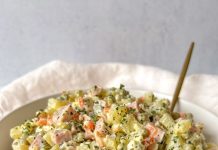
Midday: Fresh salad with colorful vegetables, beans or lean meat, olive oil, and garlic-based dressing.
Afternoon snack: Herbal tea with ginger and honey; a handful of pumpkin seeds for zinc.
Evening: Warm soup or broth with onions, garlic, and spices. A serving of fermented vegetables on the side.
Supplements: Vitamin C, Vitamin D (with K2), zinc, and probiotics as needed.
This balanced approach supports immunity while also promoting energy, digestive health, and overall wellbeing.
Conclusion
Preventing influenza naturally is not about relying on one “miracle cure” but about creating a lifestyle that supports immunity every day. While vaccination remains an option for some, natural methods such as healthy eating, strategic supplementation, and the use of traditional remedies can provide broad protection against many types of infections.
By focusing on foods like garlic, onions, spices, broths, and fermented vegetables—combined with essential nutrients such as Vitamin C, Zinc, and Vitamin D—we strengthen the body’s defenses in a safe and sustainable way.
Ultimately, the goal is not just to avoid the flu but to build a resilient, balanced immune system capable of defending us against a wide variety of health challenges throughout the year.