









Natural Remedies to Reduce Swelling: Gentle and Effective Solutions
Swelling, medically known as edema, occurs when excess fluid accumulates in the body’s tissues. While mild swelling may be harmless, it can sometimes signal more serious health conditions. Various factors can contribute to swelling, including pregnancy, high blood pressure, kidney issues, or prolonged periods of standing or sitting.
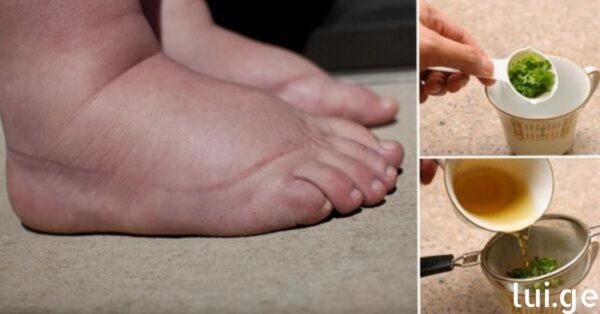
Although swelling can occur anywhere in the body, it is most commonly observed in the legs, ankles, and hands. Swelling may present as a subtle puffiness or as noticeable enlargement of the affected area. While minor swelling is often painless, it can cause discomfort, heaviness, or stiffness. It is essential to monitor swelling carefully, particularly if it occurs asymmetrically—for example, if one foot or arm is more swollen than the other—as this could indicate a blood clot or another serious medical issue. In such cases, prompt medical attention is required.
Fortunately, natural remedies offer safe, gentle, and effective ways to reduce swelling at home. These remedies have been used for centuries in various cultures to improve circulation, reduce inflammation, and alleviate discomfort. Today, we present three traditional remedies that can help you manage swelling naturally, using ingredients that are readily available and easy to use.
1. Peppermint Foot Soak
Peppermint is a well-known herb with anti-inflammatory and soothing properties, making it an ideal choice for reducing swelling in the lower extremities. A peppermint foot soak is simple to prepare and provides refreshing relief for tired, swollen feet.
Ingredients Needed:
½ cup of fresh peppermint leaves
4 cups of water
Preparation and Use:
Place the peppermint leaves in a small pot with 4 cups of water.
Heat the water on medium heat for approximately 10 minutes, allowing the peppermint to infuse its natural oils and active compounds.
Remove the pot from the heat and let it cool for an additional 10 minutes to a safe temperature.
Pour the infused water into a basin or foot bath.
Soak your feet for 30 minutes, allowing the peppermint’s cooling and anti-inflammatory effects to reduce swelling.
The natural menthol in peppermint promotes circulation, soothes the skin, and reduces the feeling of heaviness in the feet. Regular use can improve comfort, reduce puffiness, and refresh tired legs after long periods of standing or walking.
2. Marigold Water Soak
It may sound unusual, but marigold-infused water is highly effective for reducing swelling in the legs and ankles. Marigold, also known as calendula, has been used traditionally for its anti-inflammatory and circulatory benefits.
Ingredients Needed:
Fresh or dried marigold flowers (a handful)
A basin of water (room temperature or slightly cool)
Preparation and Use:
Place marigold flowers in a basin filled with water.
Allow the flowers to steep for several minutes, releasing their natural compounds.
Soak your feet or hands in the marigold water for 30 minutes. You may adjust the water temperature based on your preference—cool water can provide additional soothing relief.
This method not only helps reduce swelling but also calms the skin, supports tissue health, and enhances relaxation. Marigold water is particularly beneficial for individuals who experience mild chronic swelling due to prolonged sitting, standing, or mild fluid retention.
3. Epsom Salt Bath
Epsom salt, also known as magnesium sulfate, is a traditional remedy for reducing muscle tension, inflammation, and swelling. It works by drawing out excess fluids from tissues while providing magnesium, which can aid in relaxation and overall skin health.
Ingredients Needed:
A handful of Epsom salts
Warm water in a basin large enough to soak your feet or hands
Preparation and Use:
Add a generous handful of Epsom salts to warm water in a basin.
Stir the water to dissolve the salts completely.
Soak your swollen feet, ankles, or hands in the saltwater for 20–30 minutes.
Epsom salt baths are especially effective after long periods of activity or when swelling is accompanied by soreness or tension in the muscles. The magnesium in Epsom salts helps relax muscles, while the osmotic effect draws excess fluid out of tissues, reducing puffiness and discomfort.
Why These Natural Remedies Work
Each of these remedies targets different aspects of swelling, combining anti-inflammatory, circulatory, and soothing effects:
Peppermint: The menthol and natural oils in peppermint promote blood flow and reduce inflammation, effectively decreasing puffiness.
Marigold: Calendula’s compounds support tissue health, reduce inflammation, and improve circulation in the affected areas.
Epsom Salt: Magnesium sulfate acts as a natural detoxifier, drawing excess fluids from tissues and relieving tension in the muscles.
By using these remedies regularly, you can support the body’s natural ability to manage fluid retention while promoting relaxation, comfort, and skin health.
Additional Tips to Prevent and Reduce Swelling
While natural remedies are highly effective, adopting healthy daily habits can further prevent and reduce swelling:
Elevate your legs: Raising your feet above heart level for 15–20 minutes each day can improve circulation and prevent fluid accumulation.
Stay hydrated: Drinking sufficient water helps regulate fluid balance in the body and reduces the risk of retention.
Engage in regular movement: Light exercise, such as walking or stretching, improves circulation and reduces swelling in the extremities.
Limit salt intake: Excess sodium can contribute to fluid retention, so monitor salt consumption in your diet.
Wear compression socks: For individuals prone to leg swelling, compression socks can support circulation and prevent excessive fluid buildup.
Massage gently: Lightly massaging swollen areas can stimulate lymphatic drainage and reduce puffiness.
Combining these lifestyle habits with the natural remedies above creates a comprehensive approach to managing swelling, keeping the body comfortable, and supporting overall health.
Safety Considerations
While these remedies are generally safe, it is important to consider the following:
Monitor for asymmetry: If swelling occurs in only one limb or is significantly uneven, consult a doctor immediately, as it may indicate a blood clot or other serious condition.
Avoid hot water if inflamed: Extremely hot water may worsen inflammation in some cases. Use warm or slightly cool water for your soaks.
Allergies: Always test for potential allergies before using herbs such as peppermint or marigold, especially on sensitive skin.
Pregnancy precautions: Pregnant women should consult their healthcare provider before using herbal soaks or salt baths.
Conclusion: Natural, Affordable, and Effective Relief
Swelling is a common issue that can affect comfort, mobility, and overall well-being. While minor swelling is often temporary, persistent or asymmetrical swelling warrants careful attention. Fortunately, simple natural remedies like peppermint, marigold, and Epsom salt baths provide a safe, effective, and affordable way to reduce puffiness, soothe discomfort, and support healthy circulation.
At Lui.ge, we focus on empowering readers with practical, natural solutions for health, beauty, and daily life. These remedies are easy to implement at home, requiring minimal ingredients while delivering maximum benefits. By incorporating these treatments and supportive lifestyle habits, you can enjoy reduced swelling, enhanced comfort, and overall wellness, all without costly clinic visits or harsh chemical treatments.
Remember, nature provides gentle yet powerful solutions for everyday health concerns. These time-tested methods not only reduce swelling but also nourish the body, calm the mind, and restore balance to your daily life.