














Natural Remedies for Eliminating Helicobacter Pylori and Protecting Stomach Health

Introduction
The human body is home to trillions of microorganisms, many of which are essential for our survival. These microscopic organisms help digest food, produce vitamins, strengthen the immune system, and even protect us from harmful pathogens. However, not all bacteria are beneficial. Some of them, when allowed to thrive unchecked, can lead to infections and chronic diseases that seriously affect our quality of life.
One of the most widely studied and medically significant bacteria is Helicobacter pylori (H. pylori). This bacterium has been identified as a leading cause of gastrointestinal disorders, including chronic gastritis, peptic ulcers, and even gastric cancer in extreme cases. According to the World Health Organization, over half of the global population may be infected with H. pylori, making it one of the most common bacterial infections worldwide.
In most cases, infection occurs during childhood, often as a result of consuming contaminated food or water. It can also spread through direct person-to-person contact, particularly in areas with poor sanitation. Once inside the stomach, H. pylori is remarkably resilient, surviving the highly acidic environment by producing enzymes such as urease, which neutralize stomach acid in its immediate surroundings. Over time, this bacterial colonization can damage the protective lining of the stomach and intestines, leading to ulcers, inflammation, and persistent discomfort.
Conventional medicine has developed a range of treatments for H. pylori infection, most notably the use of antibiotic therapy combined with proton pump inhibitors to reduce stomach acidity. While effective in many cases, these treatments can also bring side effects, including diarrhea, nausea, and antibiotic resistance, which is an increasing global concern.
Because of these drawbacks, interest in natural medicine and holistic remedies has grown significantly. Natural approaches are often more affordable, widely accessible, and less likely to cause harmful side effects. In this article, we will explore in depth the most effective natural remedies for combating H. pylori, strengthening the digestive system, and preventing complications such as stomach ulcers.
Understanding Helicobacter Pylori: A Hidden Enemy
How H. pylori Infects the Stomach
H. pylori typically enters the body through contaminated water, improperly washed vegetables, undercooked food, or direct human contact. Once ingested, it travels to the stomach and begins to settle in the mucosal layer that lines the stomach wall. This mucosal layer normally protects the stomach lining from being eroded by strong gastric acids.
However, H. pylori produces urease, an enzyme that breaks down urea into ammonia, neutralizing stomach acid around the bacteria and creating a safer environment for them to survive. As the bacteria multiply, they weaken the protective lining, making the stomach more vulnerable to acid damage. This process results in chronic irritation, inflammation (gastritis), and in some cases, painful ulcers.
Symptoms of H. pylori Infection
The tricky part about H. pylori is that many infected individuals remain asymptomatic for years. However, when symptoms do occur, they often include:
Burning or gnawing stomach pain
Nausea and vomiting
Loss of appetite
Frequent burping or bloating
Unexplained weight loss
Dark or tarry stools (sign of bleeding ulcers)
If left untreated, long-term infection can lead to serious conditions such as stomach cancer or mucosa-associated lymphoid tissue (MALT) lymphoma.
Why Natural Remedies Matter
While antibiotics are effective, they are not always a perfect solution. Overuse has led to rising antibiotic resistance, meaning that standard medical treatments are failing for many patients. Additionally, antibiotics can disrupt the delicate balance of the gut microbiome, leading to secondary infections such as Candida overgrowth or chronic digestive issues.
Natural remedies, on the other hand, aim not only to fight the bacteria but also to restore balance in the digestive system, strengthen immunity, and support overall wellness. These remedies are also culturally rooted, as traditional medicine in many regions has used herbs, honey, and plant-based foods to treat stomach ailments long before antibiotics were discovered.
Proven Natural Remedies Against H. pylori
1. Cranberry Juice
Cranberry juice is not just effective for urinary tract health; it also shows promise in fighting H. pylori. Scientific studies have found that proanthocyanidins, the active compounds in cranberries, help prevent H. pylori from attaching to the stomach wall.
How to use: Drink one glass of unsweetened cranberry juice daily. Avoid commercial cranberry drinks with added sugars, as sugar can feed harmful bacteria.
Benefits: Regular use reduces bacterial load, prevents ulcers, and provides antioxidant protection.
2. Manuka Honey
Not all honey is created equal. Manuka honey, produced from the nectar of the Manuka tree in New Zealand, contains a unique antibacterial compound known as methylglyoxal (MGO). This compound gives Manuka honey extraordinary healing properties, particularly against resistant bacterial strains.
How to use: Take one teaspoon of raw Manuka honey every morning on an empty stomach. It can also be added to warm (not hot) herbal tea.
Benefits: Reduces inflammation, inhibits bacterial growth, and promotes healing of stomach lining.
3. Probiotic and Prebiotic Foods
A balanced gut microbiome is one of the strongest defenses against H. pylori. Probiotics introduce beneficial bacteria, while prebiotics feed those bacteria, ensuring they thrive.
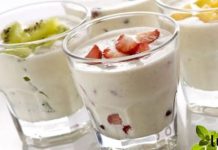
Probiotic foods: Yogurt with live cultures, kefir, kimchi, sauerkraut, miso, and kombucha.
Prebiotic foods: Garlic, onions, bananas, asparagus, apples, oats, and flaxseeds.
Together, they not only reduce H. pylori colonization but also restore digestive comfort and improve nutrient absorption.
4. Garlic
Garlic is one of nature’s most powerful natural antibiotics. It contains allicin, a sulfur compound with strong antimicrobial activity. Several studies suggest that raw garlic consumption may suppress H. pylori growth.
How to use: Crush or finely chop one clove of raw garlic and swallow it with water before meals. Cooking reduces its potency, so raw is best.
Benefits: Supports immunity, reduces inflammation, and combats bacterial overgrowth.
5. Green Tea
Green tea is rich in catechins, a group of antioxidants that inhibit the growth of harmful bacteria, including H. pylori. Daily consumption also supports liver health and enhances metabolism.
How to use: Drink 2–3 cups of freshly brewed green tea daily. Avoid excessive caffeine by choosing decaffeinated varieties if necessary.
Benefits: Reduces bacterial load, protects stomach lining, and provides long-term antioxidant defense.
6. Broccoli Sprouts
Broccoli sprouts are high in sulforaphane, a compound with strong antibacterial and detoxifying properties. Research shows that sulforaphane can inhibit H. pylori and reduce gastritis.
How to use: Add fresh broccoli sprouts to salads, smoothies, or sandwiches. A small handful daily is sufficient.
Benefits: Detoxifies the stomach lining, reduces inflammation, and strengthens gut health.
7. Turmeric
Turmeric, widely used in Ayurvedic and Chinese medicine, contains curcumin, an anti-inflammatory and antimicrobial compound. It has been shown to reduce gastric inflammation and support healing of ulcers.
How to use: Add half a teaspoon of turmeric powder to warm milk or tea daily. Alternatively, take standardized curcumin supplements.
Benefits: Fights bacterial infection, protects stomach lining, and enhances overall digestive health.
Lifestyle and Preventive Measures
Natural remedies work best when combined with healthy lifestyle habits. To prevent reinfection and ensure recovery, follow these guidelines:
Maintain strict hygiene: Wash hands before meals and after using the restroom.
Consume clean water: Avoid untreated or contaminated water sources.
Wash fruits and vegetables thoroughly: Raw produce is a common carrier of bacteria.
Avoid smoking and alcohol: Both irritate the stomach lining and worsen H. pylori damage.
Manage stress: Chronic stress increases stomach acid production, worsening gastritis.
Eat smaller, frequent meals: This reduces strain on the digestive system.
When to See a Doctor
While natural remedies can be effective, some cases of H. pylori infection require medical attention. Seek medical advice if you experience:
Severe or persistent abdominal pain
Vomiting blood or material that looks like coffee grounds
Unexplained weight loss
Difficulty swallowing
Black, tarry stools
A physician may recommend non-invasive tests such as a urea breath test, stool antigen test, or blood antibody test to confirm infection. In advanced cases, endoscopy may be necessary.
Conclusion
Helicobacter pylori is one of the most common and dangerous bacterial infections affecting the human digestive system. While conventional medicine provides strong antibiotic treatments, these approaches can come with side effects and resistance issues. Natural remedies such as cranberry juice, Manuka honey, garlic, probiotics, green tea, broccoli sprouts, and turmeric offer safe and effective ways to reduce bacterial load, heal the stomach lining, and support long-term health.
Ultimately, the best results come from combining natural medicine with preventive lifestyle practices—good hygiene, clean food, balanced diet, and stress management. By adopting these holistic measures, it is possible to not only eliminate H. pylori but also strengthen the digestive system and overall immunity, ensuring better health and vitality for years to come.