



Natural Approaches to Preventing Blood Clots and Supporting Healthy Circulation
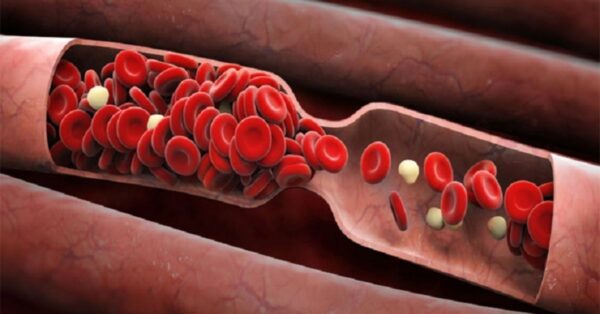
We live in a time when many people are facing a significantly higher risk of blood clot formation. The modern lifestyle, characterized by long hours of sitting, limited physical activity, and excessive reliance on technology, has been identified as one of the primary contributors to this problem.
Medical experts consistently emphasize that physical inactivity reduces the natural ability of our muscles to assist blood circulation. Normally, the contraction of muscles, particularly those in the legs, plays a critical role in pushing blood back toward the heart. When movement is limited, blood can pool in the veins, increasing the risk of clot development.
For this reason, people who lead a sedentary lifestyle are considered to be at particularly high risk for developing thrombosis, a condition where dangerous clots form inside blood vessels. Left untreated, these clots can lead to life-threatening events such as stroke, pulmonary embolism, or heart attack.
Fortunately, certain preventive strategies can make a significant difference. One of the most accessible and effective solutions is regular physical activity. Experts recommend providing the leg muscles with adequate workload, as strong and active muscles assist blood flow naturally. Among all possible forms of exercise, walking is considered the safest and most beneficial for the lower legs.
Wearing comfortable sports shoes and walking outdoors for 40–60 minutes daily can greatly improve circulation, oxygenate the body, and reduce clotting risk. Even small efforts—such as taking the stairs, stretching at work, or standing up every hour—can accumulate into meaningful health benefits.
Of course, anyone who already suffers from vascular or circulatory problems should first consult a doctor before starting any new routine. Medical advice ensures that lifestyle changes complement rather than complicate existing treatments.
Interestingly, alongside exercise and medical supervision, nutrition also plays an essential role in maintaining healthy blood flow. Experts highlight that there are natural foods and compounds that can thin the blood, thereby reducing clotting tendencies. Let us explore some of the most well-studied natural agents.
Turmeric – The Golden Spice with Anticoagulant Properties
Turmeric is one of the most widely researched natural substances in the world. It is often celebrated not only for its flavor but also for its profound health benefits. The active compound responsible for most of its healing powers is curcumin, a type of polyphenol.
Curcumin is what gives turmeric its characteristic bright yellow color, making it a distinctive ingredient in curries, soups, and teas. But beyond its culinary charm, curcumin has been found to demonstrate anticoagulant (blood-thinning) properties. This means that it can help reduce the tendency of platelets to clump together and form dangerous clots.
Several studies suggest that curcumin may influence multiple pathways in the body, such as reducing fibrin formation (a protein involved in clotting) and lowering blood viscosity. In addition, turmeric exhibits strong anti-inflammatory properties, which further supports cardiovascular health. Chronic inflammation is known to be a major risk factor for atherosclerosis and clot formation, so reducing inflammation indirectly reduces clot risk as well.
Turmeric can be consumed in different forms: as a spice in meals, in golden milk, or as a supplement. However, because curcumin is not easily absorbed by the body, it is often paired with black pepper (containing piperine) to enhance its bioavailability.
Vitamin E – Nature’s Tocopherol and Blood Flow Enhancer
Vitamin E, also known as tocopherol, is another natural compound with mild anticoagulant effects. While not as potent as pharmaceutical blood thinners, vitamin E can provide support for healthy circulation when consumed consistently through diet.
This fat-soluble vitamin prevents the oxidation of low-density lipoproteins (LDL cholesterol), reducing plaque buildup in arteries and promoting better vascular health. Furthermore, vitamin E can slightly thin the blood by inhibiting platelet aggregation, thereby lowering the likelihood of clot formation.
Experts strongly recommend obtaining vitamin E from natural food sources rather than synthetic supplements. Some of the richest sources include:
Almond oil – a potent supplier of vitamin E, antioxidants, and healthy fats.
Wheat germ oil – one of the densest natural sources of tocopherol.
Sunflower oil – widely available and versatile in cooking.
Sunflower seeds – a nutritious snack rich in vitamin E, magnesium, and selenium.
Incorporating these foods into daily meals supports not only blood health but also skin health, immune defense, and cellular repair. However, moderation is important, as excessive supplementation of vitamin E has been linked to health risks.
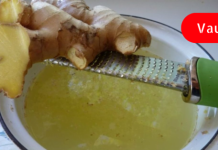
Ginger – A Traditional Remedy with Natural Salicylates
For centuries, ginger has been used in traditional medicine across Asia and the Middle East. It has been valued not only for its warming, spicy flavor but also for its medicinal qualities, particularly its ability to influence blood clotting.
The reason lies in its content of natural salicylates, which are compounds chemically similar to aspirin. Aspirin is a well-known blood thinner prescribed by doctors to reduce clotting risk in patients with cardiovascular disease. Ginger, though milder, may act in a comparable way.
Some early studies suggest that ginger can slow platelet aggregation, which helps prevent clot formation. Additionally, ginger has strong anti-inflammatory and antioxidant effects, which indirectly support vascular health.
However, it is important to emphasize that scientific evidence regarding ginger’s anticoagulant effect remains limited and not fully conclusive. Many researchers argue that more rigorous clinical trials are required to establish its efficacy.
Moreover, ginger is not suitable for everyone. People with gastrointestinal problems, such as ulcers or acid reflux, may find that ginger worsens their symptoms. Therefore, it should be consumed cautiously, especially by individuals who are sensitive or already taking blood-thinning medications.
Garlic – A Proven Antithrombotic Ally
Perhaps no natural food is as well-studied for its cardiovascular benefits as garlic. For thousands of years, garlic has been used both as a culinary staple and as a healing remedy. Modern science has confirmed many of its traditional claims, particularly in the area of heart and blood vessel health.
The American Academy of Family Physicians recognizes garlic’s potential antithrombotic (anti-clotting) properties. Research indicates that garlic compounds, such as allicin, may help reduce platelet aggregation, making blood less likely to clot abnormally.
However, it is worth noting that garlic’s anticoagulant effects are relatively mild and short-lived. Consuming garlic in powder form or as part of meals may provide some benefit, but it should not be relied upon as a replacement for medical treatment.
Still, incorporating garlic regularly into the diet can contribute to improved cholesterol levels, reduced blood pressure, enhanced immunity, and better overall vascular health. It remains one of the most versatile and effective natural remedies available.
Additional Lifestyle Recommendations for Healthy Circulation
While natural foods and spices can support blood health, they should be seen as complementary measures rather than primary treatments. Preventing thrombosis and promoting circulation require a holistic approach that combines multiple lifestyle elements:
Regular Physical Activity
Walking, swimming, cycling, and light aerobics keep the blood moving.
Office workers should stand up and stretch every hour to counteract long periods of sitting.
Healthy Diet
A diet rich in fruits, vegetables, whole grains, lean proteins, and healthy fats ensures adequate nutrients for vascular function.
Omega-3 fatty acids (found in fish, flaxseeds, and chia seeds) also reduce clot risk.
Hydration
Dehydration makes blood thicker and more prone to clotting. Drinking enough water daily is a simple preventive step.
Weight Management
Excess weight, particularly around the abdomen, increases venous pressure and clot risk. Maintaining a healthy weight is vital.
Avoiding Smoking and Excess Alcohol
Smoking damages blood vessels and accelerates clot formation.
Excessive alcohol can both thin and thicken the blood, depending on the dose, leading to instability.
Medical Supervision
People at high risk, such as those with varicose veins, diabetes, or a history of thrombosis, should undergo regular checkups.
Doctors may recommend low-dose aspirin or prescribed anticoagulants in certain cases.
Conclusion
We live in an era where sedentary lifestyles and poor dietary habits have made blood clotting disorders more common than ever before. Yet, the power to protect ourselves lies largely in our daily choices. By incorporating regular movement, maintaining hydration, managing weight, and consuming natural foods like turmeric, vitamin E-rich oils, ginger, and garlic, we can support the body’s natural ability to maintain healthy circulation.
Of course, these natural measures should never replace professional medical advice, particularly for individuals with existing vascular or cardiovascular conditions. Instead, they should be embraced as complementary strategies to enhance health and reduce risk.
By making mindful choices—walking each day, eating wisely, and respecting the wisdom of natural remedies—we give our bodies the best chance to thrive and stay resilient against the dangers of blood clotting.