
















Lettuce Leaves: A Hidden Superfood for Health and Wellness
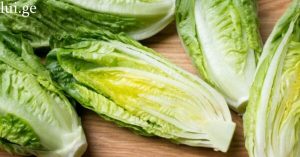
When you think of lettuce, the first thing that probably comes to mind is a salad—fresh, crisp, and light. But did you know that lettuce is not just a garnish or a filler? It’s actually a nutritional powerhouse with impressive health benefits that go far beyond simple calorie control. This humble leafy green has been used for thousands of years in traditional medicine for its healing properties. Modern research now confirms what ancient healers knew all along: lettuce can improve your health in more ways than you can imagine.
In this comprehensive article, we’ll explore:
✔ The nutritional profile of lettuce and why it deserves a place in your diet
✔ Six scientifically supported health benefits that make it more than just a salad ingredient
✔ How to incorporate lettuce into your meals creatively
✔ Additional tips and fun facts about this underrated leafy green
So, grab your favorite greens and let’s dive in!
Lettuce: A Brief Overview and Historical Significance
Lettuce (Lactuca sativa) is one of the oldest cultivated plants, dating back to ancient Egypt, Greece, and Rome. It was so valued in traditional medicine that it was used for improving sleep, calming the nerves, and promoting digestion. In fact, historical texts suggest that lettuce was consumed as a medicinal plant long before it became a staple in salads.
Today, lettuce is popular worldwide not only for its refreshing taste and low-calorie nature but also for its rich nutrient content and disease-fighting properties.
Nutritional Profile of Lettuce: What’s Inside These Leaves?
Don’t let its delicate appearance fool you—lettuce is packed with essential nutrients that are crucial for overall health. Here’s what you’ll find in a typical serving:
Water content: High (over 90%), making it hydrating and refreshing
Calories: Very low, perfect for weight management
Protein: Small amount, but beneficial when combined with other foods
Dietary Fiber: Supports digestion and gut health
Sugars: Minimal, making it safe for most diets
Key Minerals in Lettuce:
Calcium – Strengthens bones and teeth
Iron – Important for blood health and oxygen transport
Magnesium – Supports muscle and nerve function
Phosphorus – Essential for energy production
Potassium – Helps regulate blood pressure
Sodium and Zinc – Involved in cellular health and immunity
Essential Vitamins:
Vitamin A – Supports vision and skin health
Vitamin C – Boosts immunity and fights oxidative stress
Vitamin E – A powerful antioxidant
Vitamin K – Crucial for blood clotting and bone strength
B Vitamins (Thiamine, Riboflavin, Niacin, Folate, B6) – Aid in energy metabolism
Clearly, lettuce is more than just “empty greens”—it’s a nutrient-dense food that nourishes your body on multiple levels.
Why Is Lettuce So Good for Your Health?
Lettuce is not only low in calories but also rich in bioactive compounds that provide numerous health benefits. For centuries, it has been used for medicinal purposes due to its anti-inflammatory, antioxidant, and sedative properties.
Let’s break down its top six scientifically supported benefits:
1. Lettuce Has Strong Anti-Inflammatory Properties
Inflammation is the root cause of many chronic diseases, including arthritis, heart disease, and even certain cancers. Studies have found that lettuce contains bioactive compounds with anti-inflammatory effects, which help regulate inflammatory processes in the body.
Animal-based experiments suggest that lettuce extracts can significantly reduce inflammation in internal organs. Although more human research is needed, the preliminary evidence is promising. Including lettuce in your diet may help manage inflammatory conditions naturally.
2. Lettuce Helps Reduce Cholesterol Levels
High cholesterol is one of the major risk factors for cardiovascular disease, which remains the leading cause of death worldwide. Interestingly, lettuce consumption has been linked to lower cholesterol levels in animal studies.
In experiments on rats, those that consumed lettuce showed significant reductions in cholesterol and fat levels compared to the control group. Researchers believe this is due to lipid peroxidation control, which plays a key role in cholesterol management.
What does this mean for you? Regular consumption of lettuce may reduce the risk of heart attacks and strokes—especially when combined with a balanced diet and healthy lifestyle.
3. Lettuce Promotes Better Sleep
Do you struggle with insomnia or restless nights? Ancient Greek and Unani medicine used lettuce leaves as a natural sleep aid, and modern science is beginning to understand why.
A 2013 study revealed that certain compounds in lettuce (specifically nonpolar agents) have a sedative effect, reducing muscle and neuronal excitability. This effect was so strong that it lowered heart rate and induced calmness in experimental models.
If you have trouble sleeping, adding lettuce to your evening meals or drinking lettuce tea (yes, it’s a thing!) might help you relax naturally without relying on synthetic sleeping pills.
4. Lettuce Acts as a Powerful Antioxidant
One of the most impressive benefits of lettuce is its antioxidant capacity. Antioxidants are substances that neutralize free radicals, which are harmful molecules produced during normal metabolism or as a result of exposure to toxins.
Free radicals can damage cells, tissues, and even DNA, leading to premature aging and chronic diseases. Lettuce is rich in vitamins C, A, and E, along with other antioxidant compounds, making it an excellent protective food against oxidative stress.
5. Lettuce Supports Weight Loss and Healthy Digestion
Trying to lose weight without feeling starved? Lettuce is your best friend! It’s low in calories but high in fiber, which means it promotes satiety, improves digestion, and supports gut health.
Proper digestion is essential for long-term weight management because it ensures efficient nutrient absorption and toxin elimination. Plus, lettuce adds volume to meals without adding excess calories, making it a staple in weight-loss diets.
6. Lettuce is Great for Heart Health
Your heart will thank you for eating more lettuce! This leafy green is rich in vitamin C and beta-carotene, two antioxidants that work together to reduce arterial plaque formation and prevent calcium deposits in the walls of your veins and arteries.
By lowering cholesterol and reducing oxidative stress, lettuce helps maintain healthy blood circulation and reduces the risk of atherosclerosis.
Other Surprising Benefits of Lettuce
Beyond the six main advantages, lettuce offers additional perks, such as:
✔ Hydration – High water content keeps your body hydrated
✔ Bone Health – Thanks to its calcium and vitamin K content
✔ Detoxification – Supports liver function and toxin elimination
✔ Improved Skin Health – Antioxidants combat aging and keep skin glowing
How to Incorporate Lettuce into Your Diet
The beauty of lettuce is its versatility. Here are some creative ways to enjoy it beyond the classic salad:
Lettuce Wraps – Use large leaves as a low-carb alternative to tortillas
Smoothies – Blend lettuce with fruits like apple, banana, and kiwi for a refreshing drink
Soups – Add shredded lettuce to vegetable soups for extra nutrition
Juices and Teas – Lettuce juice is popular for its calming effect; lettuce tea can aid sleep
Sandwiches and Burgers – Use crisp lettuce for added crunch and freshness
Important Note: Safety and Precautions
Lettuce is generally safe for most people, but here are a few things to keep in mind:
Wash thoroughly to remove pesticides and bacteria
Avoid if you have allergies to leafy greens
Don’t rely on lettuce alone for nutrition—combine it with a balanced diet
Conclusion: A Simple Green with Powerful Benefits
Lettuce may seem like a simple vegetable, but it’s truly a nutritional gem. From reducing inflammation and cholesterol to promoting sleep, aiding digestion, and protecting the heart, this leafy green deserves a regular spot on your plate.
So next time you prepare a meal, remember—lettuce isn’t just a salad base; it’s a functional food that supports overall health and longevity.








































