












If you’ve been struggling with acne and no longer know what to do, check out our article – we’re going to share an amazing recipe!
Turmeric has long been actively used both in medicine and cosmetology. Many people rely on its healing properties to improve overall health and treat a variety of conditions. One of the lesser-known but highly effective uses of turmeric is in acne treatment. Today, we’ll explain exactly how you can use turmeric to combat acne.
Why Turmeric Works Against Acne
Turmeric contains a bioactive compound called curcumin, which gives it its distinctive color and most of its therapeutic properties. Curcumin has powerful anti-inflammatory and antioxidant effects, making turmeric beneficial for both internal and topical use. Because of these properties, turmeric extracts are frequently incorporated into dermatological treatments.
One of the main reasons turmeric is effective against acne is its antibacterial action. Acne is often caused by bacteria that infect clogged pores, and curcumin helps suppress these bacteria. Additionally, turmeric has anti-inflammatory effects, which reduce redness, swelling, and irritation associated with acne breakouts.
Turmeric also promotes tissue regeneration, helping to heal scars and prevent long-term skin damage. It stimulates collagen production, which not only helps repair damaged tissue but also reduces the risk of premature wrinkles. This makes turmeric a valuable addition to your skincare routine for both acne management and anti-aging purposes.
Moreover, turmeric improves overall skin health thanks to its combination of curcumin, vitamins, and minerals. Benefits include:
Providing a natural glow to the skin
Accelerating wound healing and scar reduction
Helping combat psoriasis flare-ups
Preventing early signs of skin aging
Turmeric Acne Mask Recipe
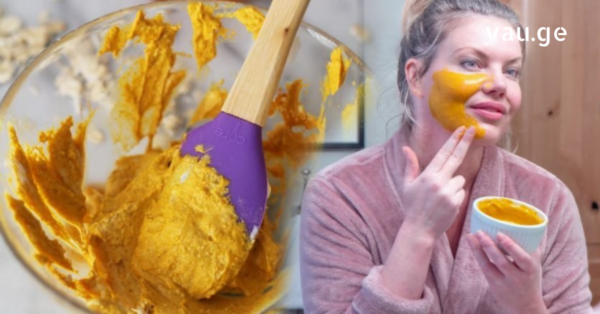
For optimal results, turmeric should be combined with other natural ingredients that enhance its effects. Coconut oil is an excellent partner for turmeric because it contains lauric acid, which has strong antimicrobial properties. Coconut oil also moisturizes the skin and helps manage conditions such as eczema and psoriasis. Together, turmeric and coconut oil create a mask that reduces inflammation, kills acne-causing bacteria, and promotes tissue regeneration. Adding honey further enhances the mask’s benefits, as honey has antibacterial properties and helps soothe irritated skin.
Ingredients:
1 tablespoon ground turmeric (15 g)
2 tablespoons organic coconut oil (30 g)
1 tablespoon honey (15 g)
Preparation:
Combine the turmeric, coconut oil, and honey in a clean container.
Mix thoroughly until you achieve a smooth, uniform paste.
Application:
Before applying the mask, cleanse your face thoroughly to remove makeup residues, dirt, and excess oils.
Apply the mask evenly over the acne-prone areas, ensuring that each affected spot is fully covered.
Leave the mask on for 15 minutes.
Rinse thoroughly with warm water.
For best results, repeat this treatment three times per week.
Important Notes
The effects of turmeric on acne are not immediate. Consistent use over time is necessary to notice significant improvements, and the length of treatment may vary depending on your skin type and condition.
Turmeric can leave a slight yellow stain on the skin. Normally, this disappears after thorough washing, but if necessary, a gentle facial cleanser can help remove the residue.
Always be aware of allergic reactions. Some individuals may experience irritation, redness, or swelling when using turmeric. To test for sensitivity, apply a small amount of the mask to your wrist or inner arm and wait 10–15 minutes. If no reaction occurs, it is generally safe to apply to the face.
Additional Tips for Using Turmeric on Acne
Consistency is key: Natural remedies like turmeric work gradually. Combining this treatment with a proper skincare routine and a healthy diet will increase its effectiveness.
Combine with gentle cleansing: Avoid harsh chemical cleansers that may irritate your skin. Opt for mild, natural products.
Hydration: Drink plenty of water to flush toxins from your body, which can also help improve your skin condition.
Avoid excessive sun exposure: Turmeric can make your skin slightly more sensitive to UV rays. Apply sunscreen if you plan to spend time outdoors after treatment.
Dietary support: Incorporate anti-inflammatory foods such as green leafy vegetables, berries, and fatty fish, which help reduce acne from within.
Why Turmeric Is a Safe and Effective Choice
Unlike many chemical treatments that can cause dryness, peeling, or irritation, turmeric is natural and generally safe for most skin types. It addresses acne at multiple levels: fighting bacteria, reducing inflammation, promoting healing, and improving overall skin health. When combined with other natural ingredients like coconut oil and honey, turmeric becomes a powerful tool in your acne-fighting routine.
By following this mask routine and maintaining good skin hygiene, you can gradually reduce acne breakouts, minimize scars, and restore your skin’s natural glow. While results take time, the combination of turmeric’s antibacterial, anti-inflammatory, and antioxidant properties ensures that your skin benefits holistically with regular use.
Final Words
Acne can be frustrating, especially when conventional treatments fail or cause side effects. Natural remedies like turmeric provide a gentle, effective alternative. By incorporating this turmeric, coconut oil, and honey mask into your weekly skincare routine, you can not only combat acne but also improve your skin’s overall health and appearance.
Remember, patience and consistency are key. Follow the mask routine, monitor your skin’s response, and adjust as needed. With dedication, turmeric can become a vital ally in your journey toward clearer, healthier, and more radiant skin.