













Many parents may notice that young children often enjoy sitting in what is called the W-position, where the knees are bent and the legs are splayed out to the sides behind the child, forming a shape similar to the letter “W.” While this may look comfortable to children and allow them to play or watch something for hours, it can pose serious long-term health risks if it becomes a habitual posture. The W-position is particularly common among toddlers and preschool-aged children, as it allows them to stabilize their body while using their hands freely for play or tasks. Despite the apparent convenience, this position can cause serious orthopedic and muscular problems, which often go unnoticed until later in life.
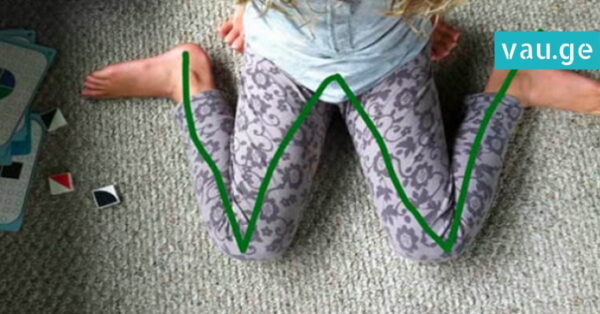
Why the W-Position Is Problematic
The main issue with the W-position is the way it affects the musculoskeletal system. Sitting like this changes the distribution of weight and forces across the hips, knees, and ankles. Normally, when children sit with their legs straight in front or crossed in front of them, their muscles help maintain balance and support the skeletal structure. In the W-position, however, the center of gravity shifts forward, placing excessive stress on the hip and knee joints. The muscles are unable to assist effectively in stabilizing the body, which can lead to muscle imbalance and joint strain over time.
Orthopedic specialists explain that this posture may contribute to several problems:
Hip Deformities: The outward rotation of the thighs can lead to abnormal development of the hip joints. Over time, this may result in hip dysplasia or other structural issues.
Knee Stress: The bent knees in this position endure unusual pressure, which may affect the development of the kneecaps and surrounding ligaments.
Muscle Imbalance: Sitting in the W-position limits the activity of core muscles, including the abdominal and lower back muscles. The muscles of the hips and thighs may become shortened or overstretched, which affects posture and stability.
Delayed Motor Skills: Since the core and stabilizing muscles are not actively engaged, children may have slower development of balance, coordination, and fine motor control.
Spinal Alignment Issues: Prolonged sitting in this posture can lead to rounded or curved lower back, which can become habitual and difficult to correct later.
Common Misconceptions
Many parents believe that the W-position is harmless because their child can sit comfortably for hours while playing. Additionally, children often move naturally from one position to another, which may seem to reduce risk. However, even occasional prolonged use of the W-position can be problematic, especially if the child naturally prefers it as their main sitting posture. It is important to understand that orthopedic issues caused by this posture often do not become apparent immediately. Children may appear healthy, walk normally, and have no visible discomfort, but over months and years, the cumulative effect of sitting in a W-position can cause permanent structural and muscular problems.
Signs That Your Child Frequently Sits in a W-Position
Parents should watch for the following behaviors:
Preferring to sit with legs splayed behind the body for extended periods during play
Difficulty sitting comfortably in other positions (cross-legged or straight legs in front)
Complaints of knee, hip, or ankle discomfort after playing on the floor
Early signs of in-toeing (toes pointing inward) or foot rotation
Slouched posture or difficulty balancing during standing or walking activities
If these signs are present, it is important to intervene early, as habit formation at a young age can lead to structural deformities that are harder to correct later in childhood or adolescence.
How to Prevent W-Sitting
Preventing children from sitting in the W-position is crucial for long-term musculoskeletal health. Here are some practical strategies:
Encourage Alternative Sitting Positions: Teach your child to sit with legs straight in front of them or in a cross-legged (criss-cross) position. Demonstrate these positions and provide gentle reminders during playtime.
Use Visual Cues and Support: Placing cushions, mats, or small chairs can encourage children to adopt safer positions. Make the alternative positions more comfortable and appealing by using soft mats or small chairs that allow the feet to touch the ground.
Supervise Playtime: Especially in toddlers, observe your child during floor play and intervene if they adopt the W-position. Redirect their sitting posture to a safer position.
Strengthen Core Muscles: Activities such as crawling, climbing, and supervised tumbling help develop core and stabilizing muscles, reducing reliance on the W-position for balance.
Limit Floor Play in W-Position: If a child naturally tends to sit in a W-position, limit the duration of floor play or provide chairs and tables at appropriate heights to encourage upright sitting.
Positive Reinforcement: Praise and reward your child for sitting in correct positions. Avoid scolding or shaming, as this may create resistance. Encouragement works better than punishment.
Long-Term Benefits of Correct Sitting
Teaching children to avoid W-sitting has multiple advantages:
Proper Hip and Knee Development: Reduces abnormal stress on joints and prevents future orthopedic problems.
Better Muscle Balance: Engages core, hip, and leg muscles, which strengthens overall posture and coordination.
Enhanced Motor Skills: Encourages more stable balance and smoother movements during walking, running, and other physical activities.
Prevention of Postural Problems: Helps maintain a healthy spinal curvature, reducing risk of slouching or lower back pain in the future.
Habit Formation for Life: Children who learn proper sitting positions are more likely to maintain them into school years and beyond, promoting lifelong musculoskeletal health.
Conclusion
The W-sitting position may seem harmless or even convenient for young children, but it carries significant long-term risks for orthopedic health. Excessive and habitual W-sitting can lead to muscle imbalance, joint stress, and improper bone development, which can manifest as pain, postural problems, or movement difficulties later in life. Parents play a crucial role in observing, guiding, and encouraging safer sitting positions, helping children develop strong, balanced muscles and healthy skeletal structures.
Early intervention is simple, inexpensive, and highly effective. By providing gentle reminders, alternative seating, and core-strengthening activities, you can ensure that your child enjoys playtime safely while promoting proper physical development. Correcting or preventing W-sitting at a young age will save children from orthopedic problems in the future and lay the foundation for healthy posture, stability, and overall physical well-being.
Preventing W-sitting is not only about avoiding temporary discomfort; it is about ensuring long-term musculoskeletal health and proper growth. Every parent who notices this sitting habit should intervene immediately, offering safer alternatives, positive reinforcement, and continued supervision during playtime. By doing so, children can enjoy active, balanced, and healthy development without compromising their bones, joints, or muscles.