









A Natural Guide: Foods and Remedies to Help Regulate Blood Pressure
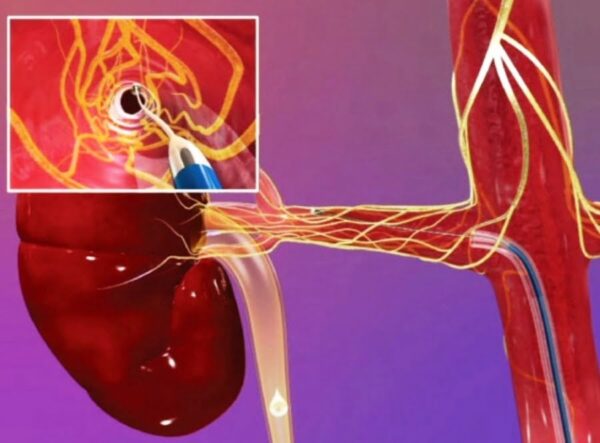
High blood pressure, medically known as hypertension, is a serious public health concern worldwide. Uncontrolled blood pressure significantly increases the risk of heart disease, stroke, kidney problems, and premature death. Yet, many people are unaware of the severity of this condition or underestimate its impact on their health and longevity.
In today’s fast-paced world, the growing prevalence of hypertension calls for effective, accessible, and natural methods to support healthy blood pressure levels. This article presents a detailed list of natural foods and remedies that can help you regulate your blood pressure safely and effectively.
Understanding High Blood Pressure and Its Risks
Blood pressure measures the force exerted by circulating blood on the walls of arteries. When this pressure is consistently too high, it forces the heart to work harder, damages blood vessels, and can lead to life-threatening conditions.
Unfortunately, hypertension often develops silently without noticeable symptoms, which is why it is frequently called the “silent killer.” Left unmanaged, it poses a serious threat to your overall health and wellbeing.
Fortunately, alongside medical treatments prescribed by healthcare professionals, natural dietary interventions can complement blood pressure management. Incorporating specific nutrient-rich foods into your daily routine can improve vascular health, reduce inflammation, and help maintain optimal pressure levels.
Natural Products That Help Lower Blood Pressure
Here is a carefully selected list of natural products proven by traditional use and modern research to support blood pressure regulation:
1. Nettle (Urtica dioica)
Nettle is a highly nutritious green plant long used in folk medicine. Regular consumption of nettle supports healthy blood pressure regulation thanks to its rich content of vitamins, minerals, and antioxidants.
How to use: Consume 1 to 2 stalks of fresh nettle leaves daily or 100 grams of nettle root.
Recommendations: Add nettle leaves to smoothies, vegetable salads, or herbal teas to enjoy their benefits conveniently.
Nettle’s diuretic properties help reduce excess fluid retention, easing the workload on your heart and vessels. Additionally, its anti-inflammatory effects contribute to overall cardiovascular health.
2. Cayenne Pepper (Capsicum annuum)
Cayenne pepper is well known for its circulation-boosting properties. It stimulates blood flow, lowers blood pressure by relaxing arteries, and supports the heart and vascular system.
How to use: Add a small pinch of cayenne pepper to salads, soups, stews, and even drinks.
Benefits: Its active compound, capsaicin, helps dilate blood vessels and improve blood flow, reducing hypertension risk.
Due to its potency, start with small amounts and adjust based on your tolerance.
3. Banana
Bananas are an excellent source of potassium, a key mineral essential for blood pressure control. Potassium helps balance sodium levels in the body, relaxing blood vessel walls and reducing strain on the cardiovascular system.
How to use: Eat two ripe bananas daily for several weeks.
Benefits: Consistent potassium intake from bananas contributes to lower systolic and diastolic blood pressure readings.
Bananas also provide dietary fiber and antioxidants, supporting heart health further.
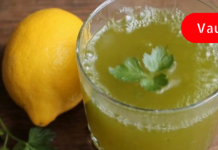
4. Lemon
Lemon is a powerful natural agent for lowering blood pressure and detoxifying the body.
How to use: Squeeze fresh lemon juice into a cup of warm water and drink daily for several weeks.
Benefits: Lemons are rich in vitamin C and bioflavonoids, which help improve blood vessel flexibility, reduce arterial stiffness, and promote overall cardiovascular health.
Drinking lemon water not only lowers blood pressure but also flushes toxins and replenishes essential nutrients.
5. Garlic (Allium sativum)
Garlic is a natural remedy famous for its cardiovascular benefits, including blood pressure reduction.
How to use: Consume raw garlic daily, preferably crushed or minced to activate its beneficial compounds.
Alternatives: If raw garlic’s strong taste is hard to tolerate, mix it with honey or use garlic oil in salads and cooked dishes.
Garlic works by dilating blood vessels, reducing arterial plaque formation, and lowering inflammation, all contributing to better blood pressure control.
6. Coconut
Coconut, especially its water and oil, is an excellent natural product that supports cardiovascular health.
How to use: Regularly consume fresh coconut water or incorporate coconut oil into your diet.
Benefits: Coconut provides potassium, magnesium, and healthy fats that help maintain proper blood pressure levels and improve heart function.
Its hydrating and anti-inflammatory properties further contribute to vascular health.
7. Honey
Natural honey has calming and vasodilatory effects on blood vessels, helping reduce blood pressure.
How to use: Take 2 teaspoons of pure honey daily on an empty stomach.
Alternative recipe: Mix 1 teaspoon of honey with 1 teaspoon of flax seeds and 1 teaspoon of fresh lemon juice and consume on an empty stomach for enhanced benefits.
This combination helps regulate blood pressure by supporting vascular relaxation and providing antioxidants.
Practical Tips for Using Natural Remedies
Consistency is key: Regular daily intake over several weeks is essential to experience meaningful benefits.
Combine with a healthy lifestyle: A balanced diet low in salt and processed foods, regular exercise, stress management, and adequate hydration work synergistically with these natural products.
Consult your healthcare provider: If you have existing health conditions or are on medication, consult your doctor before making significant dietary changes or adding supplements.
Why Choose Natural Approaches?
Natural remedies offer several advantages in managing blood pressure:
Accessibility: Most of these foods are easy to find and affordable.
Low risk: When used appropriately, they pose minimal side effects compared to pharmaceutical drugs.
Additional health benefits: Besides blood pressure control, these foods support immune function, digestion, and overall vitality.
Conclusion
Hypertension is a serious condition that requires attention and management. While medical care remains essential, nature provides many supportive options that can complement traditional treatments. By incorporating nettle, cayenne pepper, bananas, lemon, garlic, coconut, and honey into your daily diet, you can take proactive steps toward better cardiovascular health and stable blood pressure.
Adopting these natural remedies not only helps regulate your blood pressure but also nourishes your entire body, promoting longevity and wellbeing.
Start today by making small, manageable changes to your diet and lifestyle, and observe how these powerful natural foods can improve your health over time.
If you need personalized advice or have concerns, always seek guidance from a healthcare professional.