















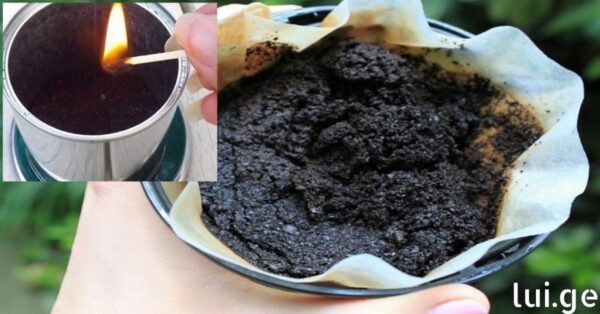
For most people, used coffee grounds are nothing more than a byproduct of their morning ritual—something to be tossed in the trash without a second thought. But what if we told you that these humble leftovers are actually a treasure trove of utility?

Coffee grounds, when reused thoughtfully, can serve as fertilizer, natural pest repellent, odor neutralizer, wood stain, and so much more. In this guide, we’ll explore several practical, eco-friendly, and even surprising ways to reuse coffee grounds instead of sending them straight to the landfill.
1. Fertilizing the Soil: Boost Your Garden Naturally
Coffee grounds are packed with nitrogen, a vital nutrient that promotes healthy plant growth. This makes them an excellent soil amendment, particularly for acid-loving plants like blueberries, azaleas, roses, and tomatoes. When mixed with garden soil, coffee grounds help:
Improve soil structure
Attract earthworms
Boost microbial activity
Add organic matter to the soil
How to use:
Mix used coffee grounds directly into the soil around your plants.
Alternatively, sprinkle a thin layer on top of the soil as mulch.
Avoid using thick layers, as they can become compacted and create a water-repelling barrier.
Coffee grounds are slightly acidic when fresh, but used grounds are typically closer to neutral, making them safe for most plants.
2. Enriching Compost: Feed Beneficial Bacteria
Due to their high nitrogen content, coffee grounds are considered a “green” material in composting (even though they look brown). Nitrogen is essential to balance out “brown” materials like leaves, paper, and twigs, which are rich in carbon.
When added to a compost pile, coffee grounds:
Provide fuel for composting microbes
Accelerate the decomposition process
Help eliminate foul odors
Add valuable nutrients to finished compost

How to use:
Add coffee grounds (and even used coffee filters) directly into your compost bin.
Balance with enough carbon-rich materials to prevent the pile from becoming too wet or smelly.
Composting with coffee grounds is a sustainable way to recycle kitchen waste and improve soil quality at the same time.
3. Natural Pest Control: Deter Mosquitoes, Ants, and Other Insects
One of the lesser-known benefits of coffee grounds is their effectiveness in deterring pests. The strong aroma and chemical composition of used coffee grounds are known to repel many insects, particularly mosquitoes, ants, wasps, and even snails.
For mosquitoes:
Mosquitoes despise the smell of coffee grounds, especially when they’re burned or placed near stagnant water. The scent masks the carbon dioxide and human odors that typically attract them. Moreover, coffee grounds can kill mosquito larvae before they mature.
How to use:
Sprinkle used, dry coffee grounds around your patio, garden, or any areas where mosquitoes breed.
Add them to saucers under plant pots or near standing water sources like fountains.
For a more concentrated repellent, mix grounds with boiling water, let it cool, and pour it into a spray bottle. Spray it around doorways, window frames, and garden furniture.
For other insects:
Scatter coffee grounds around the base of plants to keep slugs and snails away.
Place bowls of dry grounds near kitchen corners to deter ants and roaches.
For added effect, mix coffee grounds with aluminum foil or place them in small paper cups in outdoor areas.
4. DIY Wood Stain: A Natural and Rustic Finish
Looking for an inexpensive, non-toxic way to stain wood? Coffee grounds can give furniture, crafts, and home décor items a beautiful earthy brown tone that enhances the natural grain of the wood.
How to make natural wood stain:
Place used coffee grounds into a container or glass jar.
Pour boiling water over the grounds and let them steep for at least 2 hours—or overnight for a deeper color.
Strain the liquid to remove any sediment.
Using a brush, apply the liquid stain generously to unfinished or sanded wood.
Let the first coat dry for 10–15 minutes, then apply additional coats as desired for a darker finish.
Once fully dry, seal the wood with natural beeswax or a wood-safe finish.
This technique gives your project a rustic, environmentally friendly charm without using chemical-based stains.
5. Other Household Uses: Multipurpose and Sustainable
Odor Neutralizer:
Coffee grounds are natural deodorizers. They absorb unpleasant smells and can be used to freshen spaces around the house.
Use coffee grounds to:
Deodorize your refrigerator or freezer by placing them in a small open container.
Eliminate shoe odors—simply place dry grounds in a breathable pouch and tuck them into smelly sneakers.
Remove odors from your hands after handling garlic, onions, or fish.
Natural Abrasive Cleaner:
Coffee grounds are mildly abrasive and can be used as a natural scrubbing agent to clean surfaces without scratching them.
Use them to clean:
Greasy pots and pans
Grills or ovens
Garden tools
Just be cautious not to use coffee grounds on porous or light-colored surfaces that may stain.
Bonus Tip: Use in Homemade Beauty Treatments
Coffee grounds are rich in antioxidants and caffeine, which can benefit your skin.
Use them for:
Exfoliating scrubs: Mix with coconut oil or yogurt to slough off dead skin.
Cellulite reducer: Apply a coffee ground paste in circular motions to boost circulation.
Scalp treatments: Massage into the scalp to stimulate hair growth and remove buildup.
Environmental Impact: Why Reusing Coffee Grounds Matters
Throwing away coffee grounds might not seem like a big deal, but globally, millions of tons of organic waste end up in landfills each year. When decomposed without proper aeration, organic matter like coffee grounds releases methane—a potent greenhouse gas.
By reusing your coffee grounds, you’re not only cutting down on household waste but also:
Reducing your carbon footprint
Supporting sustainable gardening practices
Saving money on fertilizers and cleaning products
Final Thoughts: Don’t Throw It Out—Use It Smart!
Coffee is more than just a morning pick-me-up—it’s a secret weapon for gardeners, homeowners, and eco-conscious individuals. From nourishing your garden to deterring pests, from cleaning your kitchen to staining your furniture, coffee grounds offer a surprising array of applications that can transform your household routines.
Next time you brew a pot, don’t toss the grounds. Instead, store them in a container and use them purposefully. The earth—and your wallet—will thank you.








































