










Anyone who has experienced an ingrown toenail at least once knows that, despite the small size of the affected area, the pain can be severe, persistent, and extremely distressing. What may initially seem like a minor issue can quickly interfere with daily activities such as walking, wearing shoes, or even sleeping comfortably. Ingrown toenails are not only physically painful but can also cause emotional discomfort due to constant irritation and fear of worsening the condition.
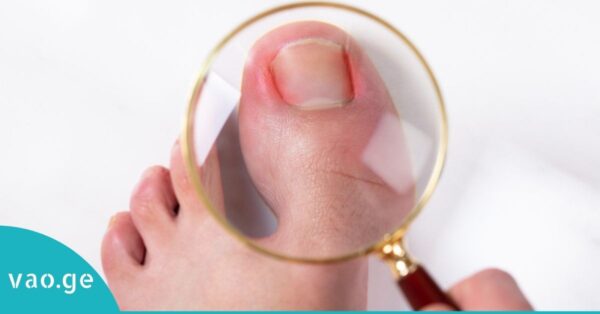
An ingrown toenail occurs when the edge or corner of the nail grows into the surrounding skin instead of over it. This leads to inflammation, redness, swelling, tenderness, and pain. If left untreated, the condition can progress to infection, resulting in pus, increased swelling, throbbing pain, and difficulty bearing weight on the affected foot. In more severe cases, especially in people with diabetes or poor circulation, complications can become serious and require professional medical treatment.
There are several factors that can contribute to the development of an ingrown toenail. One of the most common causes is improper nail trimming, such as cutting the nails too short or rounding the corners too deeply. Wearing tight, narrow, or ill-fitting shoes that press the toes together can also increase pressure on the nails and force them into the skin. Foot injuries, such as stubbing your toe or dropping a heavy object on it, may alter nail growth and lead to ingrowth. Genetics also play a role, as some people naturally have curved or thick nails that are more prone to growing inward. Excessive sweating, poor foot hygiene, and repeated stress on the feet can further increase the risk.
Fortunately, there are several methods that can help relieve discomfort and support healing at home, especially in mild to moderate cases. However, it is very important to consult a doctor or podiatrist before attempting self-treatment, particularly if you notice signs of infection, severe pain, or if you have underlying health conditions. Home remedies are intended to reduce discomfort and inflammation, not to replace professional medical care.
One of the most effective and widely recommended home treatments is soaking the affected foot in a warm bath with Epsom salt. Epsom salt helps disinfect the area, reduce inflammation, and soothe irritated skin. Use warm, not hot, water, as excessively high temperatures can worsen swelling and sensitivity. Soak your foot for 15 to 20 minutes, two to three times a day if possible. This process softens both the nail and the surrounding skin, making it easier to manage pressure and reduce pain.
After soaking, gently dry your foot with a clean towel, paying special attention to the area between the toes. Keeping the foot dry and clean is essential to prevent bacterial growth. At this stage, you may notice that the nail feels slightly softer and the skin less tense, which can provide temporary relief.
To reduce pressure between the nail and the skin, you can use a small piece of sterile cotton or gauze. Using clean tweezers or dental floss, very gently lift the edge of the ingrown nail just enough to place a tiny cotton pad underneath it. This helps separate the nail from the skin and encourages the nail to grow outward instead of inward. It is crucial to be extremely gentle during this process to avoid further injury. Replace the cotton daily, and always ensure it remains clean and dry. Remember that this is only a temporary measure and does not permanently solve the problem.
Applying an antibiotic ointment is another important step in preventing infection. Regularly apply a thin layer of an antibiotic cream to the affected area, especially after soaking and drying your foot. This helps protect the skin from bacteria and supports healing. Keep the toe clean at all times, particularly if the skin is broken or bleeding. You may cover the area with a sterile bandage or medical adhesive strip to protect it from friction and dirt, especially when wearing shoes.
Tea tree oil can also be used as a natural antiseptic. Known for its antibacterial and antifungal properties, tea tree oil may help reduce the risk of infection and soothe inflammation. Apply only a few drops, diluted if necessary, to the affected area using a clean cotton swab. Avoid excessive use, as concentrated essential oils can irritate the skin and worsen the condition if overapplied.
In addition to these treatments, choosing appropriate footwear is essential during recovery. Wear open-toed shoes or sandals whenever possible to reduce pressure on the affected toe. If closed shoes are necessary, select ones with a wide toe box that allows your toes to move freely. Avoid tight socks or stockings that compress the toes. Keeping pressure to a minimum can significantly reduce pain and speed up healing.
Proper nail care plays a crucial role in preventing future ingrown toenails. Always trim your toenails straight across rather than rounding the edges. Avoid cutting them too short, as this increases the risk of the nail growing into the skin. Use clean, sharp nail clippers, and file rough edges gently instead of cutting deeply into the corners. Maintaining good foot hygiene by washing your feet daily and keeping them dry can also help prevent recurring issues.
It is extremely important not to attempt cutting or digging out the ingrown portion of the nail on your own without medical advice. This can lead to worsening inflammation, infection, and even permanent nail damage. If the pain persists, worsens, or if signs of infection appear—such as increased redness, pus, warmth, or fever—you should seek professional medical attention immediately. A doctor or podiatrist can safely remove part of the nail if necessary and provide proper treatment to prevent recurrence.
These helpful tips can significantly reduce the discomfort caused by an ingrown toenail and support the healing process when applied correctly and carefully. While home remedies may offer relief, professional guidance is always the safest approach, especially for long-term prevention and effective treatment.