














Many cardiologists emphasize that if each of us shared this life-saving knowledge with at least ten people, one life could potentially be saved. This is not an exaggeration—this information has the power to save a life during one of the most dangerous moments a person can face: a heart attack while alone.

The Silent Danger of a Solo Heart Attack
Heart attacks can strike unexpectedly, and often people are completely alone when it happens. Whether driving, walking at home, or relaxing, the symptoms may creep in quietly, or appear suddenly and dramatically. Without someone nearby to help or call an ambulance, your chances of survival depend entirely on what you do in those critical first seconds.
Imagine this scenario: you’re home alone and begin to feel your heart beating strangely—erratically, rapidly, or heavily. Maybe you feel tightness in your chest, dizziness, or overwhelming fatigue. If it’s a real heart attack, you may have only around 10 seconds before you lose consciousness. Those 10 seconds are crucial. Knowing how to act can mean the difference between life and death.
Recognizing the Early Signs
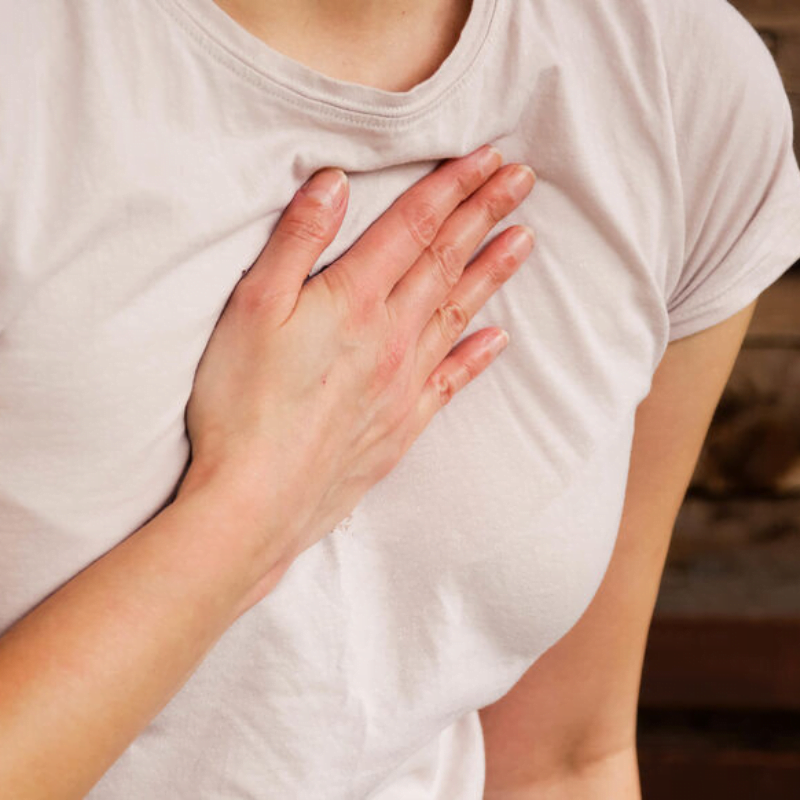
First, it’s essential to know the early signs of a heart attack. These can vary between men and women, but the most common include:
Chest pain or discomfort that feels like pressure, squeezing, or fullness
Pain radiating to arms, back, neck, jaw, or stomach
Shortness of breath
Cold sweat
Nausea or lightheadedness
Sudden fatigue or weakness
If any of these symptoms occur, especially in combination, you should suspect a heart-related emergency.
What NOT to Do: The Coughing Myth
You might have heard about the so-called “cough CPR” — the idea that deep breathing and repeated strong coughing can keep you alive during a heart attack. While this concept has circulated widely online, it’s important to understand that it is not a medically approved method and should not be relied upon in real emergencies.
The concept may have originated from hospital settings where patients with certain heart rhythm abnormalities were instructed to cough under direct medical supervision. However, in real-world, unsupervised emergencies, this method is ineffective and potentially dangerous. It can delay the most important action — calling for emergency medical help — and can even worsen the situation.
What You SHOULD Do if You’re Alone and Having a Heart Attack
Here is a step-by-step guide on how to respond wisely and safely if you suspect you’re having a heart attack and you’re alone:
1. Call for Emergency Help Immediately
Do this first. Call your country’s emergency number (like 911, 112, or 033). Even if you’re unsure whether it’s a heart attack, it’s better to be cautious. Time is critical — emergency services can begin lifesaving treatment on the way or upon arrival.
2. Chew an Aspirin — If Safe for You
If you’re not allergic and don’t have a medical condition that forbids it, chew a regular aspirin tablet (usually 325mg), or two low-dose (81mg) aspirin. Chewing it works faster than swallowing whole, and aspirin helps slow clot formation that causes most heart attacks.
3. Sit or Lie Down With Support
Position yourself comfortably. Sit down with your back supported, and if possible, raise your legs slightly using a pillow or stool. This helps blood circulation and reduces strain on your heart.
4. Stay Calm and Breathe Slowly
Panicking increases heart rate and makes the heart work harder. Instead, take slow, deep breaths through your nose, hold for a few seconds, and exhale gently. This helps calm your nervous system and stabilize oxygen levels.
5. Avoid Movement or Physical Effort
Do not try to walk, drive, or search for help unless absolutely necessary. Movement puts extra demand on your already struggling heart.
6. Keep Phone Within Reach
If you’re on the phone with emergency dispatchers, keep the line open. Follow any instructions they give you until medical professionals arrive.
Why Quick Action Matters
Time is crucial in heart attack treatment. The faster you receive medical care, the higher your chances of survival and preventing long-term heart damage. Even a few minutes can make a big difference. That’s why you should never waste time on unproven techniques. Instead, follow the steps that medical experts and emergency services recommend.
What You Can Do Now to Be Prepared
It’s wise to prepare for such an emergency in advance, especially if you are at risk (e.g., due to age, family history, blood pressure issues, or high cholesterol). Here are some steps to help:
Keep emergency numbers visible on your fridge or programmed into your phone.
Store aspirin in a reachable place at home, work, or in your bag.
Inform close friends or neighbors of your medical conditions, in case they need to act on your behalf.
Have a medical ID bracelet or phone alert if you’re at high risk.
Don’t Ignore the Warning Signs
Many people downplay their symptoms, thinking “it’s probably nothing” or “it’ll pass.” This hesitation is one of the top reasons why people don’t survive heart attacks. The body gives us signals. It’s our job to listen.
If you feel pressure, tightness, shortness of breath, or lightheadedness — don’t take chances. Treat every moment of chest pain seriously. It’s better to seek help and discover it was a false alarm than to ignore real symptoms and face irreversible damage.
Sharing This Knowledge Can Save Lives
It only takes a few moments to share this information with family and friends. And the result? You might be giving someone the tools they need to survive when no one else is around.
Think about your parents, siblings, co-workers, neighbours — do they know what to do in such a situation? If not, tell them today. You never know whose life you might save just by sharing a few words.
Final Thoughts
Heart attacks can be sudden and terrifying, especially when you’re alone. While it’s natural to panic, knowing what steps to take can give you power and control in a life-or-death moment. Ditch the myths. Focus on what’s proven:
Call for help
Chew aspirin if it’s safe
Stay still and breathe slowly
Rest and wait for medical support
And above all, don’t keep this information to yourself. Sharing knowledge is one of the most compassionate things we can do — and in this case, it might just be life-saving.








































