










How to Manage Dust Allergies: Effective Tips and a Powerful Herbal Remedy

Allergies have become one of the most common health issues of the modern world. If you suffer from dust allergies or struggle with pollen and food sensitivities, you’re certainly not alone. In fact, allergies affect a significant percentage of the global population and can range from mild discomfort to life-threatening conditions.
In this article, we will discuss:
How common allergies are
Why they occur
What happens inside your body during an allergic reaction
A time-tested herbal remedy to help support your immune system and alleviate allergic symptoms naturally
How Common Are Allergies?
Research shows that allergies affect millions of people worldwide, and the numbers continue to rise each year. Let’s take a closer look at some key statistics:
General Allergy Prevalence: An estimated 12–15% of people in modern, developed societies suffer from some form of allergy.
Hay Fever (Pollen Allergy) and Allergic Rhinitis: These conditions, caused by hypersensitivity to pollen, affect 8–10% of the population.
Allergic Dermatitis: The most common skin condition in children under 11 years old.
Urticaria (Hives) and Angioedema (Quincke’s Edema): Affect about 12% of people annually.
Drug Allergies: Occur in 2–3% of hospitalized patients.
Food Allergies: About 8% of children under 6 have some kind of food intolerance. Of these, 2–4% develop true food allergies, while in adults, the rate is 1–2%.
Anaphylaxis: A severe, immediate allergic reaction affecting approximately 3% of the population.
Unfortunately, in Georgia and many other countries, there is no comprehensive statistical database on the prevalence of allergies. However, global trends indicate a steady increase due to environmental factors, lifestyle changes, and genetics.
What Causes Allergies?
To understand how allergies work, we need to take a look inside the immune system.
The human immune system is designed to protect us from harmful agents, known as antigens, such as:
Bacteria
Viruses
Foreign proteins
When an antigen enters the body for the first time, the immune system “registers” it and produces specific antibodies to recognize and attack it in the future. This is a normal immune response, also called immunity.
However, in allergic individuals, the immune system overreacts to harmless substances such as pollen, dust, or certain foods. This overreaction triggers an allergic response, which may include symptoms such as:
Sneezing
Runny nose
Itchy, watery eyes
Skin rashes
Swelling
In severe cases: anaphylactic shock
Dust Allergies: Why They’re So Common
Dust is everywhere—in your home, workplace, and even outdoors. But it’s not the dust particles themselves that cause allergies; it’s usually the microscopic components within dust, such as:
Dust mites and their waste
Mold spores
Pet dander
Pollen particles
These allergens enter the body through the respiratory tract, triggering an immune response that leads to the classic symptoms of allergic rhinitis and hay fever.
Modern Treatment Options
Conventional treatments for allergies include:
Antihistamines – to reduce symptoms like sneezing and itching.
Corticosteroid sprays – to reduce nasal inflammation.
Allergy shots (immunotherapy) – to build long-term tolerance.
While these treatments can be effective, many people prefer to avoid long-term medication use or seek additional natural remedies to support their health. This is where traditional herbal medicine comes in.
Powerful Herbal Remedy for Allergies
If you’re looking for a natural way to support your body against dust and pollen allergies, this herbal blend has been used for generations. It is especially useful for people with persistent allergic rhinitis, skin allergies, and mild food sensitivities.
Ingredients:
Yarrow (Achillea millefolium) – 5 parts
Nettle (Urtica dioica) – 5 parts
Dandelion root (Taraxacum officinale) – 3 parts (grind through a meat grinder)
Horsetail (Equisetum arvense) – 2 parts
Corn silk (Zea mays) – 1 part
Chamomile flowers (Matricaria chamomilla) – 1 part
Rose hips (Rosa canina) – 2 parts (crushed)
Why These Herbs Work
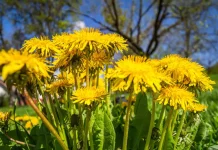
Yarrow: Known for its anti-inflammatory and immune-modulating properties.
Nettle: A natural antihistamine that helps reduce allergic symptoms.
Dandelion root: Supports liver detoxification, important for allergy management.
Horsetail: Rich in silica, helps strengthen tissues and reduce inflammation.
Corn silk: Mild diuretic and soothing agent for mucous membranes.
Chamomile: Calming and anti-inflammatory, helps reduce irritation.
Rose hips: Packed with vitamin C, essential for a strong immune system.
Preparation Method
Take 1 tablespoon of the herbal mixture.
Pour 1.25 cups of cold water over it.
Let it steep overnight (you can prepare 2–3 portions at once).
In the morning, bring the mixture to a boil.
Remove from heat, wrap the pot, and let it infuse for 4 hours.
Strain the liquid.
How to Use
Drink 1 cup throughout the day, divided into three doses, before meals.
Store the decoction in the refrigerator.
What to Expect During Treatment
When you start drinking this herbal infusion, the body begins to eliminate toxins and allergens. During this process, you may notice:
Red spots appearing on the nose, chin, hands, and feet.
Itching accompanying these spots.
Do not stop the treatment. This is a sign that your body is cleansing itself. To relieve itching, apply Mesoanisin ointment (or any soothing anti-inflammatory cream recommended by your doctor).
Treatment Duration
Continue the course for 6 months.
Avoid alcohol completely during this period, as it can interfere with the healing process.
Additional Tips for Allergy Management
While herbal remedies can provide excellent support, you should also make lifestyle adjustments to minimize exposure to allergens:
✅ Keep Your Home Clean:
Vacuum regularly using a HEPA filter vacuum.
Wash bedding in hot water weekly to kill dust mites.
✅ Reduce Dust:
Remove unnecessary rugs and heavy curtains.
Use dust-proof mattress and pillow covers.
✅ Maintain Indoor Humidity:
Keep humidity below 50% to prevent mold growth.
✅ Change Clothes After Going Outside:
This helps prevent bringing pollen indoors.
✅ Strengthen Your Immune System:
Eat a diet rich in fruits, vegetables, and omega-3 fatty acids.
Stay hydrated.
Get enough sleep and manage stress.
Final Thoughts
Dust and pollen allergies can make life miserable, but they don’t have to control your life. By combining practical prevention strategies with natural herbal remedies, you can significantly reduce your symptoms and improve your overall well-being.
This powerful herbal blend is a safe, time-tested remedy that works gradually to cleanse the body, strengthen immunity, and alleviate allergic reactions. Give it time, stay consistent, and you’ll notice a real difference.
Remember: If you experience severe allergic reactions such as difficulty breathing, facial swelling, or anaphylaxis, seek immediate medical attention. Natural remedies are excellent for supportive care, but they are not a replacement for emergency treatment in life-threatening situations.