







High blood pressure (arterial hypertension) is a condition that very often has no noticeable symptoms, which is why it is commonly referred to as the “silent killer.” Many people live with elevated blood pressure for years without realizing it, continuing their daily routines without pain, discomfort, or obvious warning signs. Unfortunately, the absence of symptoms does not mean the absence of danger.
Medical research has clearly shown that even when a person feels completely fine, persistently high blood pressure can slowly but steadily damage the body. Over time, it significantly increases the risk of serious and potentially life-threatening conditions such as stroke, heart attack, heart failure, kidney failure, and damage to blood vessels throughout the body. This is why hypertension is considered one of the most dangerous chronic conditions worldwide.
Why High Blood Pressure Is So Dangerous
One of the greatest risks of hypertension lies in its stealthy nature. Unlike many illnesses that cause pain or immediate discomfort, high blood pressure often develops silently. People may only discover it after a routine checkup or, unfortunately, after a serious complication has already occurred.
When blood pressure remains high for long periods:
The heart has to work harder to pump blood, which can lead to heart enlargement and heart failure.
Blood vessels become damaged and less elastic, increasing the risk of atherosclerosis.
The brain is put at higher risk of both ischemic and hemorrhagic strokes.
The kidneys may gradually lose their ability to filter blood effectively.
Vision problems may develop due to damage to the blood vessels in the eyes.
Factors That Increase the Risk of Hypertension
The risk of developing high blood pressure increases significantly when certain lifestyle factors are present. These include:
Excessive alcohol consumption
Chronic lack of sleep
Frequent exposure to stress and emotional tension
Smoking or frequent use of tobacco products
Sedentary lifestyle and lack of physical activity
Unhealthy diet high in salt, processed foods, and saturated fats
While genetics can also play a role, lifestyle habits are among the most important and controllable risk factors. This is why non-medication approaches can be extremely valuable, especially in the early stages of hypertension or as a complementary method alongside medical treatment.
Natural Ways to Help Balance High Blood Pressure
If you are looking for ways to help regulate high blood pressure without immediately turning to medication, certain natural techniques may be beneficial. These methods are not meant to replace medical advice or prescribed treatment, but they can support overall cardiovascular health and promote relaxation.
One such method involves gentle massage and pressure techniques that help relax the nervous system, improve circulation, and reduce tension in the neck and head area—regions closely connected to blood pressure regulation.
Below is a detailed explanation of a simple and effective technique that many people find helpful.
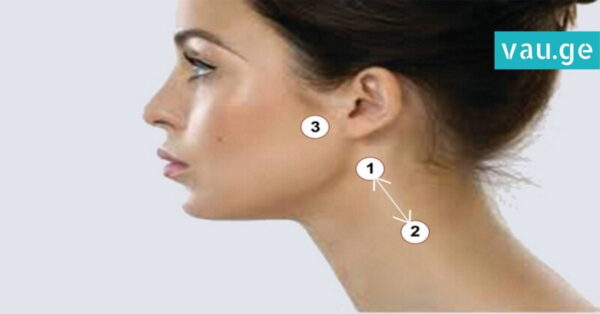
Step 1: Gentle Neck Massage Between Points 1 and 2
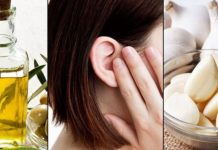
Using your finger, slowly and gently move along the area between points 1 and 2 shown in the image (if available).
Start just below the ear, at the lower part of the ear lobe.
Slowly slide your finger downward toward the middle of the neck, reaching point 2.
This movement should be smooth, calm, and relaxed.
Repeat this motion 10 times on one side of the neck.
After finishing one side, repeat the same process on the other side.
This technique helps relax the muscles in the neck, which often become tense due to stress. Relaxing these muscles may improve blood flow and send calming signals to the nervous system, which can contribute to lowering blood pressure.
While performing this massage:
Breathe slowly and deeply.
Avoid rushing the movement.
Do not apply excessive pressure—gentle firmness is sufficient.
Step 2: Applying Pressure to Point 3 on Both Sides of the Face
Next, locate point 3 on both sides of your face (as shown in the reference image).
Using your fingers, apply steady pressure to these points.
Hold the pressure for about 60 seconds.
The pressure should be noticeable but comfortable—neither too weak nor too strong.
Maintain calm, even breathing throughout the process.
This pressure technique is believed to stimulate relaxation responses in the body and may help reduce stress, which is a major contributor to high blood pressure. Stress activates the sympathetic nervous system, increasing heart rate and constricting blood vessels. By calming the nervous system, blood pressure may gradually decrease.
The Importance of Consistency and Calmness
For best results, these techniques should be practiced regularly, preferably in a quiet and relaxed environment. Consistency is key. While you may feel calmer immediately after performing the massage, long-term benefits depend on making it a regular habit.
It is also important to understand that these methods work best when combined with healthy lifestyle changes, such as:
Reducing salt intake
Eating more fruits, vegetables, and whole foods
Staying physically active
Getting enough quality sleep
Managing stress through relaxation, breathing exercises, or meditation
A Final Important Note
Although natural methods like massage and pressure techniques can be helpful, they should not replace professional medical care, especially for individuals with severe or long-standing hypertension. Always monitor your blood pressure regularly and consult a healthcare professional if your readings remain high or if you experience symptoms such as dizziness, chest pain, severe headaches, or shortness of breath.
Taking care of your blood pressure is an investment in your long-term health. By combining awareness, healthy habits, and simple natural techniques, you can take meaningful steps toward protecting your heart, brain, and overall well-being.
Wishing you good health and balance.