












How to Know If You’re Drinking Enough Water: A Simple Yet Effective Trick
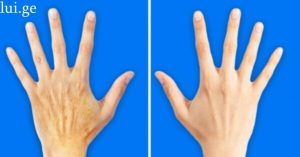
We all know the importance of staying hydrated. Drinking enough water throughout the day is one of the simplest, yet most essential steps to maintaining good health. Proper hydration affects nearly every system in the body, from digestion and circulation to skin health and cognitive function. Despite this knowledge, many people unknowingly fail to consume sufficient water, which can lead to subtle but significant health issues. Fatigue, dizziness, headaches, dry mouth, and even nausea are common early signs of dehydration.
But how can you truly know if your body is getting the water it needs? While many of us have heard the traditional advice—check the color of your urine—there are more refined and immediate ways to assess your hydration status.
Traditional Method: Urine Color
The most familiar method to gauge hydration is urine color. Light, nearly transparent urine generally indicates adequate hydration, while darker urine suggests you need more fluids. Urine that has a strong odor or dark color can signal that your body is conserving water and may be experiencing mild to moderate dehydration.
Although effective, urine color is a lagging indicator, meaning it reflects hydration status over the previous several hours rather than immediately. In other words, by the time your urine appears dark, your body may have already experienced some physiological stress due to insufficient water intake.
A Quick and Reliable Trick: Skin Turgor Test
Fortunately, there is a faster, more immediate way to assess hydration, often overlooked but extremely practical. This method is called the skin turgor test. Here’s how it works:
Take the skin on the back of one hand between your thumb and index finger.
Gently lift the skin upward.
Observe how quickly the skin returns to its normal position.
If the skin immediately snaps back into place, your hydration levels are likely adequate. However, if it takes several seconds for the skin to return to its normal state, it is a clear sign that your body may be lacking fluids and you should drink water promptly.
Why This Works
The skin’s ability to return to its original shape is scientifically referred to as turgor, which is directly related to hydration. Well-hydrated skin is elastic and resilient, while dehydrated skin loses elasticity and takes longer to bounce back. This simple test can be performed anywhere and provides a fast, visible indicator of your body’s fluid balance.
Additional Signs You May Be Dehydrated
While skin turgor is effective, there are other indicators that can signal your body needs more water:
Fatigue and lethargy: Dehydration reduces blood volume, making the heart work harder to deliver oxygen to tissues. This can leave you feeling tired and weak.
Headaches: Even mild dehydration can trigger headaches due to reduced blood flow and changes in electrolyte balance.
Dry mouth or sticky saliva: A lack of adequate fluids reduces saliva production, leaving your mouth dry.
Dizziness or lightheadedness: Lower blood volume can affect the brain’s oxygen supply, causing dizziness, especially when standing quickly.
Reduced cognitive performance: Studies show even mild dehydration can impair concentration, memory, and overall cognitive function.
Dr. Christoph Liebich, a German dermatologist, emphasizes that relying solely on skin appearance is insufficient for most people. “I prefer to link dehydration to physical symptoms such as lethargy, headaches, or dry mouth,” he explains. This is because skin may not immediately reflect the body’s hydration status, especially in colder environments or in individuals with less elastic skin.
Recommended Daily Water Intake
Hydration needs vary depending on age, gender, activity level, and climate. On a typical day, adults are advised to drink at least 1.5 liters (approximately six cups) of water, with additional fluids required during hot weather or physical activity. It is generally safer to drink water throughout the day rather than consuming large amounts all at once, as the body absorbs fluids more efficiently in smaller, steady doses.
Water is not only essential for hydration but also plays a role in temperature regulation. On hot days, water helps cool the body. Dr. Liebich recommends pouring cool water on the forearms and hands to enhance this effect. This practical tip leverages the body’s natural thermoregulation mechanism and can provide immediate relief in high temperatures.
Tips for Staying Properly Hydrated
Carry a reusable water bottle: Keep it with you throughout the day as a visual reminder to drink.
Set regular intervals: Drink a small glass of water every hour or two instead of large amounts infrequently.
Monitor color and volume of urine: Aim for light-colored, nearly clear urine without strong odor.
Use natural cues: Listen to your body; thirst, dry lips, or lightheadedness are early warning signs.
Include water-rich foods: Fruits and vegetables such as cucumbers, watermelon, oranges, and tomatoes contribute to fluid intake.
Adjust for activity and environment: Exercise, heat, and humidity increase your hydration needs.
Advanced Hydration Indicators
For those interested in more precise assessments, medical professionals may recommend:
Blood tests for electrolyte levels: Sodium and potassium levels can indicate hydration status.
Body weight monitoring: Rapid weight changes may signal fluid loss or retention.
Urine specific gravity tests: These tests measure urine concentration for more accurate monitoring.
While these methods are more technical, the skin turgor test remains one of the quickest, simplest, and cost-effective ways to check hydration in daily life.
Hydration and Overall Health
Maintaining proper hydration is critical for overall health. Water:
Supports cellular function and nutrient transport.
Assists digestion and prevents constipation.
Helps regulate body temperature through sweating and respiration.
Promotes healthy skin, preventing dryness and premature aging.
Reduces the risk of urinary tract infections and kidney stones.
Supports cognitive function, enhancing memory, focus, and mood.
Chronic mild dehydration may go unnoticed, but over time, it can contribute to fatigue, headaches, poor concentration, kidney strain, and cardiovascular stress. Simple daily practices like the skin turgor test can provide early warning signs and help prevent these outcomes.
Common Myths About Hydration
“I’ll drink only when I’m thirsty.” Thirst is a late indicator of dehydration. By the time you feel thirsty, your body may already be under stress.
“Other beverages count.” While tea, coffee, and juice contribute fluids, water remains the most efficient and calorie-free source for hydration.
“Clear urine means overhydration.” Extremely clear urine may indicate excessive water intake, which can dilute electrolytes. Balance is key.
Practical Daily Routine for Optimal Hydration
Morning: Start your day with a glass of water to replenish overnight fluid loss.
Mid-morning: Take a small water break; if possible, perform the skin turgor test on your hand.
Lunch: Drink water before and during your meal to support digestion.
Afternoon: Another glass of water mid-afternoon can combat fatigue.
Evening: Limit excessive water right before bed to avoid disrupting sleep but ensure overall daily intake is met.
Final Takeaways
Hydration is essential for energy, focus, digestion, and overall health.
Skin turgor is a simple, effective test to check hydration quickly.
Monitor physical cues like fatigue, dry mouth, and headaches.
Drink consistently throughout the day, rather than in large infrequent amounts.
Balance is key — excessive water can be just as harmful as too little.
Using these techniques, you can maintain optimal hydration, improve overall health, and feel more energetic throughout your day. Even a simple test like pinching the skin on the back of your hand can provide a reliable, immediate assessment of your hydration status, saving you from the subtle but negative effects of dehydration.
Conclusion: Proper hydration is a cornerstone of health. With simple tools like the skin turgor test and mindful drinking habits, anyone can maintain hydration, prevent fatigue, support digestion, and promote overall well-being. Staying hydrated is easy, practical, and immediately beneficial—your body will thank you.