













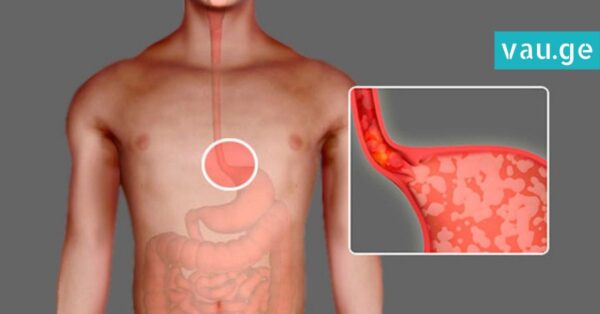
Heartburn is a common problem that affects a large number of people worldwide. It occurs when stomach acid rises into the esophagus, causing a burning sensation in the chest and throat. While occasional heartburn may not be dangerous, frequent or severe heartburn can indicate underlying conditions such as gastroesophageal reflux disease (GERD). Fortunately, there are several effective ways to prevent and alleviate heartburn. Here are the most important tips, backed by research and practical experience.
1. Consume Black Licorice
Black licorice has been used for centuries as a natural remedy for digestive issues. It contains compounds that can help soothe the stomach lining and reduce irritation caused by stomach acid. Black licorice may be particularly effective in relieving symptoms of heartburn and gastritis.
However, it is important to consume black licorice in moderation, as excessive intake can cause side effects such as increased blood pressure or reduced potassium levels. Small amounts taken after meals or as part of herbal teas can help reduce heartburn naturally.
2. Drink Aloe Vera Juice
Aloe vera is well-known for its healing and anti-inflammatory properties. Drinking aloe vera juice can help calm inflammation in the esophagus and stomach, providing relief from heartburn.
You can mix aloe vera juice with water or add it to smoothies to make it easier to consume. It is important to choose aloe vera juice that is specifically labeled for internal consumption and free from added sugars or artificial ingredients.
3. Avoid Lying Down After Eating
According to WebMD and other medical sources, lying down immediately after meals can trigger heartburn because it allows stomach acid to flow back into the esophagus. To prevent this, it is recommended to wait at least 2–3 hours after eating before lying down or going to bed.
This simple adjustment allows the digestive system to process food properly and reduces the likelihood of acid reflux. Additionally, elevating the head while sleeping, using extra pillows or a wedge pillow, can further help prevent nighttime heartburn.
4. Baking Soda (Sodium Bicarbonate)
Baking soda is a traditional home remedy for heartburn. It works by neutralizing stomach acid, providing quick relief from the burning sensation. Simply mix a small amount (about half a teaspoon) of baking soda in a glass of water and drink it.
However, this method should not be used frequently, as excessive intake of baking soda can cause nausea, electrolyte imbalances, and other health problems. Occasional use can be helpful in emergencies but should not replace other long-term strategies for preventing heartburn.
5. Exercise Regularly
Moderate physical activity can improve digestion and reduce the risk of heartburn. However, it is important to wait at least 2 hours after eating before exercising, according to WebMD recommendations. Exercising immediately after meals may increase abdominal pressure and worsen reflux symptoms.
Activities such as walking, stretching, yoga, or light aerobic exercise can help regulate digestion, reduce bloating, and strengthen the muscles that prevent acid reflux. Regular exercise also supports weight management, which is an important factor in preventing heartburn.
6. Use Fennel (Foeniculum vulgare)
Fennel has natural anti-inflammatory properties and has been traditionally used to treat digestive disorders. You can add fennel seeds to teas, soups, or meals to help reduce stomach acid and relieve heartburn.
Fennel works by relaxing the digestive tract, reducing bloating, and preventing the backward flow of stomach acid into the esophagus. It is a safe, natural option that can be included in your diet daily.
7. Eat “Heartburn-Friendly” Foods and Avoid Triggers
Certain foods are known to trigger heartburn and should be consumed in moderation or avoided. These include:
Citrus fruits (oranges, lemons, grapefruits)
Cola, coffee, and other caffeinated beverages
Alcohol, including wine, beer, and liquor
Carbonated drinks
Spicy foods
Tomatoes, garlic, onions
Peppermint
Chocolate
Instead, focus on foods that are less likely to trigger acid reflux, such as oatmeal, bananas, apples, non-citrus fruits, lean proteins, vegetables, and whole grains. Eating smaller, more frequent meals instead of large meals can also reduce heartburn episodes.
8. Eat Slowly and Mindfully
Eating slowly is extremely important for preventing heartburn. When you eat quickly, you may swallow excess air, overeat, and overload the stomach, which increases pressure and triggers acid reflux. Take time to chew each bite thoroughly and enjoy your meal. Mindful eating helps your body signal fullness and supports proper digestion.
9. Maintain a Healthy Weight
Excess weight, especially around the abdomen, can put pressure on the stomach and cause stomach acid to flow back into the esophagus. Maintaining a healthy weight through a balanced diet and regular exercise is one of the most effective long-term strategies to prevent heartburn.
10. Avoid Tight Clothing
Wearing tight clothing, particularly around the waist, can increase abdominal pressure and trigger reflux. Opt for loose, comfortable clothing, especially after meals, to allow the stomach and digestive tract to function properly.
11. Manage Stress
Stress can worsen heartburn by increasing acid production and slowing digestion. Techniques such as deep breathing, meditation, yoga, and spending time in nature can reduce stress and improve digestive health. Managing stress also supports overall well-being and prevents chronic gastrointestinal problems.
Conclusion
Heartburn is a common and often uncomfortable condition, but it can be managed and prevented with the right strategies. Consuming natural remedies like black licorice, aloe vera, and fennel, avoiding trigger foods, eating slowly, exercising regularly, maintaining a healthy weight, and managing stress can all help prevent heartburn.
Simple lifestyle changes—such as not lying down after meals, avoiding tight clothing, and reducing caffeine and alcohol intake—can make a significant difference. By following these tips consistently, you can enjoy better digestive health, reduce discomfort, and improve your overall quality of life.
Preventing heartburn is not just about temporary relief; it is about long-term health and maintaining a healthy digestive system. Implementing these strategies can help you avoid the pain and discomfort associated with acid reflux while promoting overall well-being.