














How to Beat Swelling the Simple Way
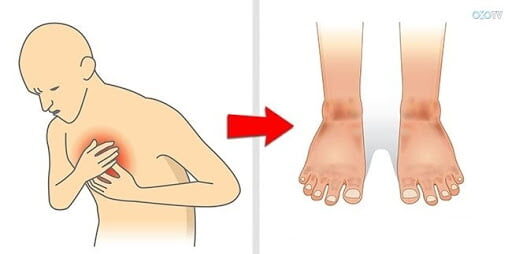
We’ve all been there: a long day of walking, sitting in a plane for hours, or enduring hot weather—and suddenly, your feet and ankles start to swell. For most people, this is nothing alarming. However, sometimes swelling is a warning sign of a serious health issue that should never be ignored.
When the body literally starts to retain excess fluid, it can lead to severe complications if left untreated. So, what exactly causes swelling, when is it dangerous, and what can you do to prevent or reduce it naturally? Let’s explore.
What Causes Swelling?
The human body carefully regulates the amount of fluid within its system. It precisely controls:
How much fluid circulates through the blood vessels
How much stays in the spaces between tissues (also called interstitial space)
Swelling (or edema) occurs when this delicate balance is disrupted—specifically, when too much fluid moves into the interstitial space or when the body fails to reabsorb it effectively.
The Science Behind Swelling: Two Key Factors
To understand swelling, you need to know about two important forces:
Hydrostatic Pressure – This is the pressure exerted by blood inside the capillaries, largely driven by the pumping action of the heart.
Oncotic Pressure – This is created by plasma proteins in the blood, which help pull water back into the blood vessels.
Under normal conditions, these forces work together to keep fluid where it belongs. However, problems arise when:
Hydrostatic pressure is too high, pushing fluid out of blood vessels.
Oncotic pressure is too low, meaning there aren’t enough proteins to pull fluid back in.
The permeability of capillary walls increases (often due to inflammation), allowing not just water but also proteins to leak out.
Lymphatic vessels are blocked, causing lymph—a protein-rich fluid—to accumulate in tissues.
There is excessive retention of sodium (and water) in the body.
In Summary, Swelling Occurs When:
Blood vessels have high hydrostatic pressure
Blood vessels have low oncotic pressure due to reduced protein concentration
Interstitial space has increased oncotic pressure (too many proteins outside blood vessels)
Capillary walls become more permeable (often during inflammation)
Lymphatic drainage is impaired
The body retains too much water and sodium
This explains why swelling is not a standalone condition—it can be a symptom of many underlying issues.
When Is Swelling Dangerous?
Swelling can affect the entire body (generalized edema) or be localized to one area, such as the feet, ankles, or hands. While mild swelling from heat, long travel, or standing for hours is common and usually harmless, persistent or severe swelling could indicate:
Heart failure
Kidney disease
Liver problems
Venous insufficiency or blood clots
Severe infections or allergic reactions
If swelling is sudden, painful, or accompanied by symptoms like shortness of breath, chest pain, or severe fatigue, seek medical attention immediately.
Why Do Feet and Ankles Swell So Often?
Gravity plays a big role. When you sit or stand for long periods, blood and fluid naturally pool in the lower extremities. Combine this with hot weather or dehydration, and swelling becomes even more likely. But while this type of swelling is usually harmless, it’s still uncomfortable—and in some cases, it can lead to more serious issues if ignored.
Natural Ways to Reduce Swelling
Here’s the good news: you can prevent and manage mild swelling naturally without expensive treatments or medications—unless it’s linked to a serious condition that requires medical care.
Lifestyle Tips to Reduce Swelling
Stay active: Movement promotes circulation and prevents fluid buildup.
Elevate your legs: Lifting your legs above heart level for 15–20 minutes can reduce ankle swelling.
Stay hydrated: Drinking water helps flush out excess sodium.
Reduce salt intake: Sodium makes your body hold onto water.
Wear compression socks: They improve circulation in the legs.
Massage and lymphatic drainage: Gentle massage can stimulate fluid movement.
In addition to these habits, you can incorporate anti-swelling foods and drinks into your diet. One of the easiest and most effective solutions? A homemade anti-swelling smoothie packed with natural diuretic and detoxifying ingredients.
The Anti-Swelling Smoothie Recipe
This refreshing smoothie helps reduce fluid retention naturally while nourishing your body with essential vitamins, antioxidants, and fiber. Here’s what you’ll need:
Ingredients
½ grapefruit or 1 orange
1 apple
A few sprigs of dill and parsley OR 50 g of fennel
300 ml purified water
Why These Ingredients Work
Grapefruit and Orange: Both fruits are rich in potassium, which helps regulate fluid balance, supports heart health, and controls blood pressure.
Apple: Packed with pectin, apples aid digestion, detoxify the body, lower cholesterol, reduce inflammation, and support healthy bowel function.
Dill, Parsley, and Fennel: These herbs are natural antioxidants with anti-cancer properties. They are rich in phytonutrients and vitamin C, improve digestion, promote weight loss, and act as powerful natural diuretics, helping the body eliminate excess water.
Preparation and Usage
Combine all ingredients in a blender.
Blend until smooth and uniform in texture.
Drink one glass on an empty stomach every third day.
Continue this regimen until you achieve the desired results. Consistency is key for maximum benefits.
How Does This Smoothie Help?
This combination of ingredients:
Flushes out excess water and toxins
Reduces bloating and swelling naturally
Supports digestion and metabolism
Boosts immunity with antioxidants and vitamin C
Unlike synthetic diuretics, this drink works gently with your body and adds essential nutrients instead of depleting them.
Additional Natural Remedies for Swelling
In addition to this smoothie, you can incorporate these anti-swelling foods and drinks into your routine:
Cucumber and watermelon: Both are high in water and act as natural diuretics.
Green tea: Promotes detoxification and reduces water retention.
Celery and asparagus: Excellent for flushing out excess sodium and fluid.
Lemon water: Stimulates kidney function and helps maintain fluid balance.
Important Note on Persistent Swelling
While these natural methods are effective for mild swelling caused by lifestyle or environmental factors, they are not a substitute for medical treatment when swelling is linked to serious conditions like heart failure, kidney disease, or venous disorders. If swelling persists despite lifestyle changes, consult your healthcare provider for proper diagnosis and treatment.
The Bottom Line
Swelling is often harmless, but it can also signal underlying health problems. Understanding its causes helps you take the right action. Simple lifestyle adjustments—combined with natural remedies like the grapefruit, apple, and herb smoothie—can make a significant difference in reducing discomfort and promoting overall health.
So the next time your feet start to puff up after a long day, don’t panic. Instead, give your body the support it needs with hydration, movement, and nature’s powerful ingredients.
Quick Recap
✔ Swelling happens when fluid accumulates in tissues due to various factors.
✔ Mild swelling from heat or prolonged sitting is usually harmless, but chronic swelling can indicate serious illness.
✔ Lifestyle tips (hydration, movement, reduced salt intake) and natural remedies (like our anti-swelling smoothie) can help.
✔ Always seek medical advice if swelling is sudden, severe, or persistent.