













To begin with, it is important to identify the main contributing factors behind seasonal illnesses such as colds and the flu. These often include vitamin D deficiency, lack of sleep, chronic stress, poor nutrition, and weakened immunity. When the immune system is compromised, the body becomes more vulnerable to viruses that circulate especially during colder months.

A common cold is typically characterized by nasal congestion or a runny nose, frequent sneezing, coughing, and a scratchy or sore throat. The flu, on the other hand, may involve more severe symptoms such as high fever, body aches, fatigue, headaches, and chills. Although these conditions are usually self-limiting, improper care or neglect can worsen symptoms and prolong recovery.
Identifying and Addressing Root Causes
One of the most important preventive strategies is maintaining strong immune function. Vitamin D deficiency, for example, has been linked to increased susceptibility to respiratory infections. Since vitamin D is synthesized through sunlight exposure, people living in colder climates or spending most of their time indoors may require dietary sources or supplements.
Adequate sleep is equally essential. During deep sleep, the body repairs tissues, regulates immune responses, and produces infection-fighting cells. Chronic sleep deprivation weakens immune defenses, making it easier for viruses to spread in the body. Adults are generally advised to sleep 7–9 hours per night to maintain optimal health.
Stress management also plays a critical role. Long-term stress increases cortisol levels, which can suppress immune function. Relaxation techniques such as breathing exercises, light physical activity, meditation, and spending time outdoors can help maintain balance.
A Popular Home Remedy: Hydrogen Peroxide in the Ear
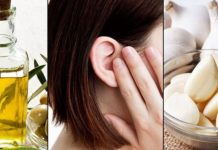
Some alternative health recommendations suggest that, at the very beginning of a cold or flu, placing 3–5 drops of 3% hydrogen peroxide into each ear may help. According to this method, a bubbling or crackling sound may be heard, which is considered normal. A slight tingling sensation may also occur. After waiting approximately 5–10 minutes for the bubbling to subside, the excess liquid is drained onto a tissue, and the process is repeated in the other ear.
Hydrogen peroxide 3% solution is available at most pharmacies. However, it is important to note that such home remedies should be approached with caution. Individuals with ear problems, ear infections, perforated eardrums, or sensitivity should consult a healthcare professional before trying this method. While some people report relief, scientific evidence supporting this practice for flu treatment is limited.
Black Currant as a Natural Support
Black currant is considered a highly effective natural remedy during cold and flu season. It does not matter in what form it is consumed—whether as jam, dried leaves, or fresh berries. Black currants are rich in vitamin C and antioxidants, which support immune function and help the body fight infection.
To prepare black currant tea, pour boiling water over berries or leaves and allow them to steep. Drinking 3–4 cups per day may help soothe symptoms and provide hydration. Warm fluids in general are beneficial because they help relieve throat irritation, reduce congestion, and maintain proper hydration.
Garlic, Lemon, and Mint Drink
Another natural drink can be prepared as follows:
Bring one cup of water to a boil. Finely chop one clove of garlic and place it into the cup. Crush it gently with a spoon to release its juices. Add the juice of one-quarter of a lemon and one teaspoon of mint. Drink this mixture twice a day.
Garlic contains allicin, a compound known for its antimicrobial properties. Lemon provides vitamin C, while mint may soothe the throat and support digestion. Together, these ingredients create a warming, immune-supportive beverage.
Strengthening Immunity to Prevent Colds
Preventing colds and flu requires consistent immune support. Consuming foods and drinks rich in vitamins D, E, and C is essential. Citrus fruits, berries, leafy greens, nuts, seeds, fish, and fermented foods all contribute to immune health.
Hydration is equally important. Drinking enough water helps maintain mucous membrane moisture, which acts as a protective barrier against viruses. Herbal teas, broths, and warm water with honey and lemon can also be helpful.
Regular moderate exercise improves circulation and supports immune cell activity. However, intense exercise during active illness may worsen symptoms, so rest is crucial if infection develops.
Maintaining good hygiene practices is one of the most effective preventive measures. Washing hands regularly, avoiding touching the face, disinfecting frequently used surfaces, and keeping distance from infected individuals significantly reduce the risk of transmission.
Avoiding Complications
If you already have a cold, it is important not to worsen the condition. Rest allows the immune system to focus on fighting infection. Overexertion, exposure to cold weather without protection, or ignoring symptoms can prolong illness.
Proper nutrition during illness supports recovery. Light soups, fruits, vegetables, and protein-rich foods help provide essential nutrients. Avoiding excessive sugar and processed foods may reduce inflammation.
If symptoms such as high fever, difficulty breathing, severe weakness, or chest pain appear, medical consultation is necessary. While home remedies can support mild cases, professional medical care is essential for severe or prolonged illness.
Natural Living and Practical Solutions
Many platforms focus on promoting natural remedies, home-based solutions, and cost-effective health practices. The main goal of such initiatives is to provide information about natural ingredients and simple recipes that help improve health, enhance beauty, and simplify everyday life.
The idea is that maintaining health does not always require expensive procedures or costly products. Many effective remedies can be prepared at home using ingredients commonly found in kitchens or gardens. By adopting healthy daily habits, individuals can save money while improving overall well-being.
Much of the knowledge gained through natural health advice often becomes part of daily routines. People frequently share these experiences with family and friends, creating a broader culture of preventative care and healthy living.
Conclusion
Preventing the flu and avoiding the worsening of a cold requires a comprehensive approach: strengthening immunity, ensuring adequate sleep, managing stress, maintaining hygiene, and consuming nutrient-rich foods. Natural remedies such as black currant tea, garlic-lemon drinks, and supportive home practices may complement healthy habits, but they should not replace professional medical advice when needed.
Ultimately, consistency in healthy lifestyle choices is the most reliable way to reduce the risk of seasonal illness. By taking simple preventive measures at home, maintaining balanced nutrition, and responding to early symptoms responsibly, individuals can protect their health effectively and naturally.