












How I Got Rid of Cracked Heels for Good – And You Can Too!
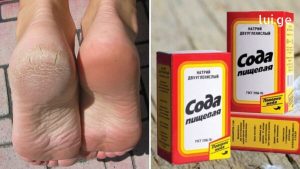
Cracked heels, dry feet, and other related issues might seem like minor inconveniences, but anyone who has experienced them knows how frustrating and uncomfortable they can be. Not only do they affect the way your feet look, but they can also cause pain, irritation, and even infections if left untreated.
I personally struggled with cracked heels for a long time. I tried expensive creams, professional pedicures, and various home remedies, but nothing seemed to give me lasting relief. Then I discovered a simple, natural method that completely transformed my feet. Today, I want to share that method with you because it’s affordable, easy to do at home, and truly works.
Why Do Heels Crack? Understanding the Root Cause
Before we talk about the remedy, it’s important to understand why cracked heels happen in the first place. Many people think it’s just about dry skin, but the truth is more complex.
The Structure of Heel Skin
The skin on our heels is naturally thicker and tougher than on other parts of the body. Why? Because our heels bear the weight of our entire body every time we stand or walk. This extra pressure means the skin in this area needs to be more resilient.
However, this same feature makes heels prone to dryness and cracking. When the skin loses its moisture and elasticity, small fissures start to appear. Over time, these cracks can deepen, causing pain and even bleeding.
The Role of Hyperkeratosis
One of the key processes involved in cracked heels is something called hyperkeratosis. This is when the rate of new skin cell formation becomes much faster than the natural shedding process. In other words, your body starts producing new skin cells at a rapid pace, but the old cells aren’t removed as quickly. This results in a thick, hard layer of skin that eventually splits and cracks under pressure.
Common Causes of Cracked Heels
Several factors can lead to this imbalance and cause cracked heels:
Ill-fitting shoes: Tight shoes can cause excessive friction, leading to thick skin buildup.
High heels or flat shoes: Improper weight distribution on the foot can lead to stress on certain areas.
Lack of moisture: Not moisturizing your feet regularly can cause the skin to dry out.
Standing for long periods: This puts extra pressure on your heels.
Medical conditions: Diabetes, thyroid issues, and skin conditions like eczema can also contribute.
Why Treating the Cause Matters
Before you start any treatment for cracked heels, it’s crucial to identify the underlying cause. Without addressing the root issue, even the best creams or home remedies may only provide temporary relief. For example, if ill-fitting shoes are the problem, you’ll need to switch to properly fitting footwear.
The Importance of Hygiene and Diet
Personal hygiene and proper nutrition play a big role in keeping your feet healthy. Regular washing, exfoliating, and moisturizing are essential steps in any foot care routine. Additionally, a diet rich in vitamins and minerals (especially Vitamin E, Omega-3 fatty acids, and zinc) supports healthy skin regeneration.
The Simple Home Remedy That Changed Everything
Now let’s get to the part you’ve been waiting for—the easy, effective treatment that can help you get rid of cracked heels and keep your feet soft and smooth.
The best part? The ingredients are probably already in your kitchen! No need for expensive foot creams or salon treatments.
What You’ll Need:
3–4 cups of milk
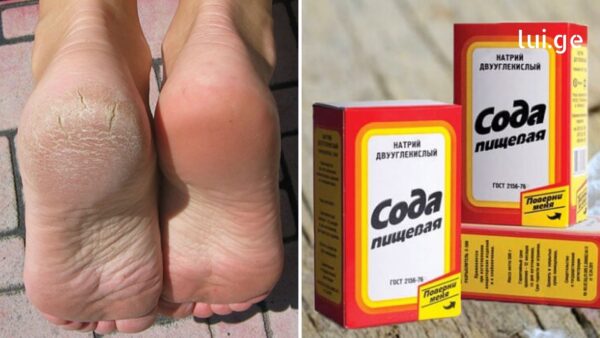
3 tablespoons of baking soda
That’s it! Just two common ingredients, and you’re ready to go.
Why These Ingredients Work
Milk: Rich in lactic acid, milk acts as a natural exfoliant, helping to remove dead skin cells. It also contains vitamins and minerals that nourish and soften the skin.
Baking soda: A natural cleanser and exfoliant, baking soda helps soften rough skin and maintain the pH balance of your feet, preventing further cracking.
Step-by-Step Preparation and Application
Here’s how to make and use this powerful remedy:
Warm the Milk
Pour 3–4 cups of milk into a pot and warm it gently on the stove. It should be warm but not too hot—comfortable enough for you to soak your feet.
Prepare the Foot Soak
Transfer the warm milk into a basin or large bowl where you can comfortably place your feet. Add 3 tablespoons of baking soda and stir well until it dissolves completely.
Soak Your Feet
Place your feet in the mixture and relax for 10 minutes. This allows the milk and baking soda to work their magic—softening dead skin and loosening the thickened layers.
Rinse and Dry
After 10 minutes, remove your feet and rinse them with warm water. Pat dry thoroughly with a clean towel.
Moisturize
Immediately apply your favorite foot cream or a natural moisturizer like coconut oil or shea butter. This step locks in moisture and keeps your skin soft.
Why This Method Works So Well
This treatment combines gentle exfoliation, hydration, and pH balancing in one simple routine. Unlike harsh scrubs or chemical treatments, this method:
Softens and removes dead skin without irritation
Restores moisture to prevent further cracking
Relaxes tired feet, making it perfect after a long day
Additional Tips for Best Results
Repeat regularly: For severely cracked heels, do this soak 2–3 times per week until you see improvement. For maintenance, once a week is enough.
Use proper footwear: Avoid shoes that are too tight or offer no arch support.
Stay hydrated: Drink plenty of water to keep your skin hydrated from within.
Exfoliate gently: You can use a pumice stone after soaking to remove softened dead skin, but don’t overdo it.
Moisturize daily: Even when you’re not doing the soak, apply a good foot cream every night.
The Role of Consistency
Like most natural remedies, this isn’t a one-time miracle. It requires consistency. After a few sessions, you’ll notice:
Softer heels
Reduced cracks and dryness
Overall healthier feet
But to maintain these results, make foot care a regular part of your self-care routine.
Common Mistakes to Avoid
Skipping moisturizer: Soaking without moisturizing afterward can make dryness worse.
Using boiling hot milk: This can burn your skin or cause irritation. Warm is best.
Ignoring underlying issues: If cracked heels are due to medical conditions, consult a doctor before relying solely on home remedies.
The Results: My Personal Experience
When I first tried this remedy, I honestly didn’t expect much. But after just one week of consistent use, my heels were noticeably smoother. After two weeks, the cracks had completely disappeared.
Today, I no longer feel embarrassed about wearing sandals or going barefoot at home. My feet feel soft, healthy, and beautiful—all thanks to this simple two-ingredient soak.
Final Thoughts
Cracked heels are a common problem, but they don’t have to be a permanent one. With a little care, the right ingredients, and some consistency, you can restore your feet to their natural beauty.
So the next time you notice dryness or small cracks, don’t rush to buy expensive products. Just grab some milk and baking soda from your kitchen and give this method a try. Your feet will thank you!