













Heart attacks are often thought of as primarily affecting men, but women experience them too, and the symptoms can sometimes differ or appear less obvious. Understanding these warning signs is crucial because early recognition can save lives. Paying attention to subtle cues your body gives is essential to prevent serious complications. Below, we outline the main symptoms of a heart attack in women and explain why it is so important to act quickly.
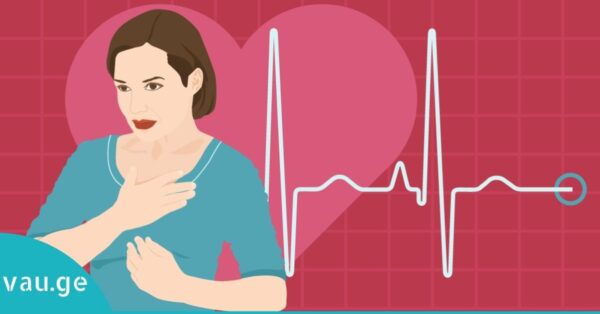
Chest Pain or Discomfort
One of the most recognizable symptoms of a heart attack is pain or discomfort in the center of the chest. In women, this may not always manifest as the classic sharp or crushing pain that many imagine. Instead, it can present as intermittent, dull, or pressure-like sensations. Some women describe it as a feeling of heaviness, tightness, or squeezing in the chest. This discomfort can last for several minutes or come and go, and it may be accompanied by shortness of breath or nausea.
Heaviness or Pressure in the Head
A sensation of heaviness in the head, combined with difficulty breathing or dizziness, can also signal heart problems. Women may experience lightheadedness, blurred vision, or a general feeling of fatigue that seems disproportionate to their activity level. If you feel unusually weak or short of breath without a clear reason, it is critical to consult a doctor immediately, as this can be an early warning of cardiovascular distress.
Nausea and Shortness of Breath
According to the American Heart Association, nausea, shortness of breath, and pain in the bones or lower back can be linked to heart attacks in women. Nausea may occur alone or along with vomiting, and these gastrointestinal symptoms are sometimes mistaken for other conditions like the flu, food poisoning, or stomach upset. Shortness of breath, even without chest pain, is a serious symptom and should never be ignored. Women may find themselves struggling to breathe during simple activities or while at rest, signaling the heart is not getting enough oxygen.
Abdominal Discomfort
For women, abdominal discomfort or indigestion can sometimes precede a heart attack. This may appear as bloating, stomach pressure, or mild cramps. Because these symptoms are less specific than chest pain, they are often overlooked or misattributed to digestive issues. However, it is important to note that unexplained abdominal pain combined with fatigue, dizziness, or shortness of breath can be a warning sign of a cardiovascular event. Paying close attention to these symptoms and acting promptly can make a significant difference in outcomes.
Neck and Shoulder Pain
Pain in the neck and shoulders is another important warning signal for women. Unlike men, who often experience more chest-focused symptoms, women may feel discomfort in the upper back, shoulders, or neck. This can be dull, aching, or radiating and is often mistaken for muscle strain or tension. Any persistent or unexplained pain in these areas, especially when combined with the symptoms described above, should prompt immediate medical consultation.
Other Signs to Watch For
Women may also experience cold sweats, unusual fatigue, palpitations, or anxiety-like feelings. These symptoms may appear days or weeks before the main heart attack event, sometimes referred to as “prodromal symptoms.” Ignoring these warning signs can delay treatment and increase the risk of severe cardiac events.
Why Early Recognition is Critical
Recognizing the early signs of a heart attack is vital because timely medical intervention can significantly reduce damage to the heart muscle. Women, in particular, are sometimes less likely to seek immediate care due to atypical symptoms or misinterpretation of their signs. Education and awareness are essential. Women should not wait to see if the symptoms disappear on their own. Immediate medical evaluation is always safer than assuming the symptoms are minor.
Integrating Natural Health Practices
In addition to monitoring warning signs, adopting healthy lifestyle practices can support cardiovascular health. Vau.ge is a platform dedicated to offering advice on health, self-care, and daily life practices. The goal is to provide information on natural remedies and recipes that can help improve overall health, enhance beauty, and simplify daily routines. By integrating natural practices into everyday life, individuals can take proactive steps to strengthen their bodies and maintain vitality.
For example, incorporating a balanced diet rich in whole grains, fresh vegetables, fruits, and natural sources of healthy fats can support heart health. Simple lifestyle changes such as regular physical activity, stress management, adequate hydration, and quality sleep are also crucial. These practices complement modern medicine and can help reduce risk factors for cardiovascular disease, including high blood pressure, high cholesterol, and obesity.
Sharing Knowledge and Supporting Others
Many tips and recipes available on Vau.ge are designed to be accessible and affordable. They use ingredients commonly found at home or in the garden, making it easier for anyone to implement these practices without expensive products or treatments. Sharing these insights with family and friends not only spreads awareness but also encourages collective action toward healthier lifestyles.
The knowledge gained from Vau.ge can become part of your daily routine, helping you create a sustainable approach to health that benefits both you and those around you. By paying attention to warning signs like chest discomfort, neck or shoulder pain, and abdominal distress, and combining this awareness with natural health practices, women can significantly improve their heart health and overall well-being.
Consultation and Safety
While natural remedies and lifestyle adjustments are valuable, they are not substitutes for professional medical care. Women who experience any of the symptoms outlined above should seek medical attention immediately. Consulting with a healthcare professional ensures proper diagnosis, treatment, and monitoring. Regular check-ups, heart screenings, and discussions with your doctor about risk factors are essential components of preventive health care.
Conclusion
Heart attacks in women can present differently than in men, making awareness and vigilance critically important. Key symptoms include:
Discomfort or pain in the center of the chest
Heaviness or pressure in the head
Nausea and shortness of breath
Abdominal discomfort or bloating
Pain in the neck, shoulders, or upper back
Ignoring these signs can have serious consequences. By paying attention, seeking prompt medical care, and adopting a heart-healthy lifestyle with natural remedies, women can protect their cardiovascular health. Platforms like Vau.ge provide guidance on integrating these practices safely and affordably, making it easier to maintain health, prevent disease, and lead a more balanced life.
Remember, your body communicates with you constantly. Listening carefully to these signals, combining awareness with natural health strategies, and seeking timely medical attention are key to preserving your heart health and overall quality of life.