















An ingrown toenail is a fairly common condition that can affect people of any age. It occurs when the edge of the nail—most often on the big toe—grows into the surrounding soft tissue instead of growing straight outward. At first, a person may feel mild discomfort or a slight stabbing pain while walking. Many people tend to ignore these early signs, thinking the problem will resolve on its own. However, proper treatment is important, because an untreated ingrown toenail can lead to increased pain, swelling, and in some cases even infection.
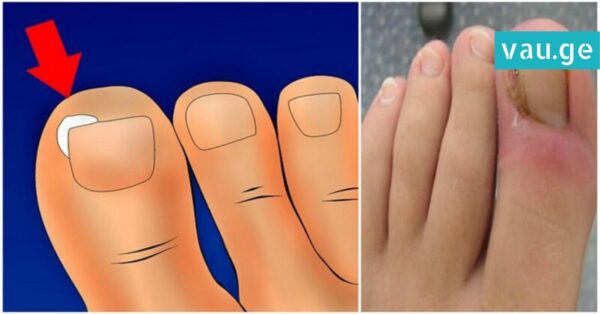
The earliest symptoms include tenderness around the nail, slight redness, and swelling. As the nail continues to grow into the skin, the discomfort intensifies, especially when wearing tight shoes or walking for long periods. If bacteria enter the irritated skin, infection can develop, causing pus, more severe redness, warmth, and throbbing pain. For this reason, it is crucial not to overlook the initial symptoms. The sooner you begin treatment, the easier it is to correct the problem and prevent complications.
One of the simplest home remedies that can help manage and even resolve an ingrown toenail involves the use of a regular cotton swab or a piece of soft cotton and a pair of tweezers. Before starting, it is essential to soak your feet in warm water. The water temperature should be comfortable—not too hot, but warm enough to soften the nail and the surrounding skin. Adding a small amount of salt to the water can help reduce inflammation and kill bacteria. Soak your foot for about 15–20 minutes. This softens the skin around the nail, making it easier and less painful to lift the ingrown edge.
After soaking, dry your foot gently with a clean towel. Then, using clean tweezers, carefully lift the curved corner of the ingrown nail. You do not need to pull it up forcefully—just raise it slightly so that you can place a tiny piece of cotton underneath. This small piece of cotton acts as a barrier, helping the nail grow outward instead of further into the skin. Replace the cotton every time you soak your foot, ensuring that it stays clean and dry. This process may take several days or even a week, but with consistency, it often leads to noticeable improvement.
In addition to the cotton method, it is helpful to keep the affected area clean throughout the day. Applying an antiseptic or an antibiotic ointment can reduce the risk of infection. If the skin is already inflamed or painful, you may also use over-the-counter pain relievers to ease discomfort. However, medications will not fix the underlying problem—they simply help you manage symptoms while the nail grows into the correct position.
Footwear also plays a significant role in the healing process. Avoid narrow, tight shoes that put pressure on the toes. Instead, wear open-toed or soft, wide shoes that allow your toes enough space. This reduces irritation and prevents the nail from pressing further into the skin. If your activities require you to wear closed shoes, choose those with a wide front and soft material.
Many people develop ingrown toenails because they cut their nails incorrectly. To prevent the issue from recurring, it is important not to cut nails too short or in a curved shape. Nails should be trimmed straight across, leaving a bit of length at the front. Rounding the edges may make the nail more likely to grow into the skin. Keeping your feet dry and maintaining good hygiene also lowers the chances of developing this condition.
Sometimes, even with consistent home care, the problem may not improve. If you notice worsening pain, persistent swelling, pus discharge, or difficulty walking, you should seek medical attention. A healthcare professional can safely remove part of the nail or treat an infection if one is present. In severe or recurring cases, minor outpatient procedures may be recommended to prevent the nail from growing inward again.
Although ingrown toenails can be uncomfortable and sometimes painful, they are often manageable at home with patience and proper care. Warm water soaking, gentle lifting of the nail, and placement of cotton are simple yet effective steps that many people use to resolve the issue. Paying attention to footwear choices and nail-trimming habits can further reduce the risk of recurrence. Most importantly, listening to your body and addressing symptoms early can prevent the condition from becoming more serious.
By consistently following these home-treatment steps and being attentive to your nail health, you can successfully manage an ingrown toenail and keep your feet comfortable and healthy.








































