










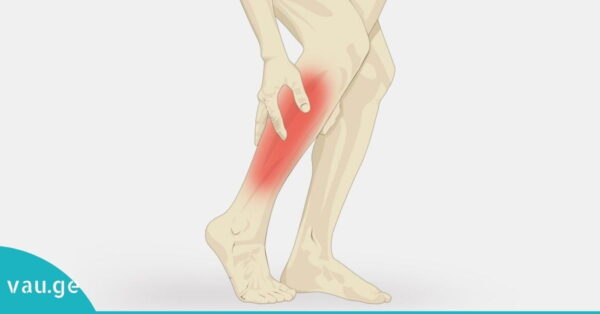
Almost all of us have experienced it at least once: a sudden, sharp, and intense pain in the leg that seems to come out of nowhere. A muscle spasm in the leg can be so painful that it feels as if all strength has left the body. It may wake you up in the middle of the night, interrupt your exercise routine, or strike unexpectedly while you are simply resting. In those moments, the discomfort can feel overwhelming.
So how can you help yourself in this situation?
Muscle cramps occur when a muscle suddenly contracts and cannot relax. This involuntary tightening may last for a few seconds or several minutes. In most cases, cramps affect the calf muscles, but they can also occur in the thighs or feet. While they are usually harmless, they can be extremely uncomfortable.
There are various reasons why muscle spasms occur. Most commonly, they are caused by dehydration and muscle overuse. When the body loses too much fluid, the balance of electrolytes—such as potassium, sodium, calcium, and magnesium—can be disrupted. These minerals play a crucial role in muscle contraction and relaxation. If their levels drop, muscles may respond with painful cramping.
However, the problem can sometimes be more serious. Leg cramps may also be linked to poor blood circulation in the legs, nerve compression, prolonged sitting or standing, pregnancy, or deficiencies in important minerals. In rare cases, frequent and severe cramps may indicate an underlying medical condition that requires professional evaluation.
To prevent or relieve spasms, you can try several effective methods:
1. Cold Compress
Applying a cold compress can help reduce inflammation and numb the pain. Gently massage the affected muscle with an ice pack wrapped in a cloth. Cold therapy can calm irritated muscle fibers and may relieve the spasm within just a few minutes. Be careful not to apply ice directly to the skin for prolonged periods, as it may cause irritation.
2. Hot Compress
For some people, heat works better than cold. Warmth helps relax tight muscles and improve blood circulation in the affected area. If a cold compress does not help, try placing a warm towel, heating pad, or hot water bottle on the muscle. A warm bath or shower can also provide relief by allowing the entire body to relax.
3. Drink Water
Chronic or recurring cramps are often related to dehydration. Drinking enough fluids throughout the day is essential for proper muscle function. Water supports circulation and helps maintain the balance of electrolytes. If you sweat heavily due to exercise or hot weather, you may need additional fluids to replace what your body has lost.
4. Stretching
Stretching is one of the most effective immediate solutions for muscle spasms. If you experience a calf cramp, stand facing a wall. Place your hands against the wall for support. Move the leg affected by the spasm slightly backward while keeping the heel flat on the ground. Bend your front knee and gently lean forward. This position stretches the calf muscle and can help it relax. Hold the stretch for 20–30 seconds and repeat if necessary.
Gentle stretching not only relieves existing cramps but also helps prevent future ones by keeping muscles flexible.
5. Apple Cider Vinegar
Apple cider vinegar contains minerals such as calcium and potassium, which are essential for muscle function. A deficiency in these minerals is a common cause of frequent leg cramps. To potentially reduce the risk of spasms, mix 1 tablespoon of apple cider vinegar into a glass of water and drink it. While scientific evidence is limited, many people find this natural remedy helpful as part of a balanced diet.
6. Salt Water
Sports trainers often recommend salt water to treat and prevent muscle cramps. Sodium plays a key role in maintaining fluid balance and muscle contraction. If cramps occur after intense physical activity and heavy sweating, replenishing sodium levels may help. However, it is important not to consume excessive amounts of salt, especially if you have high blood pressure or other cardiovascular concerns.
Beyond these immediate remedies, long-term prevention is equally important. Regular physical activity keeps muscles strong and flexible, but overexertion should be avoided. Gradually increase exercise intensity and always warm up before workouts. Stretching after exercise helps muscles recover and reduces the likelihood of cramping later.
Maintaining a balanced diet is also crucial. Foods rich in potassium (such as bananas, spinach, and sweet potatoes), magnesium (nuts, seeds, whole grains), and calcium (dairy products, leafy greens) support healthy muscle function. If you suspect a mineral deficiency, consulting a healthcare professional may be beneficial.
In addition, paying attention to posture and circulation can make a difference. Avoid sitting or standing in one position for too long. If you have a desk job, try to move around every hour. Elevating your legs occasionally can also improve circulation.
While occasional leg cramps are usually harmless, you should seek medical advice if they occur frequently, are unusually severe, or are accompanied by swelling, redness, or persistent pain. These symptoms may indicate a more serious issue that requires professional care.
About Vau.ge
Vau.ge is a platform that offers advice on health, self-care, and everyday activities. Our goal is to provide information about natural remedies and practical recipes that help improve your health, enhance your appearance, and simplify daily life. Most importantly, you can apply these methods at home, enjoy the process, and save a considerable amount of money.
Much of the information you discover on our website can easily become part of your daily routine. You may find yourself sharing your experience with friends and family, helping even more people improve their everyday lives. Vau.ge aims to demonstrate that expensive procedures and costly products are not always necessary to stay healthy, look beautiful, and manage a household successfully.
You can often achieve excellent results at home using simple remedies and ingredients commonly found in your kitchen or garden. By making small changes and incorporating practical, natural solutions into your routine, you can support your well-being in an accessible and affordable way.
Leg cramps may be common, but they do not have to control your comfort or quality of life. With proper hydration, stretching, balanced nutrition, and simple home remedies, you can significantly reduce their frequency and intensity. Taking care of your body consistently is the best prevention, and even small daily habits can make a meaningful difference in how you feel.