














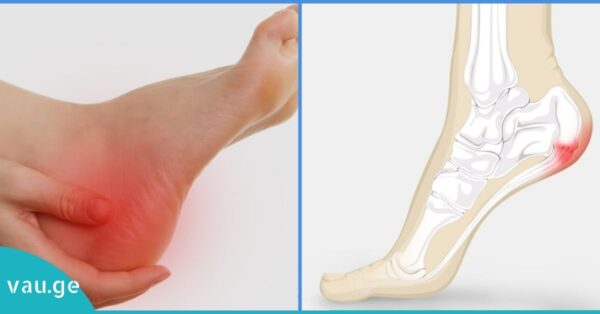
Heel pain is a common problem that can affect anyone, from active people who spend long hours on their feet to those who sit most of the day. The discomfort usually appears under the heel or behind it, and although it’s rarely a symptom of a serious illness, it can make everyday activities, walking, or exercising very uncomfortable. Fortunately, there are several natural remedies and lifestyle tips that can help ease the pain, reduce inflammation, and promote healing.
What Causes Heel Pain?
Heel pain can be triggered by different medical conditions or everyday strain. Some common causes include bursitis, osteomyelitis, Paget’s disease of bone, peripheral neuropathy, plantar fasciitis, reactive arthritis, rheumatoid arthritis, sarcoidosis, stress fractures, or gout.
In most cases, heel pain results from overuse, poor footwear, or repetitive stress. When the tissues and tendons in the heel are constantly under pressure, tiny injuries appear that lead to inflammation and pain.
Below are ten effective natural remedies you can try at home to reduce heel pain and restore comfort.
1. Ice Compress
Applying ice to the heel is one of the simplest and most effective ways to relieve pain. The cold temperature helps numb the area, reduce swelling, and control inflammation.
To do this, wrap some ice cubes in a thin towel and gently press it against your heel for 15 minutes. Repeat the process two to three times a day.
⚠️ Important: never apply ice directly to the skin, as this may cause frostbite or skin irritation. Regular use can noticeably ease the pain and speed up recovery.
2. Gentle Massage
Massage is another simple yet powerful natural method to soothe heel pain. While it may not solve the underlying cause permanently, it provides immediate comfort and relaxation.
Massaging the heel and the surrounding muscles improves blood circulation, reduces stiffness, and eases tension.
Warm a few drops of oil (such as olive or coconut oil) and gently massage your heel for 10 minutes. Repeat several times a day, especially before bed, to promote healing and relaxation.
3. Stretching Exercises
Heel pain is often linked to tight calf muscles or strained tendons. Regular stretching exercises can greatly reduce pain and improve flexibility.
One of the best stretches is the “wall stretch.”
Stand barefoot in front of a wall, place both hands on it, and step one leg back. Keep the back leg straight and slowly bend the front knee until you feel a gentle stretch in your calf and heel. Hold for 30 seconds, switch legs, and repeat 10 times on each side.
These exercises not only ease pain but also strengthen your foot muscles and prevent future problems.
4. Epsom Salt Soak
Epsom salt, or magnesium sulfate, is a natural mineral compound that helps relax muscles and reduce inflammation.
Mix 3 tablespoons of Epsom salt in a basin of warm water. Soak your feet for 15–20 minutes, then dry them gently and apply a moisturizer or soothing cream.
This simple home treatment can instantly relieve tension and pain, especially after long hours of standing or walking.
5. Turmeric Milk
Turmeric is one of the best-known natural anti-inflammatory remedies. It contains curcumin, a compound that helps reduce pain and swelling.
To prepare, heat one cup of milk in a saucepan and add one teaspoon of turmeric powder. Let it simmer on low heat for five minutes, then add a little honey for taste. Drink this golden milk two or three times a day.
Regular use may reduce chronic pain and improve your body’s resistance to inflammation.
6. Fish Oil Supplements
If your heel pain is caused by arthritis or inflammation, fish oil can be very helpful. It contains omega-3 fatty acids (EPA and DHA), which reduce inflammation in joints and muscles.
Take 3 grams of fish oil, containing at least 30% EPA/DHA, up to three times daily or as recommended by a healthcare professional.
Omega-3s also support heart health, reduce stiffness, and improve mobility.
7. Ginger Therapy
Ginger is another powerful natural healer. Its anti-inflammatory and pain-relieving properties help relax muscles and reduce swelling.
You can drink ginger tea three times daily or simply add fresh ginger to your meals.
To use it topically, warm a little ginger oil and gently massage the painful heel for a few minutes. Repeat several times a day to enhance blood flow and relieve discomfort.
8. Apple Cider Vinegar Compress
Apple cider vinegar (ACV) is known for its antioxidant and anti-inflammatory properties. It helps balance the body’s pH levels and relieve muscle and joint pain.
Mix 1¼ cups of water with ¼ cup of apple cider vinegar and warm the mixture slightly. Soak a clean cloth in it, squeeze out the excess liquid, and place it on the painful heel. Cover it with a dry towel to retain warmth.
Keep it for 15–20 minutes, then remove. Repeat two or three times a day. This method soothes soreness and improves circulation.
9. Cayenne Pepper
Cayenne pepper contains capsaicin, a compound with natural pain-relieving properties. It blocks pain signals sent to the brain, providing a warming, soothing effect.
Mix one tablespoon of cayenne pepper powder with ¼ cup of warm olive oil. Apply this mixture to the affected area and leave it for 15 minutes, then rinse with warm water.
Alternatively, you can use creams that contain capsaicin, available in most pharmacies, for quick and lasting relief.
10. Healthy Diet and Hydration
Diet plays a major role in managing inflammation and pain. A well-balanced, alkaline diet helps maintain the body’s proper pH level and reduces internal inflammation.
Add more fresh fruits and vegetables to your meals, and limit foods that cause acidity — such as refined sugar, processed foods, caffeine, alcohol, and excess animal fat.
Drink plenty of water and green tea (3–4 cups daily) to flush toxins and support joint health.
Try drinking a glass of water mixed with half a lemon’s juice every morning to increase alkalinity.
Use pink Himalayan salt instead of regular table salt — it contains beneficial minerals that promote muscle recovery.
Avoid excessive dairy and calcium-rich foods if you suffer from chronic inflammation, as they can sometimes worsen stiffness.
Final Thoughts
Heel pain can interfere with daily life, but it doesn’t always require medication or invasive treatment. By combining home remedies, gentle stretching, and a balanced diet, most people can experience significant relief within a few days or weeks.
Consistency is key — repeat these methods regularly and wear comfortable, supportive shoes.
If the pain persists for more than a few weeks, it’s best to consult a healthcare professional to rule out more serious underlying causes.
Taking care of your feet is a vital part of maintaining your overall health.
With patience, natural remedies, and a few simple lifestyle changes, you can relieve heel pain naturally and get back to walking comfortably again.








































