













Homemade Yogurt: An Extraordinary Taste and Incredible Benefits
Why Making Yogurt at Home Is Simpler Than You Think
Yogurt is one of the world’s oldest and most beloved foods. For centuries, people across different cultures have cherished it not only for its refreshing taste but also for its exceptional health benefits. Today, yogurt can be found in every supermarket aisle, packaged in colorful containers and marketed in countless varieties—Greek, drinkable, flavored, sugar-free, and so on. Yet, despite its popularity, there is a growing concern: store-bought yogurt often contains more than just milk and cultures. Many commercial brands add sugar, preservatives, thickeners, artificial flavors, or stabilizers that reduce its natural value.
This is where homemade yogurt shines. Creating your own yogurt is surprisingly easy, inexpensive, and incredibly rewarding. You do not need a professional yogurt maker or expensive equipment; a simple pot, jars, and a warm environment are enough. By preparing yogurt yourself, you maintain full control over the ingredients, ensuring the final product is natural, clean, and wholesome.
In this article, we will dive deeply into the art and science of homemade yogurt. We will examine its nutritional value, probiotic potential, and therapeutic role in health, as well as provide a step-by-step recipe, troubleshooting advice, creative flavoring tips, and cultural insights. By the end, you will not only understand how to make yogurt but also why this ancient food deserves a central place in your kitchen.
1. The Origins and History of Yogurt
Yogurt has a fascinating history that stretches back thousands of years. While the exact origins are debated, it is widely believed that yogurt was discovered accidentally in Central Asia around 5,000–6,000 years ago. Nomadic tribes carried milk in animal-skin pouches while traveling under the hot sun. Naturally occurring bacteria in the animal skins fermented the milk, turning it into a thick, tangy product that lasted longer than fresh milk.
From there, yogurt spread to the Middle East, Eastern Europe, and eventually across the world. Ancient Persians and Turks considered it a gift of the gods, while in India, it became part of Ayurvedic medicine. In Bulgaria and the Balkans, yogurt has long been a staple food, often praised for its contribution to the region’s high number of centenarians. In fact, the Nobel Prize-winning scientist Ilya Mechnikov linked the longevity of Bulgarian peasants to their regular yogurt consumption, attributing it to the beneficial Lactobacillus bulgaricus bacteria found in their traditional yogurt.
Today, yogurt remains a global food, but unfortunately, industrial production has altered it. Store yogurts may have lost much of the live bacterial activity that made yogurt so healing in the first place. Thus, returning to homemade yogurt allows us to reconnect with tradition, taste, and health benefits.
2. Nutritional Profile of Yogurt
Yogurt is far more than a tasty snack—it is a nutritional powerhouse. Its health benefits come from a unique combination of proteins, fats, vitamins, minerals, and probiotics.
Key Nutritional Elements in Yogurt:
High-quality protein: Yogurt contains casein and whey, two forms of complete protein essential for muscle repair and growth.
Calcium: A single serving provides nearly half of the recommended daily intake, supporting strong bones and teeth.
Vitamin B complex: Yogurt is rich in B2 (riboflavin), B12, and folate, all critical for energy production and neurological health.
Vitamin D (if fortified): Helps calcium absorption and strengthens immunity.
Probiotics: Beneficial bacteria such as Lactobacillus acidophilus and Bifidobacterium improve gut flora and digestion.
Healthy fats: Depending on the milk type, yogurt can provide valuable medium-chain fatty acids and conjugated linoleic acid (CLA).
Unlike raw milk, yogurt is easier to digest because lactose is broken down during fermentation. This makes it suitable for many people who are lactose intolerant.
3. Why Homemade Yogurt Is Superior to Store-Bought
No unnecessary additives – You choose whether to add sugar, flavoring, or thickeners.
Stronger probiotic activity – Homemade yogurt tends to contain more live cultures since it is not pasteurized after fermentation.
Customizable texture and flavor – Thick, creamy, or drinkable—you decide.
Cost-effective – A few liters of milk can provide multiple jars of yogurt at a fraction of the supermarket price.
Sustainable living – You reduce packaging waste by reusing jars.
4. Step-by-Step Homemade Yogurt Recipe
You can prepare two versions of homemade yogurt:
A thick, creamy yogurt using cream or whole milk.
A lighter, drinkable yogurt using standard milk.
Ingredients
Fresh cow’s milk (3.2%–6% fat) or cream for thicker consistency.
1–2 tablespoons of plain yogurt or sour cream (starter culture).
Optional: butter, sugar, or honey for flavoring.
Method
Step 1: Heat the milk
Pour the milk into a pot. Heat gently until it reaches 30–35°C (warm to touch). If you are using raw or pasteurized milk, bring it to a boil first, then cool it down to the desired temperature.
Step 2: Add the starter culture
Stir in the sour cream or yogurt starter. For 1 liter of milk, about 1 tablespoon is enough. Do not whisk too vigorously; a gentle mix is sufficient.
Step 3: Pour into jars
Transfer the milk mixture into clean glass jars. You can repeat the same steps with cream if making thicker yogurt.
Step 4: Create a warm environment
Place the jars in a larger pot filled with hot water up to their “shoulders.” The water should be hot but not boiling. Cover the pot with a lid and wrap it in a towel to maintain warmth.
Step 5: Fermentation time
Leave the jars undisturbed for 6–8 hours. Overnight is perfect. Do not move or shake them. After this time, the yogurt will have set.
Step 6: Cooling and storage
Transfer the jars to the refrigerator immediately. This stops fermentation and stabilizes the texture. Yogurt will thicken further as it chills.
5. Pro Tips and Small Tricks
Higher-fat milk makes richer yogurt.
Small jars ferment faster than large ones.
Add sugar before fermentation for naturally sweet yogurt.
Do not use old or expired sour cream as a starter. Fresh cultures work best.
Do not exceed 8 hours of fermentation; over-fermented yogurt becomes sour and unpleasant.
Store finished yogurt in the fridge for 3–4 days.
6. Flavoring and Creative Variations
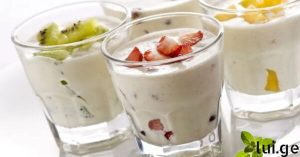
Homemade yogurt is a blank canvas. Once the base is ready, you can flavor it naturally:
Fruit and berries: Blueberries, strawberries, peaches, bananas.
Nuts and seeds: Walnuts, almonds, flaxseed, chia.
Sweeteners: Honey, maple syrup, date paste.
Spices: Cinnamon, vanilla, cardamom.
Savory twists: Cucumber, garlic, dill (for dips like Greek tzatziki).
7. Health Benefits of Homemade Yogurt
Improved digestion – Probiotics restore healthy gut bacteria.
Boosted immunity – Strengthens the body’s defense mechanisms.
Weight management – High protein and satiety value.
Skin health – Calcium and vitamins support collagen production.
Bone strength – Prevents osteoporosis.
Heart protection – Healthy fats and balanced cholesterol effects.
8. Troubleshooting Common Issues
Too runny? Starter culture was weak or fermentation too short.
Too sour? Fermented too long.
Grainy texture? Milk overheated or culture added to too-hot milk.
No fermentation? Starter bacteria were dead (use fresher yogurt).
9. Yogurt Around the World
Greek Yogurt – Thick, strained, high-protein.
Indian Dahi – Used in curries and lassi drinks.
Turkish Ayran – A salty, drinkable yogurt beverage.
Middle Eastern Labneh – Yogurt strained into a cheese-like spread.
Scandinavian Filmjölk – A drinkable sour yogurt.
10. Why Yogurt Belongs in Your Daily Diet
Eating homemade yogurt daily can transform your health. Just one cup provides essential nutrients, beneficial bacteria, and culinary versatility. Whether for breakfast with fruit, as a savory dip, or as part of a smoothie, yogurt is an all-in-one food that supports longevity and vitality.
✅ Final Thought: Making yogurt at home is not just about food—it’s about reclaiming health, tradition, and independence from processed industry products. It connects you to an ancient practice and rewards you with nutrition that is both delicious and healing.