














I often wonder why people start taking care of their health only after they become ill, and why they do not try to preserve it beforehand. This question seems especially relevant today, when stress, poor nutrition, lack of movement, and constant fatigue have become part of everyday life. Many people ignore early warning signs from the body, hoping that tiredness, weakness, or discomfort will simply pass on their own.

Most of us would probably agree that treating damaged or weakened health is far more difficult, time-consuming, and expensive than maintaining it in the first place. Prevention is always easier than cure, yet it is often overlooked. We tend to appreciate our health only when something goes wrong.
In springtime in particular, many people complain of lethargy, constant tiredness, lack of energy, and excessive sleepiness. Seasonal changes, vitamin deficiencies, and a weakened immune system after winter can all contribute to this condition. However, this state can often be prevented or at least alleviated with the help of natural remedies. One such remedy, long known in folk medicine, is barley.
For centuries, traditional medicine has used barley infusions to help restore strength and vitality after illness. Barley has been valued not only as a food product but also as a natural means of supporting the body during recovery. Its mild yet nourishing properties make it suitable for regular use, especially when the body needs gentle support rather than aggressive stimulation.
Barley coffee is made from roasted barley grains and is considered a healthy alternative to regular coffee. Unlike traditional coffee, it does not contain caffeine, which makes it suitable for people who are sensitive to stimulants, suffer from insomnia, high blood pressure, or anxiety, or simply wish to reduce their caffeine intake.
Barley grains themselves possess many beneficial properties. They are known to support kidney function and aid in the treatment of digestive system disorders. In folk medicine, barley-based drinks were often recommended for soothing the stomach, improving digestion, and supporting overall metabolism. Barley is also sometimes mentioned in traditional practices related to supporting glandular health.
Barley is rich in proteins and carbohydrates, providing the body with sustained energy. In addition, it is one of the champions when it comes to fiber content. Dietary fiber plays a crucial role in digestive health, helping regulate bowel movements, reduce cholesterol absorption, and maintain a healthy gut environment.
Barley grains, and therefore barley coffee, contain a wide range of essential vitamins and minerals, including vitamins A, E, B-complex, and D, as well as potassium, phosphorus, calcium, magnesium, and iodine. This impressive nutritional profile explains why barley coffee, even if not considered a medicinal product in the strict sense, is undoubtedly a very beneficial beverage.
In short, barley coffee can be described as a nourishing, gentle, and health-supporting drink that fits well into a balanced lifestyle.
Here are just a few examples of the beneficial effects of barley coffee on the body:
It helps normalize the nervous system, promoting calmness and emotional balance.
It supports and strengthens the cardiovascular system.
It improves the functioning of the digestive system and helps regulate metabolism.
It contributes to the normalization of hormonal balance.
It supports hematopoiesis, the process of blood formation.
With daily use, barley coffee is not addictive and does not harm health. Thanks to its mild tonic effect, this drink can gently increase energy levels without overstimulating the nervous system. It is also believed to support weight loss by improving digestion and reducing cravings for sugary or overly stimulating drinks. In other words, regular consumption offers many benefits and poses no harm when used sensibly.
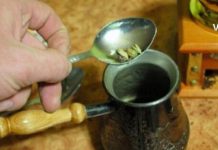
Personally, I start every morning with a barley infusion. This ritual has become an important part of my daily routine, helping me wake up gently and feel energized without nervous tension.
To prepare this infusion, take equal amounts of barley grains, chicory root, and acorns. If available, you can also add rye and oats, but in an amount less than half of the main mixture. Each of these ingredients brings its own benefits: chicory supports digestion and liver function, acorns have been traditionally used for their strengthening properties, and grains like rye and oats add additional nutrients.
Grind all the ingredients and mix them thoroughly. Take 2–3 teaspoons of the mixture, pour one cup of boiling water over it, and boil until foam appears on the surface. This decoction can be consumed 2–3 times a day. According to folk wisdom, it helps protect the body from vitamin deficiency and supports overall vitality.
I would also like to share another, equally beneficial decoction recipe based on barley:
Take half a cup of ground barley and pour 2 liters of water over it. Boil the mixture over low heat for approximately 2.5 hours. Slow cooking allows the beneficial substances in barley to gradually release into the water, creating a rich and nourishing decoction.
After boiling, strain the liquid and bring it to a brief boil again. Add 2 tablespoons of rosemary leaves. If rosemary is not available, you may substitute it with mint, lemon balm, blackcurrant leaves, raspberry leaves, or strawberry leaves. Each of these herbs adds its own unique aroma and additional health-supporting properties.
Wrap the container and let the mixture steep for about 30 minutes. Then strain it once more. This infusion should be consumed daily, up to three glasses per day. In the morning, you may add 30 drops of ginseng tincture to the drink, which is traditionally used to enhance energy, endurance, and mental clarity.
This combination is believed to be particularly effective for combating fatigue, strengthening the immune system, and supporting the body during periods of increased physical or mental stress.
Barley coffee and barley-based infusions are excellent examples of how simple, natural ingredients can be used to support health in a gentle yet effective way. They remind us that taking care of our bodies does not always require expensive supplements or complex treatments. Sometimes, the most powerful solutions are those that have been known for centuries.
By incorporating such natural drinks into daily life, we take a step toward preventive health care. Health truly needs attention before it begins to fail. Listening to the body, supporting it with nourishing foods and drinks, and respecting natural rhythms can help us maintain strength, balance, and well-being for years to come.