












Plants are widely used in cosmetics due to the biologically active substances they contain. When applied to the skin, these substances participate in the metabolic processes that occur within it and provide a range of beneficial effects, including strong antiseptic, anti-inflammatory, antimicrobial, soothing, toning, and softening properties. Such effects make plant-based ingredients highly valued in skincare, helping the skin maintain its health, radiance, and resilience.
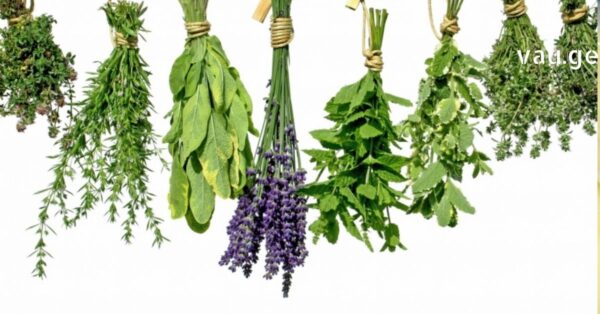
Carbohydrates, for example, play an important role in nourishing the skin. They help retain moisture within skin cells and protect the skin from drying out and forming wrinkles. By supporting proper hydration, carbohydrates ensure that the skin remains elastic, smooth, and youthful in appearance.
Organic acids, such as those found in apples, lemons, wine, or vinegar, also have a significant impact on skin metabolism. They help activate enzymatic processes, improving the skin’s natural ability to regenerate and maintain its protective barrier. By gently exfoliating and stimulating cell renewal, these acids contribute to a fresher, more radiant complexion.
Essential oils are another major group of plant-based compounds frequently used in cosmetic and therapeutic applications. They possess bactericidal, anti-inflammatory, wound-healing, and regenerative properties. Because of their aromatic qualities, essential oils are also widely incorporated into perfumery and aromatherapy. Essential oils are particularly abundant in plants such as mint, sage, thyme, rose, violet, and chamomile. These oils improve skin nutrition, enhance blood circulation in the skin, and are also beneficial when applied to hair, promoting healthy growth and shine.
Vegetable oils—including almond, olive, corn, sunflower, and others—provide additional protective benefits for the skin. They prevent drying, smooth rough areas, soften the skin, restore suppleness, and shield it from environmental stressors such as dust, heat, cold, and other harmful external factors. By forming a light protective barrier on the skin, these oils help maintain moisture balance and prevent irritation, making them essential components of many skincare products.
Flowers such as rose, marigold, chamomile, orchid, and lily are not only visually appealing but also play a significant role in skin health. The inclusion of flowers in cosmetics is not just about fragrance; they also positively influence skin condition through their bioactive compounds. For example, certain floral extracts help reduce inflammation, calm irritated areas, and improve overall skin tone. Women can use these plants in home skincare routines to help their face achieve a soft, glowing, and youthful appearance, akin to the beauty of a flower.
Here are several specific examples of flowers and plants commonly used in cosmetic applications, along with their benefits and methods of use:
Chamomile (Matricaria chamomilla) – Chamomile has strong anti-inflammatory and soothing effects. It is often used to reduce redness, calm irritated skin, and relieve puffiness around the eyes. To use chamomile at home, place a few chamomile flowers in boiling water, allow them to steep briefly, and then apply the infusion as a compress to the face. This treatment is particularly effective for sensitive skin and helps reduce the signs of fatigue.
Vervain (Verbena) – Vervain is known for its ability to soften rough skin. Finely chop fresh vervain and apply it in a thin layer to the face. Its natural compounds penetrate the skin to hydrate and rejuvenate, promoting a smoother and more supple texture.
Grape (Vitis vinifera) – Grapes contain antioxidants that help reduce wrinkles and signs of aging. To prepare a simple grape treatment, lightly crush the grapes to release the juice and gently apply it to the face. Leave the juice on the skin for about ten minutes before rinsing. This natural treatment helps maintain elasticity and promotes a youthful glow.
Lemon (Citrus limon) – Lemons are rich in vitamins and minerals and are especially beneficial for oily skin. Lemon juice tightens pores, brightens the skin, and helps reduce excess oil. It can be applied sparingly to the face, but caution should be taken as lemon is acidic and can cause sensitivity, especially on damaged or very dry skin.
Sea buckthorn (Hippophae rhamnoides) – Sea buckthorn is highly valued for reducing redness and soothing irritated eyelids. Prepare a sea buckthorn tea and use it as a compress for the eyes or affected areas. Its antioxidant properties protect skin cells from damage while promoting healing and hydration.
Wild poppy (Papaver rhoeas) – Wild poppy softens dry skin and helps prevent the formation of wrinkles. Place a handful of poppy petals in water and allow them to steep for a few minutes. Use this water as a facial rinse both in the morning and evening to maintain softness and hydration.
Rose (Rosa) – Rose petals contain natural oils that help improve skin tone and firmness. To use rose for facial care, place fresh petals in boiling water and allow the steam to rise to your face, or use the infused water as a gentle rinse. The aromatic compounds also provide a calming effect and help reduce stress, which can contribute to healthier-looking skin.
These floral and plant-based treatments highlight how natural ingredients can play a dual role in cosmetics: providing aesthetic benefits while simultaneously supporting the skin’s health. They are gentle, effective, and can often be incorporated into home routines without the need for expensive products or complicated procedures.
Using plants and flowers in cosmetics is not only about achieving immediate visual improvements but also about long-term skin care. Regular application of herbal infusions, essential oils, and floral waters helps maintain the skin’s natural balance, protects it from environmental stressors, and supports its natural regenerative processes. The combination of hydration, nutrients, and bioactive compounds contributes to a radiant, smooth, and youthful complexion.
Furthermore, these natural remedies often have minimal side effects compared to synthetic cosmetics, making them suitable for sensitive and mature skin. For example, chamomile and rose are known for their gentle and soothing properties, while lemon and grape provide natural exfoliation and antioxidant effects. By incorporating a variety of plants and flowers into daily skincare routines, individuals can target multiple skin concerns, from dryness and redness to wrinkles and dullness, using safe and accessible natural solutions.
In addition to topical applications, many of these plants can be used in facial steam treatments, masks, and compresses. The combination of heat, moisture, and bioactive compounds enhances the penetration of nutrients into the skin, allowing for more effective results. Aromatherapy also plays a role, as the scent of flowers and herbs can have psychological benefits, reducing stress and promoting overall well-being, which in turn contributes to healthier skin.
In conclusion, the use of plants and flowers in cosmetics goes far beyond their aesthetic appeal. Their biologically active components nourish, protect, and rejuvenate the skin. Chamomile, vervain, grape, lemon, sea buckthorn, wild poppy, and rose are just a few examples of natural ingredients that can help women achieve soft, radiant, and youthful skin. By incorporating these botanical remedies into regular skincare routines, one can take advantage of the natural synergy between nutrients, hydration, and gentle exfoliation to maintain a healthy and glowing complexion. These methods demonstrate that effective skincare does not always require expensive products—nature itself provides a wealth of resources that can be used safely and effectively in everyday cosmetic practice.